

Harmonious cohabitation between different road users is essential to ensure safety for all. Among these users, buses and trolleybuses occupy a special place due to their size and their public transport function. Understanding the right-of-way rules for these vehicles is therefore essential for all drivers.
Bus behavior
In built-up areas
In built-up areas, any driver following in the same direction as a bus or trolleybus must give way to them as soon as the driver has indicated his intention to leave his stopping point by operating his turn signal. This means slowing down and stopping if necessary. Outside built-up areas, buses and trolleybuses do not have priority when leaving their stops.
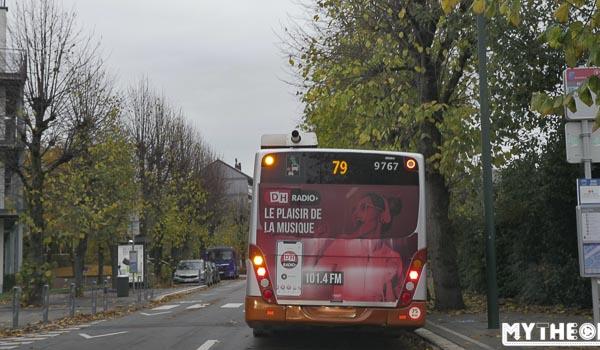
In short, it’s important to remember this fundamental difference: in built-up areas, buses and trolleybuses have priority when leaving their stops, whereas outside built-up areas, this rule does not apply. This distinction is designed to facilitate the circulation of public transport in denser urban areas, thus contributing to better traffic flow and compliance with public transport timetables.
