

Lights and indicator lamps are essential for safety and visibility on the road. Not only do they illuminate the roadway in different conditions, they also inform the driver of the vehicle’s operation and indicate its intentions to other road users.
Lights and indicators
Low-beam headlights (front)
Low beams should be switched on between dusk and dawn, at night, in tunnels, under bridges or when it’s raining. They are also necessary when it is no longer possible to see clearly at a distance of around 200 m.

High beam (front)
High beams must be switched on when the lighting does not allow a clear view at a distance of about 100 m. They must be switched off and replaced by low beams when approaching oncoming traffic (pedestrians or drivers). They must be switched off and replaced by low beam when approaching an oncoming user (pedestrian or driver), when a driver is making headlight calls, when following a vehicle at less than 50 m (unless overtaking), or when the lighting allows you to see clearly at about 100 m.

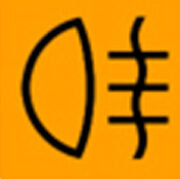
Front fog lamps
Front fog lights can be switched on (but are not compulsory) in fog, snow or heavy rain. They can replace low-beam or high-beam headlamps, or be switched on simultaneously.

Daytime running lights (rear)
In fog, snow or heavy rain, both front and rear daytime running lights can be used.
Turn signals
Any driver wishing to perform a manoeuvre must indicate this by operating his turn signals.

Lights on stationary or parked vehicles in front
Stopped or parked motor vehicles, except two-wheeled mopeds, must signal between dusk and dawn with one or two daytime running lights. In fog, snow or heavy rain, both front and rear daytime running lights may be used.

Lights on stationary or parked vehicles to the rear
Stopped or parked motor vehicles must signal with one or two red rear lights. In case of fog, snowfall or heavy rain, rear daytime running lights can be used.

Anti-lock braking system (ABS) malfunction
The ABS no longer works. You need to go to the garage as soon as possible to have your vehicle checked.

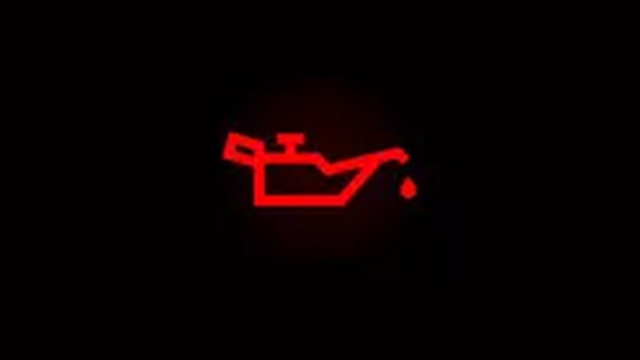
Abnormal engine fluid pressure
Stop, switch off the engine and check the oil level. Add oil if necessary. In the event of oil loss, visit your garage as soon as possible.
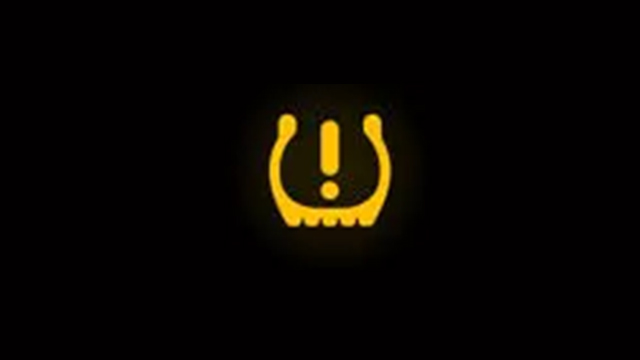
Abnormal tire pressure
Tire pressure is below the level specified by the manufacturer. Avoid sudden changes of direction and braking. In the event of a puncture, inflate or change the tire.
Airbag malfunction
We need to go to the garage to fix the problem.

Mastering the use of lights and reading warning lights is essential for safe driving and compliance with the Highway Code. In the event of a malfunction, it’s important to act quickly to ensure everyone’s safety.
