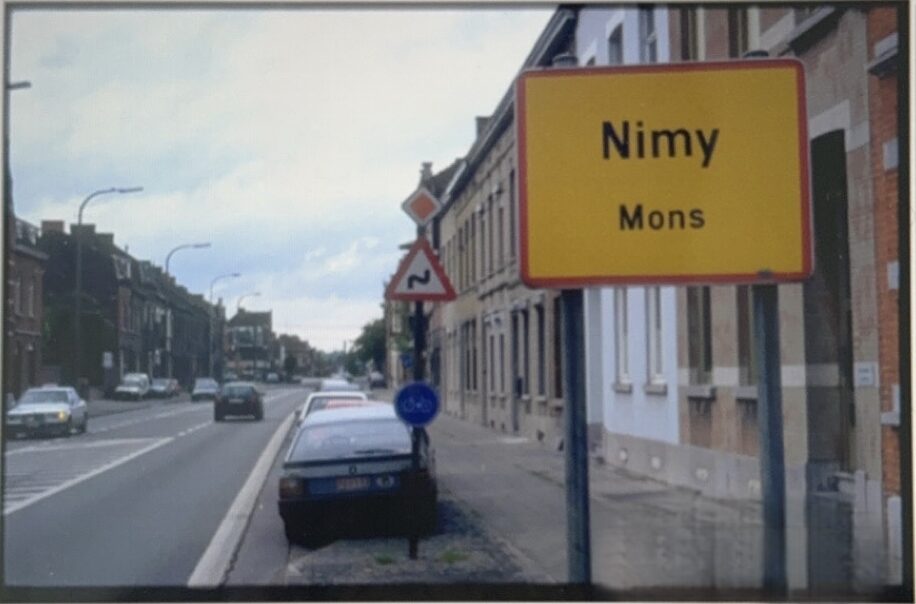
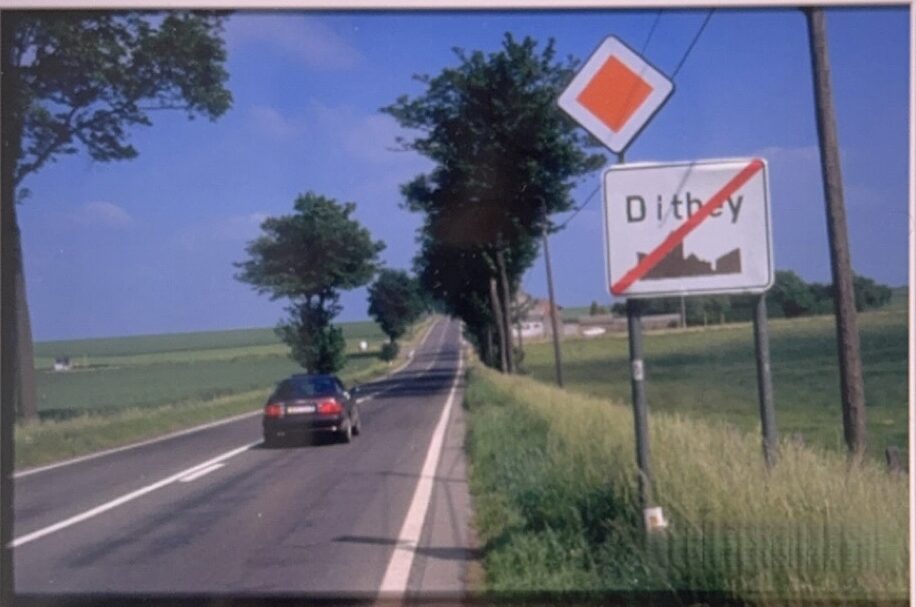
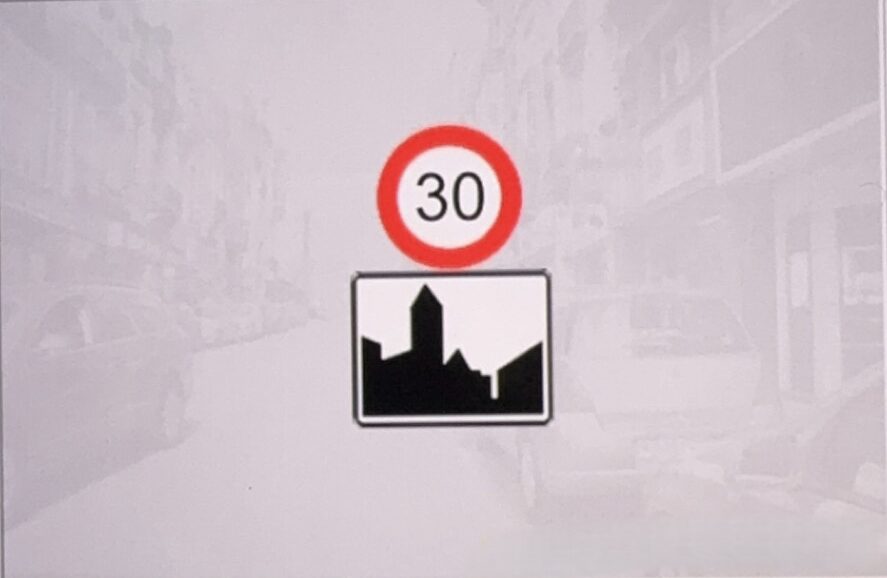
Wallonia. From the signal, my speed is limited to…
Explanation: The sign indicates the entrance to a built-up area. In Wallonia and Flanders, the speed limit is 50 km/h, unless otherwise indicated. Tip: 🏘️ “Built-up area = 50 km/h.” Except in Brussels, where it’s 30 km/h by default. 🚦
This signal limits my speed to 50 km/h.
Explanation: The orange sign indicates a town, not a built-up area. No specific 50 km/h limit applies here. Tip: 🔶 “Orange = Info, no limit.” Pay attention to the difference between town and built-up area. 🚗
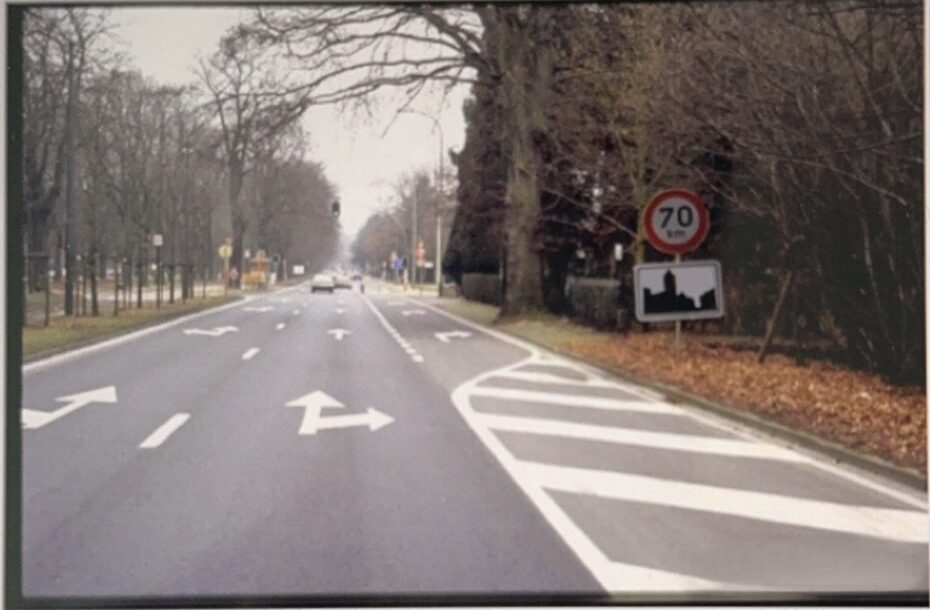
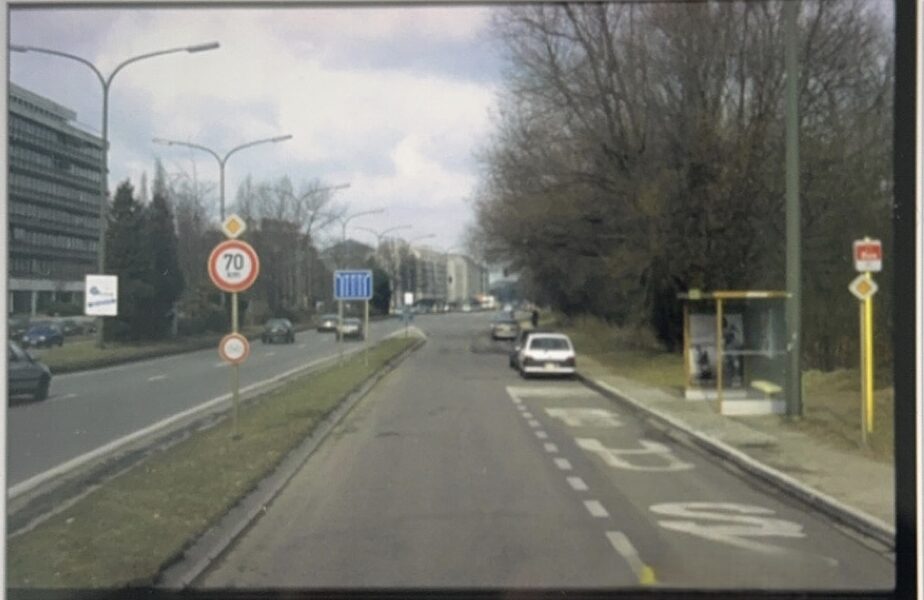
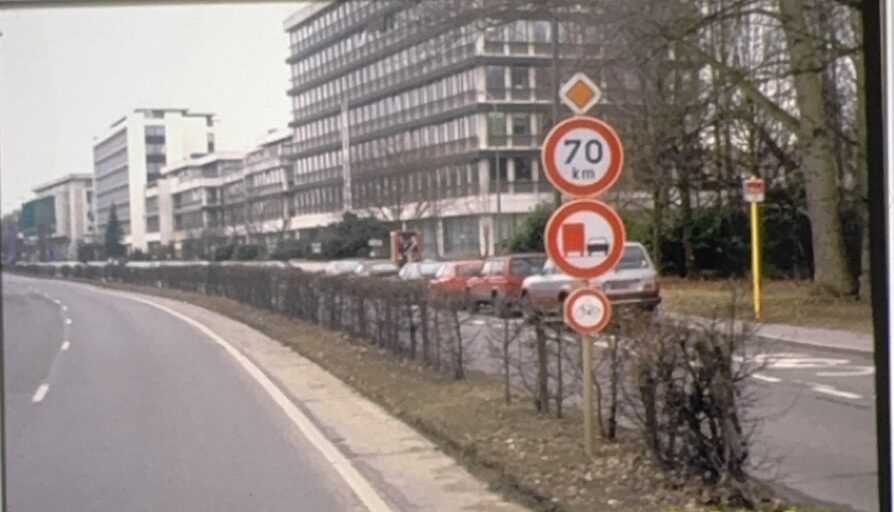
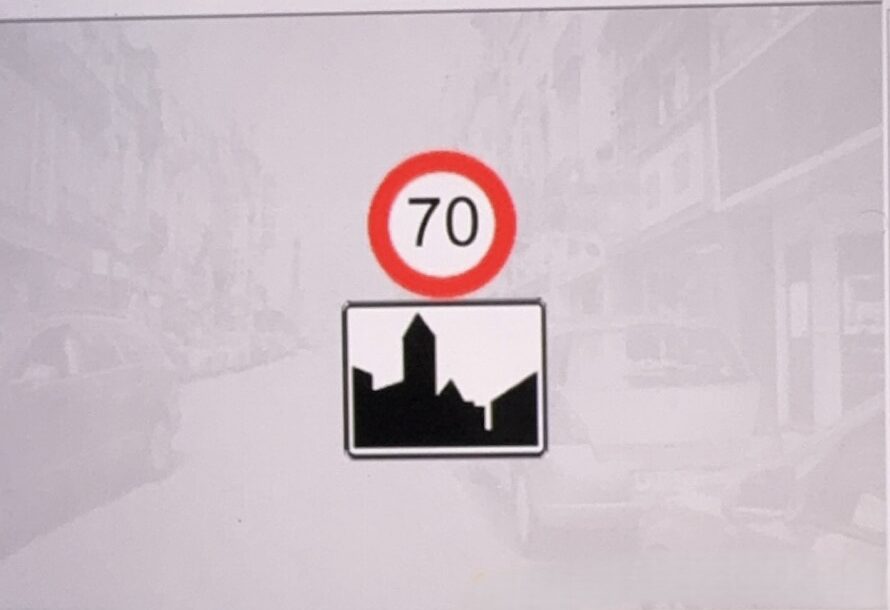
From the signs, my speed is limited to…
Explanation: Even if you enter a built-up area, a speed limit sign (here 70 km/h) applies until the next intersection. Tip: 🚦 “Limit until the next intersection.” Pay careful attention to the signs before slowing down. 👁️
Built-up area. In this area, I can drive at 70 km/h.
Explanation: The 70 km/h sign is placed on a separate (central) carriageway. Your lane is limited to 50 km/h in built-up areas. Tip: ⚠️ “Your lane = Your limit.” Don’t let the signs on other lanes confuse you. 🚗
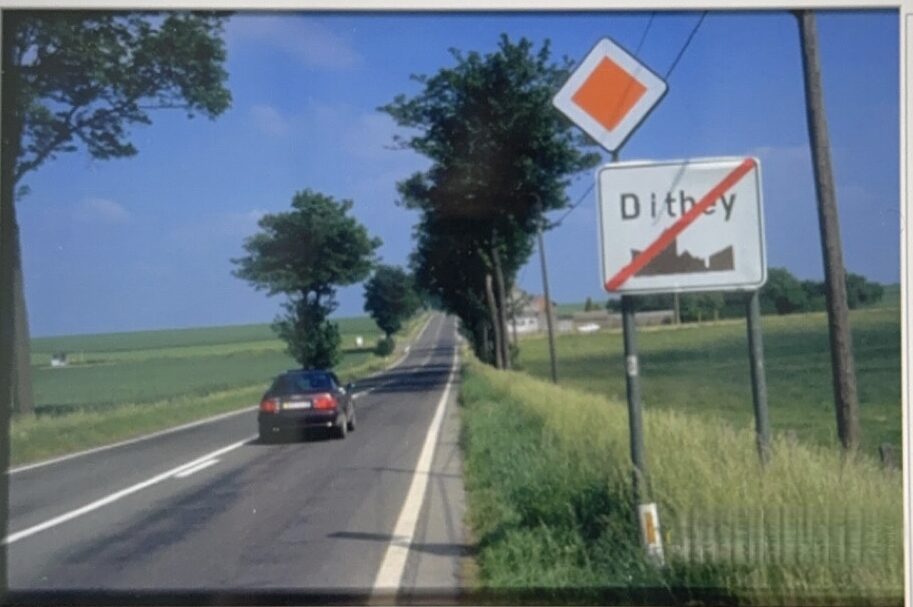
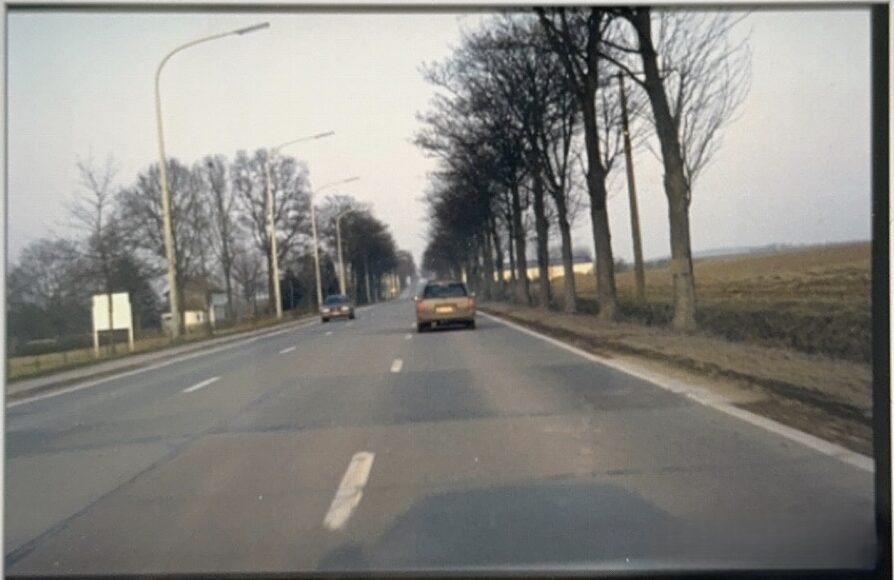
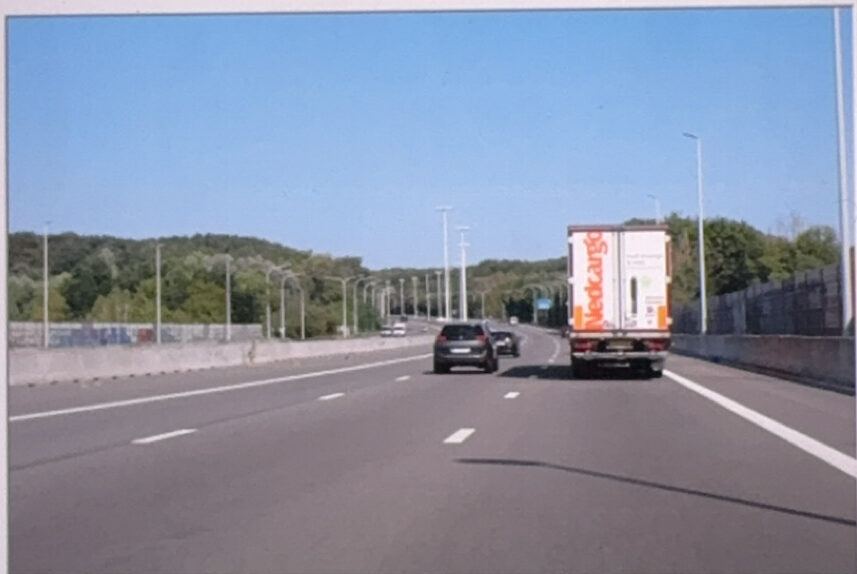
Wallonia. On this public road, outside built-up areas, the speed limit after the signals is set at…
Explanation: Outside built-up areas in Wallonia, the maximum speed is 75 km/h unless otherwise indicated. In Flanders, it is limited to 70 km/h. Tip: 🛣️ “In Wallonia: Outside town = 75 km/h.” Always check the built-up area exit sign. 🚗
Flanders. On this public road, outside built-up areas, the speed limit after the signals is set at…
Explanation: In Flanders, outside built-up areas, the maximum speed is 70 km/h. This is slightly lower than in Wallonia (75 km/h). Tip: 🚗 “Flanders: Outside built-up areas = 70 km/h.” Remember this difference between the regions. 🔄
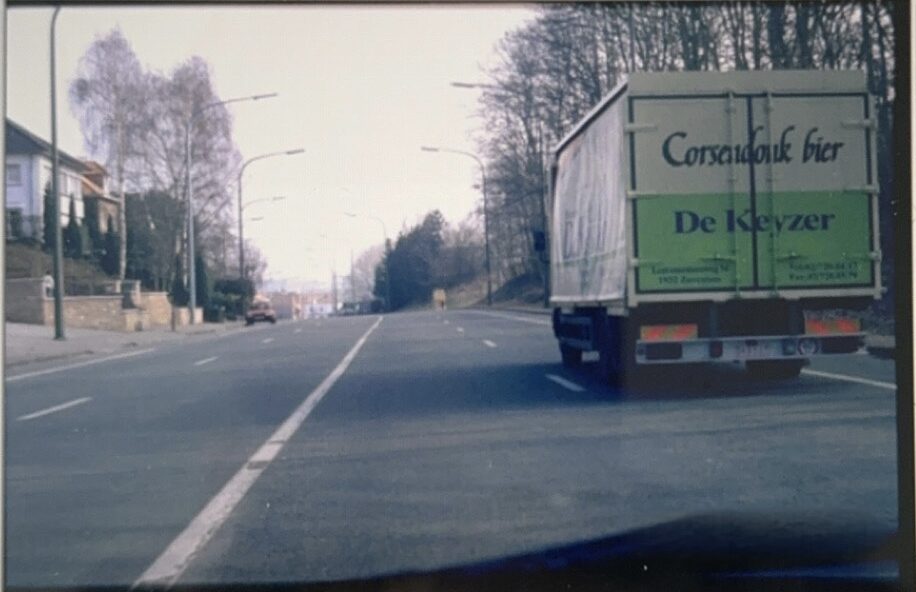
Wallonia. On this public road, outside built-up areas, the speed limit is set at…
Explanation: A public road in Wallonia, outside built-up areas, imposes a speed limit of 75 km/h, unless otherwise indicated or in specific conditions (rain, fog). Tip: 🌦️ “Also monitor weather conditions, they may lower the limit.” ⚠️
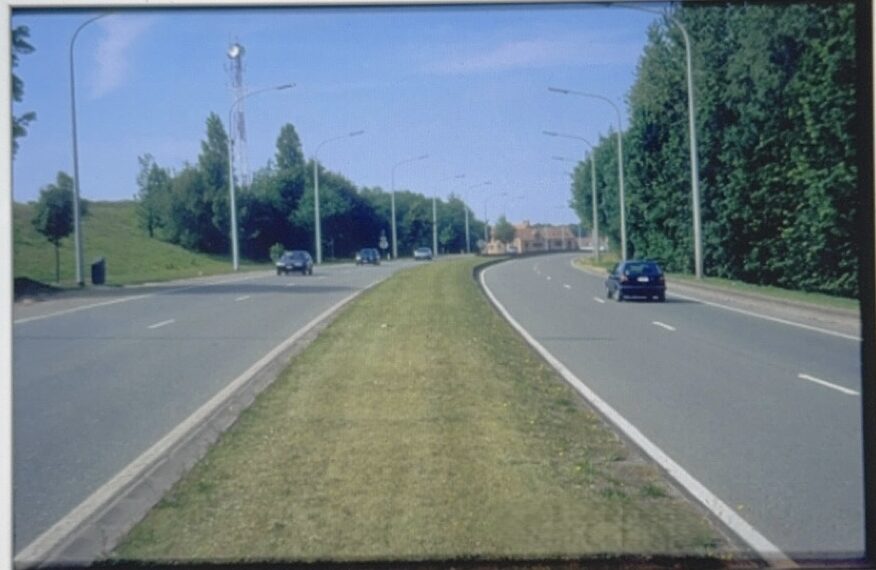
Brussels. On this four-lane public road located outside the city limits, I can drive at…
Explanation: In Brussels, on a road outside built-up areas, the maximum speed is 70 km/h, even with four lanes. This differentiates neighboring regions. Tip: 🚦 “Brussels: 70 everywhere outside the city.” Adapt your driving to the urban density. 🏙️
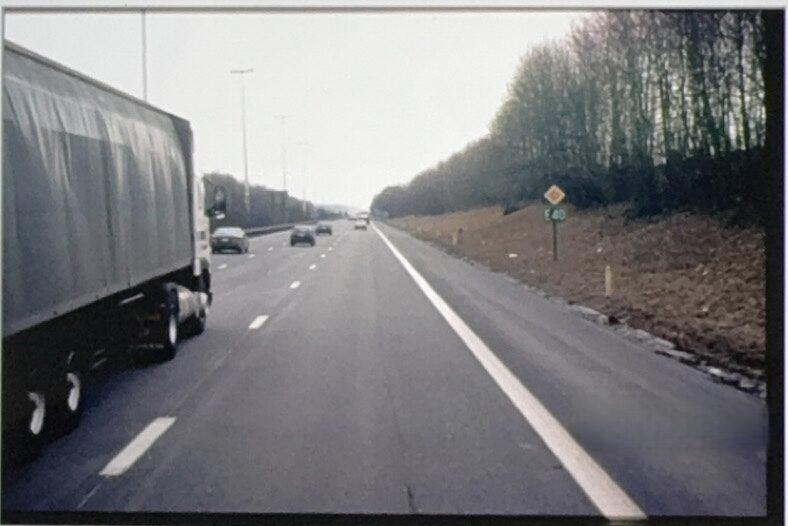
On this public road, outside built-up areas, can I drive at 120 km/h?
Explanation: 🚍 By coach, the maximum authorized speed outside built-up areas is limited to 90 km/h. The speed of 120 km/h is reserved for light vehicles on motorways. Tip: Remember that coaches never exceed 90 km/h outside built-up areas, regardless of the road. 🚫💨
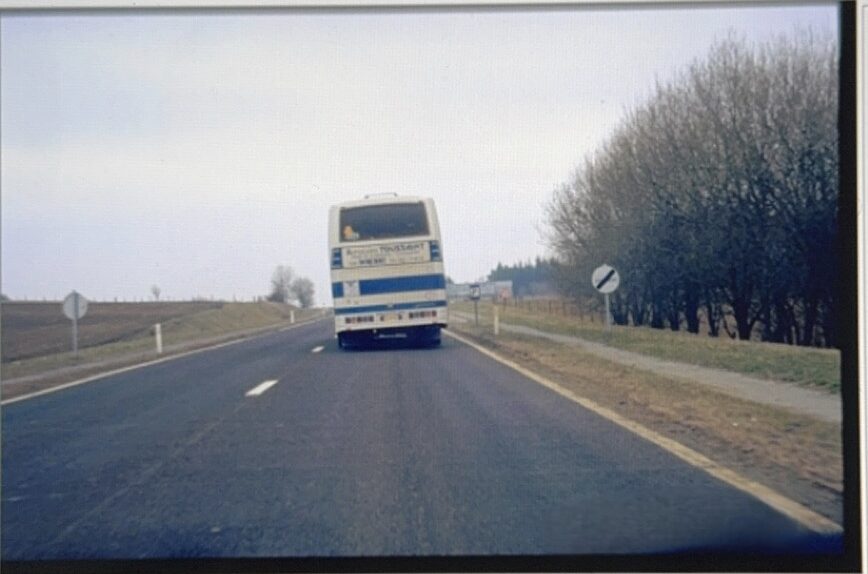
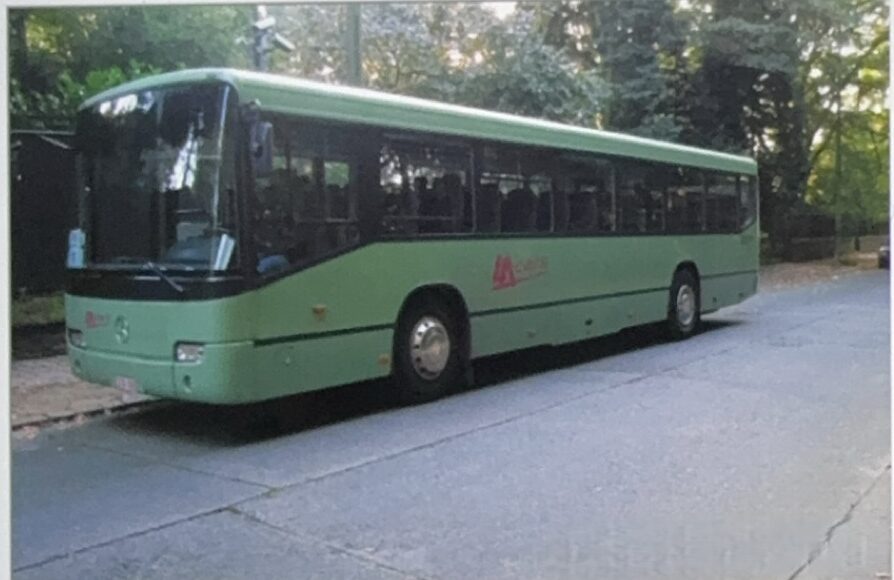
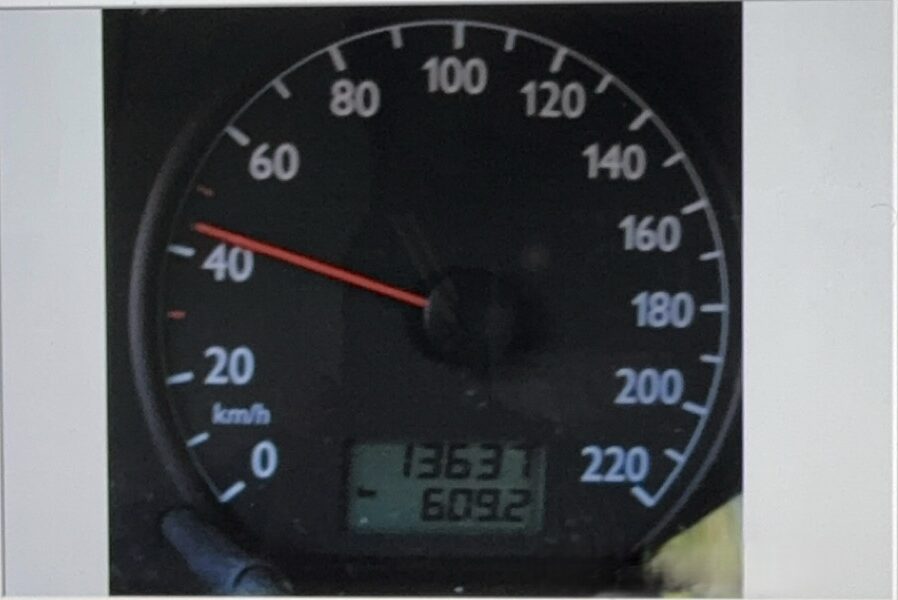
Can I overtake this bus that’s going 75 km/h?
Explanation: 🚍 The speed limit on a dual carriageway is 75 km/h for coaches. Therefore, you cannot overtake a coach traveling at this speed, as it is already within the speed limit. Tip: Only overtake if the vehicle in front is traveling below the speed limit. Otherwise, respect the speed limits for your safety. ⚠️🚦
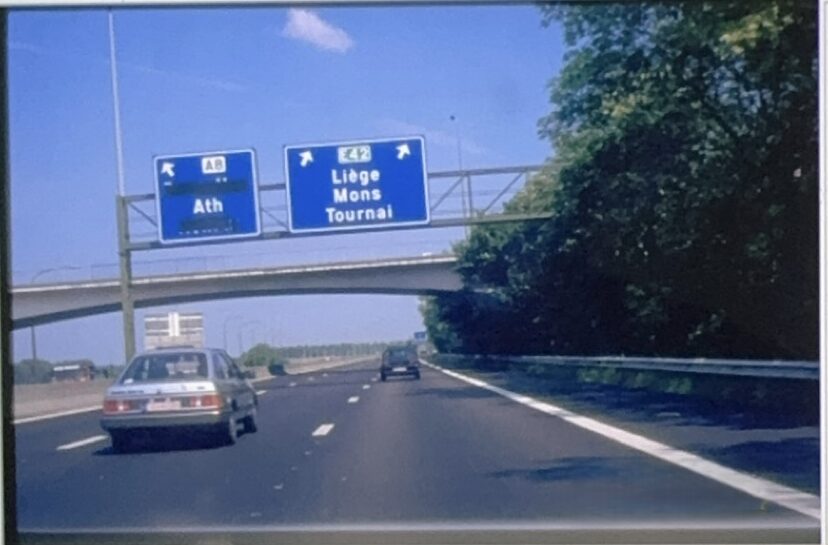
On the highway, my speed is limited to?
Explanation: 🚍 The speed for coaches on motorways is 90 km/h. It can go up to 100 km/h only if all areas are equipped with seat belts. Tip: To remember easily: 90 km/h by default. 100 km/h if passengers are secured by seat belts. 🛣️✅
On the motorway, can I drive at more than 90 km/h?
Explanation: 🚍 If all seats on the coach have seatbelts, you can drive up to 100 km/h on the motorway. Without a seatbelt, the speed limit is 90 km/h. Tip: Always check the safety equipment on your coach to see if the speed limit has increased. 🚦💺
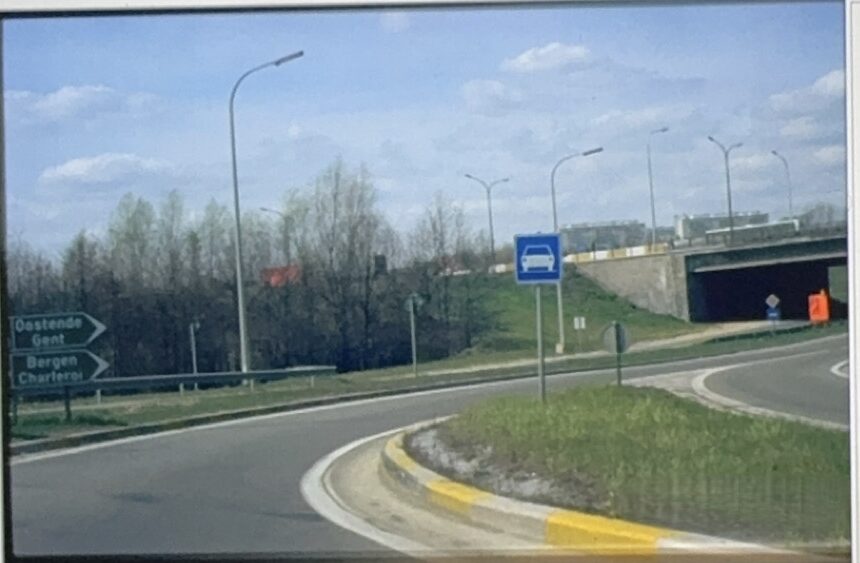
What is the maximum speed on a car route?
Explanation: 🛣️ On a road for cars, the maximum speed varies depending on the region and the presence of a central berth: In Wallonia and Flanders: 🚗 90 km/h if the central berth is large. 🚗 70 km/h if the central berth is small. In Brussels: 🚗 Always 70 km/h, outside built-up areas. Tip: 📏 If a large central berth is present, think about 90 km/h. Otherwise, reduce your speed (70 km/h). Also keep in mind that Brussels has its own more restrictive rules. 😊
On the motorway, I must, under normal circumstances, travel at a minimum speed of
Explanation: 🚗 On motorways, a minimum speed of 70 km/h applies under normal circumstances. ⚠️ Exceptions: If weather conditions or traffic make this speed dangerous (rain, snow, traffic jams, etc.), you can drive slower. Tip: 🌟 Remember this key figure: 70 km/h is the minimum speed required on motorways in Belgium, except in exceptional cases. 🔑 If in doubt, remember the general rule: on motorways, you drive fast but carefully. 😊
On a motor road, I must, under normal circumstances, travel at a minimum speed of 70 km/h
Explanation: 🚗 On a road for cars, there is no mandatory minimum speed in Belgium. ⚠️ This means that you can drive slower if conditions require it (heavy traffic, weather, etc.). Tip: 🌟 If you see a “road for cars” sign, remember that the maximum speed limit depends on local conditions, but no minimum speed is imposed! 💡 Stay alert and adapt your speed according to the circumstances.
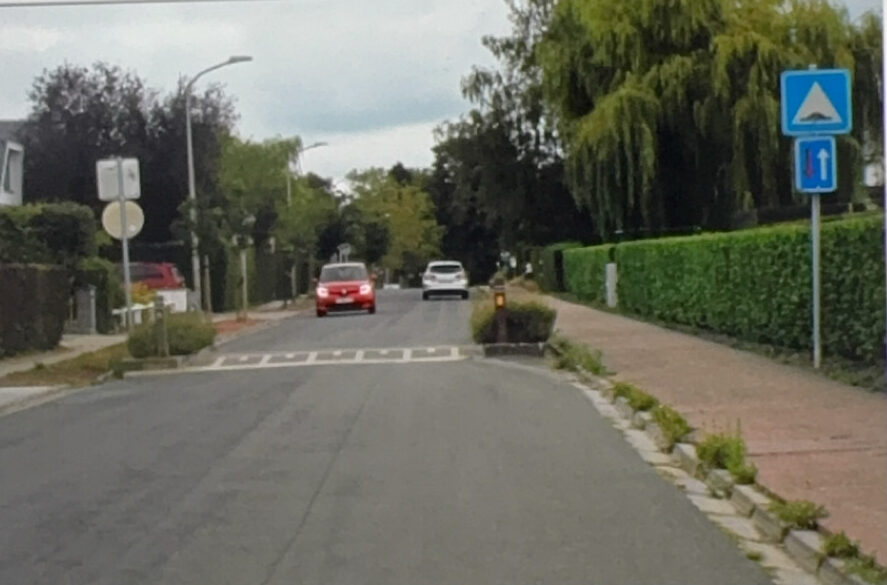
I have to cross this speed bump at a maximum speed of
Explanation: 🚧 Speed bumps are designed to limit vehicle speeds. The maximum recommended speed for driving over a speed bump is 30 km/h. ⚠️ Driving at a higher speed can damage your vehicle or cause you to lose control. Tip: 🌟 When you see a speed bump, always slow down to 30 km/h or less. 💡 If you’re unsure, remember the number 30: it’s a simple rule for residential areas with speed bumps.
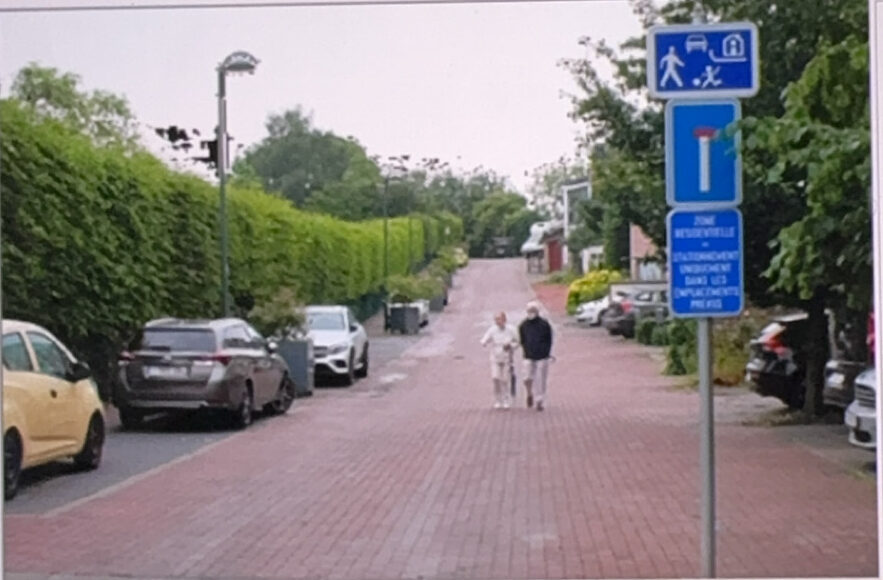
In a residential area, the speed is limited to
🚶♀️ Explanation: A residential area is specially designed for pedestrians and residents. The speed limit is 20 km/h to ensure their safety. 💡 Tip: Remember that in these areas, priority is given to pedestrians and children playing in the street.
A speed limit sign is in effect
🚗 Explanation: A speed limit applies until the next intersection, unless another sign or an end of zone is indicated beforehand. 💡 Tip: As soon as you see a speed limit sign, consider the next intersection as the default end point.
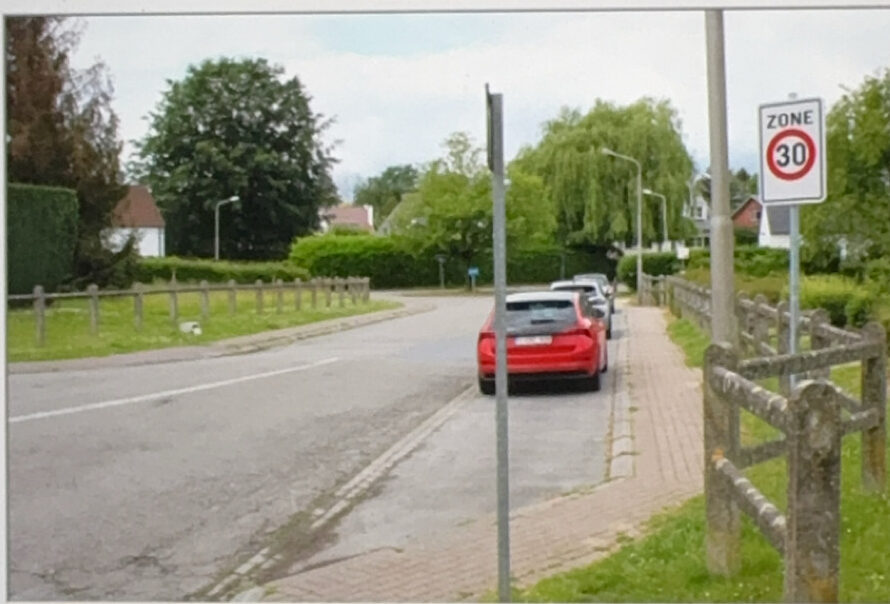
The speed limit of 30 km/h is valid
🚦 Explanation: When the speed limit is indicated by a zone sign, it remains valid throughout the zone until the end of zone sign. 💡 Tip: Make sure you find the start and end of zone sign. This avoids misunderstandings about the validity of the speed limit.
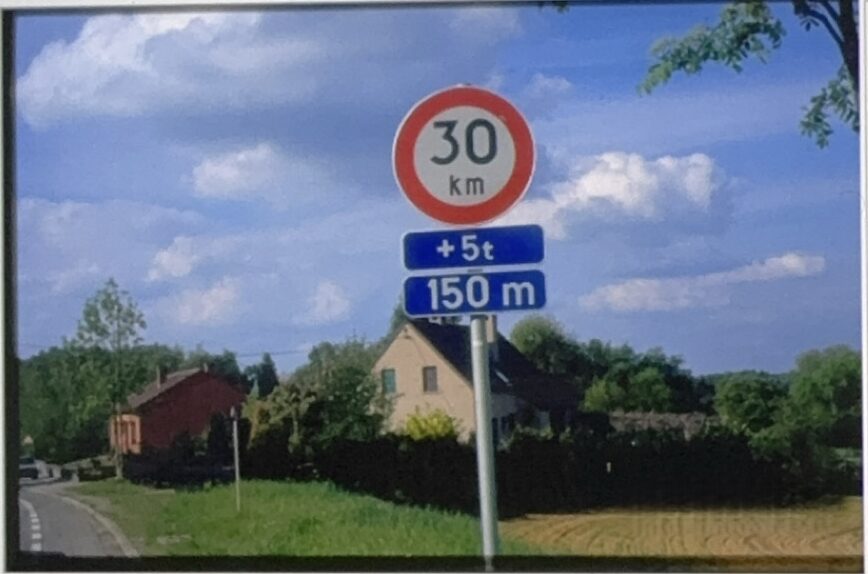
This speed limit concerns
🚚 Explanation: The additional sign specifies that this limitation only applies to vehicles with a GVW exceeding 5 tonnes. 💡 Tip: Always look at the additional signs: they provide important information on exceptions.
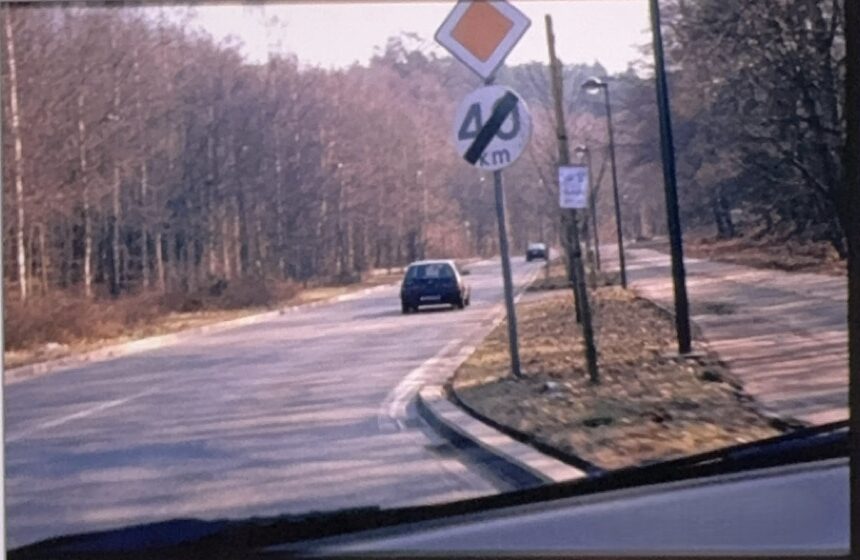
This road sign means
🚦 Explanation: This sign marks the end of a specific speed limit (here 40 km/h). This means that the previous limit no longer applies, and you must adapt your speed according to the general rules or the following signs. 💡 Tip: If you see a black bar crossing a number, remember that this is the end of the restriction. Adjust your driving according to the usual or new limits.
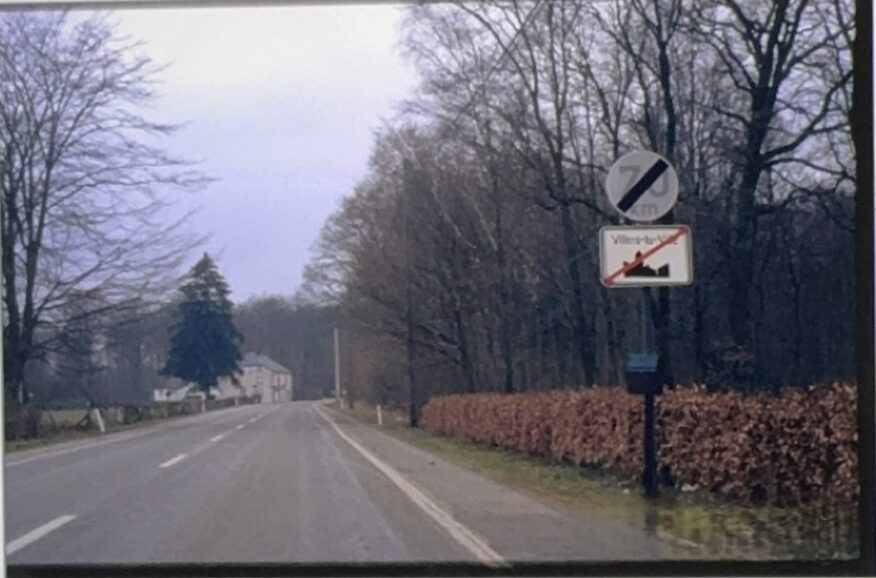
Before the signals, my speed was limited to
🚗 Explanation: Outside built-up areas, if a sign authorizes a speed higher than the usual limit, the new limit applies. Here, the speed limit was 70 km/h before the end of this zone. 💡 Tip: Always check if a specific sign changes the default limit.
The speed limiter limits the speed of coaches to
🚌 Explanation: Coaches equipped with a speed limiter are limited to 100 km/h, according to European regulations. 💡 Tip: Consider the safety built into heavy vehicles carrying passengers.
Driving at an abnormally low speed is an offense
🚦 Explanation: Driving too slowly without a valid reason interferes with other drivers and can create dangerous situations. This is an offense. 💡 Tip: Adjust your speed to the conditions, but don’t be an unnecessary obstacle.
The prohibition sign is valid
🏙️ Explanation: When the sign is placed at the beginning of a built-up area, the restriction applies to the entire built-up area until the exit or a modification sign. 💡 Tip: Observe the built-up area entry and exit signs to understand the restrictions.
The prohibition sign is valid
🚦 Explanation: This sign indicates a 70 km/h speed limit in built-up areas, but it is valid until the next intersection, unless an end of prohibition sign or another speed limit intervenes. 💡 Tip: Always consider the next intersection as the “natural” end of a specific speed limit if no other sign is present.
If I have an accident with a pedestrian while traveling at 50 km/h, the risk of death for this pedestrian is
🚶 Explanation: At a speed of 50 km/h, impact with a pedestrian is often fatal in 50% of cases, unlike a lower speed like 30 km/h where the risk decreases significantly. 💡 Tip: Always reduce your speed near risk areas like pedestrian crossings, schools, or residential areas.
The impact during an accident at 50 km/h corresponds to a fall of the
🏢 Explanation: A collision at 50 km/h is equivalent to a fall from the 3rd floor, which shows the violence of such an impact. At 30 km/h, the collision is equivalent to a much less dangerous fall. 💡 Tip: Think about kinetic energy, which increases with speed: driving more slowly can save lives.