

Light signals are essential elements of road signage, regulating traffic flow and ensuring the safety of all road users. They come in different shapes and colors, each with a precise meaning that all drivers must know and respect.
Light signals
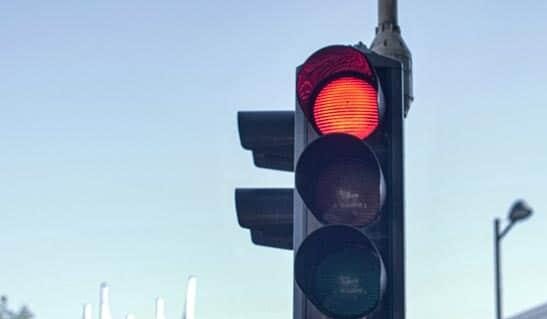
The red light
The red light means that it is absolutely forbidden to cross the stop line or, if there is no stop line, the signal itself. It is followed by a green light.
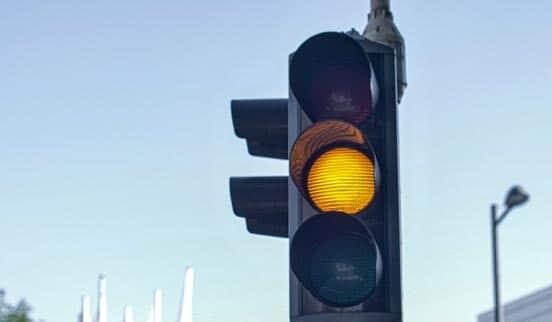
The fixed yellow-orange light
The fixed yellow-orange light means no crossing the stop line, unless the driver is too close to stop safely. At crossroads, if stopping is dangerous, you can cross without endangering other road users. This is followed by a red light.
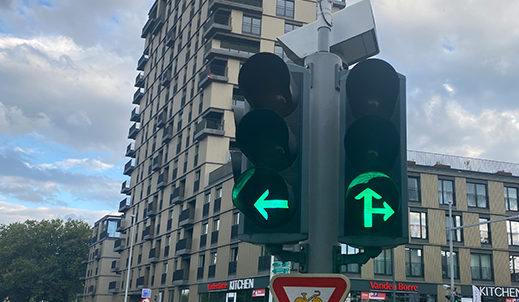
Tricolor arrows
Tricolour arrows have the same meaning as circular traffic lights, but their effect is limited to the directions indicated by the arrows. Drivers may cross the signal in the direction of the green arrows without giving way.
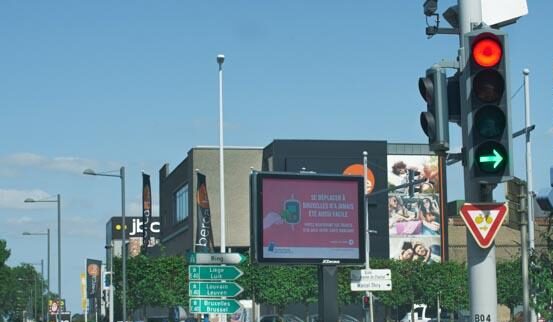
Red light with green arrow
A red light with a green arrow means that you are authorized to proceed only in the direction of the arrow, giving way to other road users and pedestrians. For cycle paths, this signal also applies to authorized mopeds.
Lights for cyclists
Light signals with a bicycle silhouette are only relevant for drivers of bicycles and two-wheeled mopeds. When the silhouette is surrounded by arrows, the light is simultaneously green, orange-fixed or red for all cyclists in the intersection.
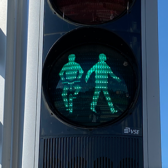
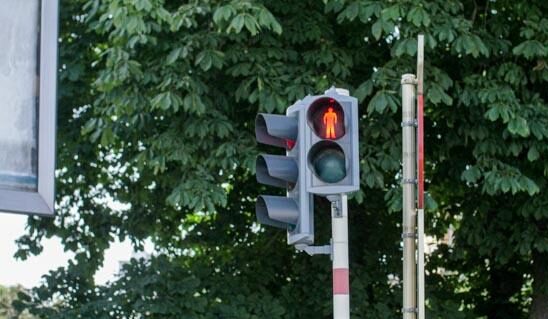
Two-tone light signals for pedestrians
The red light means that you are not allowed to enter the roadway. A green light means that you may proceed, with the possibility of a flashing light to signal the end of the authorization. A pedestrian surrounded by arrows indicates that the light is simultaneous throughout the intersection.
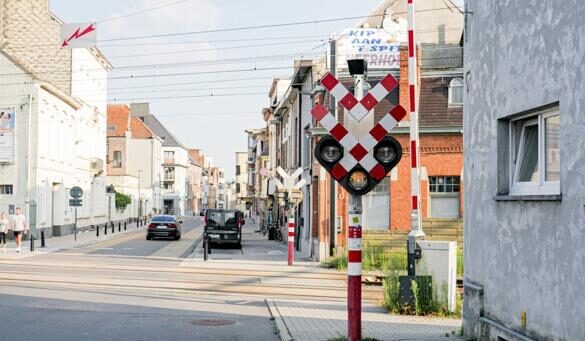
Signals at level crossings
A flashing white lunar light authorizes crossing. Two red lights flashing alternately prohibit all users from crossing.
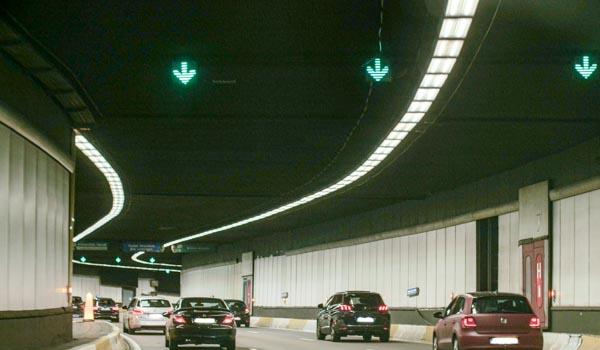
Signals above the bands
Green arrows pointing downwards indicate lanes open in your direction. Red crosses indicate the prohibited direction on the lane.
Understanding and respecting traffic signals is fundamental to road safety. Whether it’s classic traffic lights, specific signals for cyclists and pedestrians, or lights at level crossings, every driver needs to be able to interpret these signals correctly and adapt his or her behavior accordingly.
