

The public highway is made up of a number of different parts, all of which help to organize the circulation of all users in a safe way. Each part has a specific function and rules of use that are important to know in order to share the space properly.
Parts of the public highway
The roadway
Refers to the part of a public thoroughfare designed for general vehicular traffic.
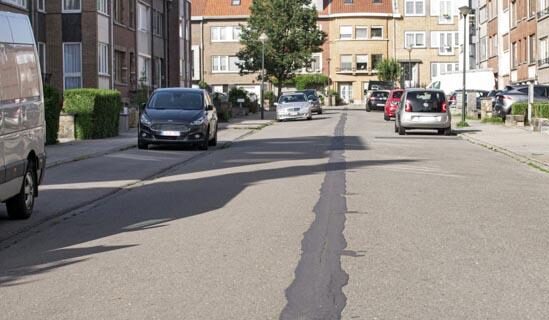
The traffic lane
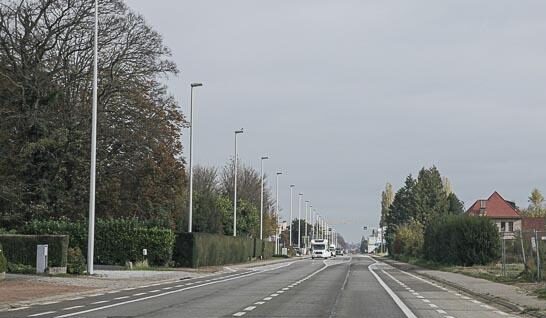
Refers to any part of a roadway divided longitudinally by one or more continuous or discontinuous white lines. These lines can be made more conspicuous by retro-reflective devices. Temporary markings can also be used, with orange lines or nails.
The sidewalk
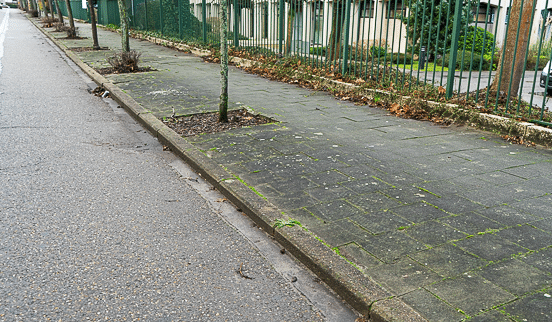
Refers to the part of a public thoroughfare, whether or not raised above the roadway, that is specifically designed for pedestrian traffic, and surfaced with hard materials.
The crossing sidewalk
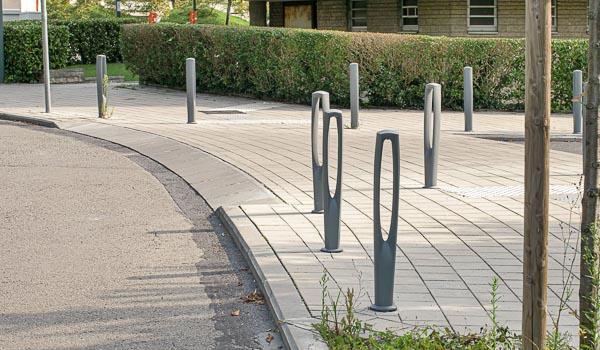
It’s a sidewalk that crosses the roadway. The fact that a projecting (raised) sidewalk crosses the roadway does not alter its nature. It remains a space specifically designed for pedestrian traffic.
The bike path
Designates the part of the public highway reserved for the circulation of class A bicycles and two-wheeled mopeds by signals D7, D9 or two parallel dashed white lines. The cycle track is not part of the roadway.
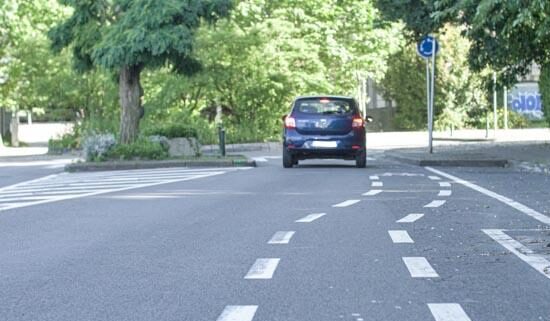
Suggested bicycle lane
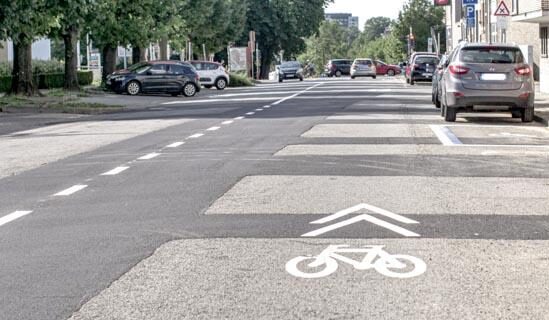
Refers to the part of the roadway to the right of this one. It can be recognized by a different-colored coating or by markings consisting of bicycle symbols. It indicates the position to be adopted by cyclists on the roadway and draws the attention of drivers to their possible presence. Motorists can use these roads
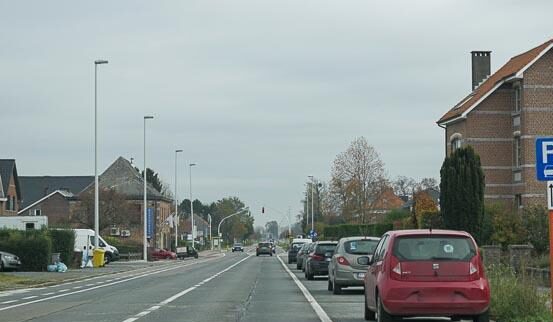
The level shoulder
Designates a space distinct from the sidewalk and bicycle path, between the roadway and a ditch, embankment or property line, and located at the same level as the roadway. This is the space where you can park.
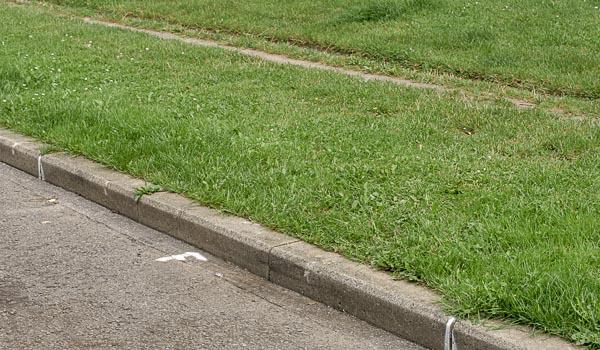
Protruding shoulders
A space raised above the level of the roadway, distinct from a sidewalk or bicycle path, between the roadway and a ditch, embankment or property line. The protruding shoulder is generally covered with a loose material that is difficult for pedestrians to walk on, such as earth or grass.
The hard shoulder
This is the part of the road on the right-hand side of freeways and freeways. It is separated from the traffic lanes by a wide, continuous white line. Only vehicles that have broken down or have been involved in an accident, priority vehicles and tow trucks on a mission may use this area. In all other cases, you can’t drive, stop or park there.
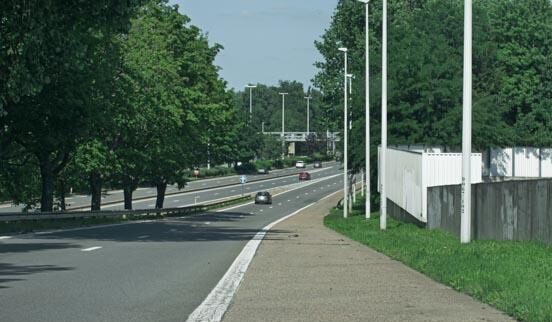
The central reservation
Refers to any type of longitudinal arrangement used to separate roadways, with the exception of road markings.
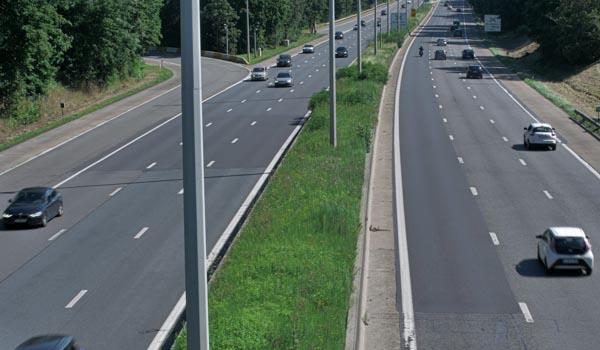
Knowledge of the different parts of the public highway is essential for safe, respectful driving. Each area has been designed to meet the specific needs of different users, whether motorists, cyclists or pedestrians. Respecting these facilities contributes to road safety.
