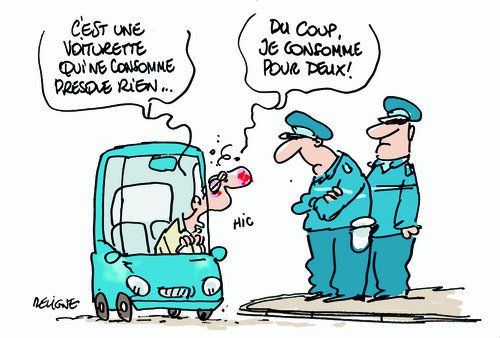
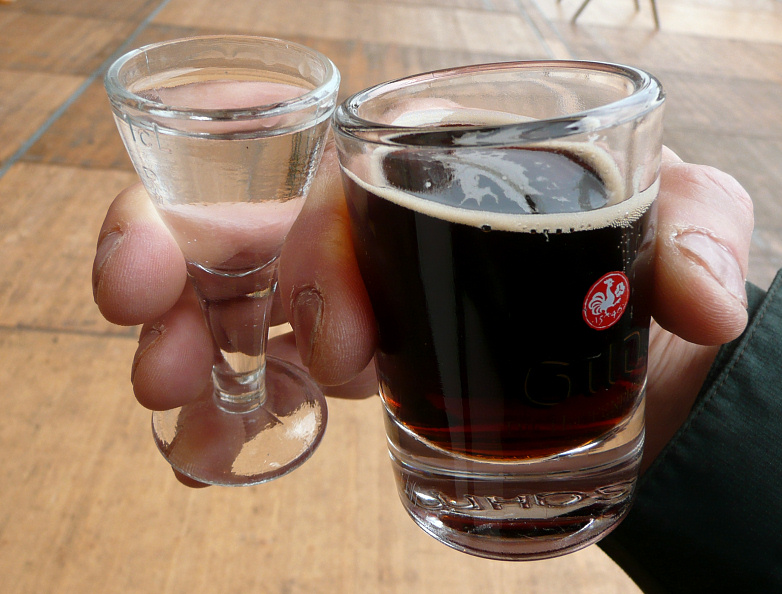
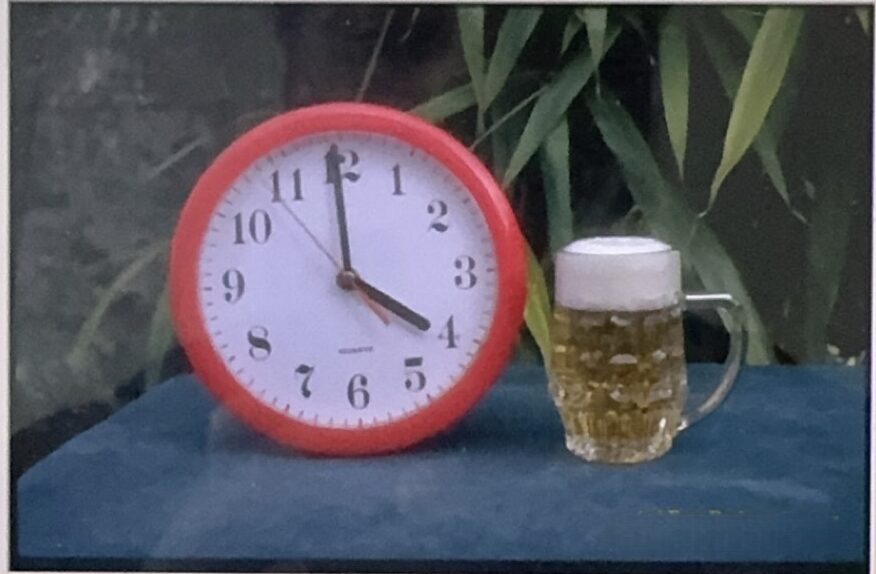
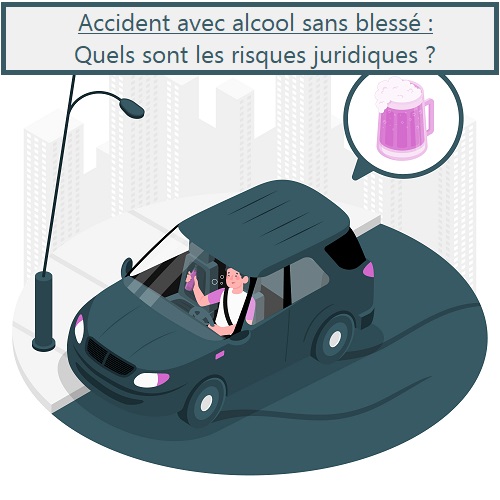
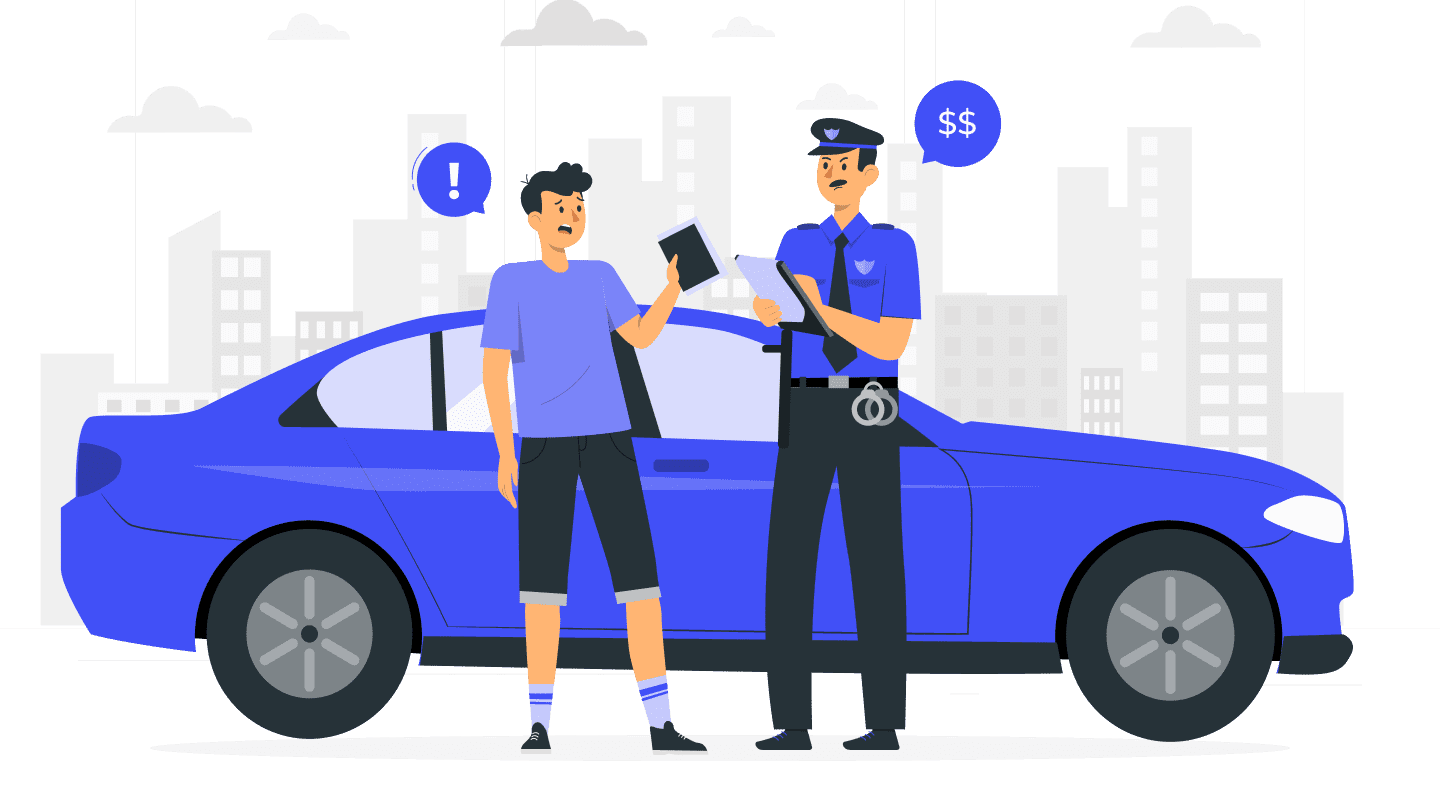
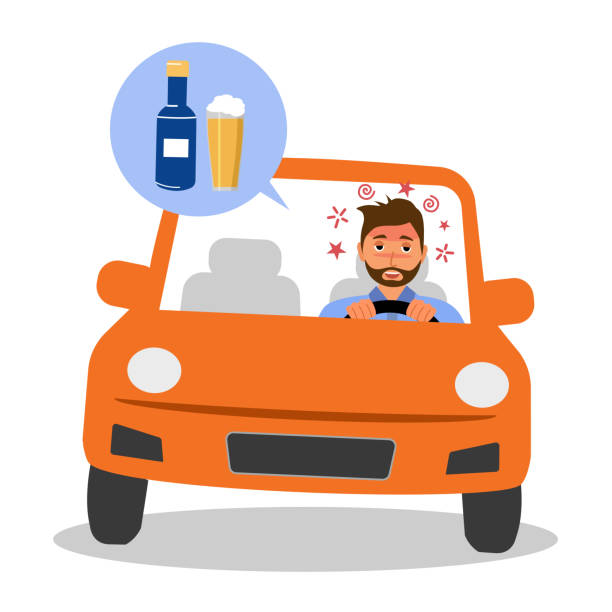
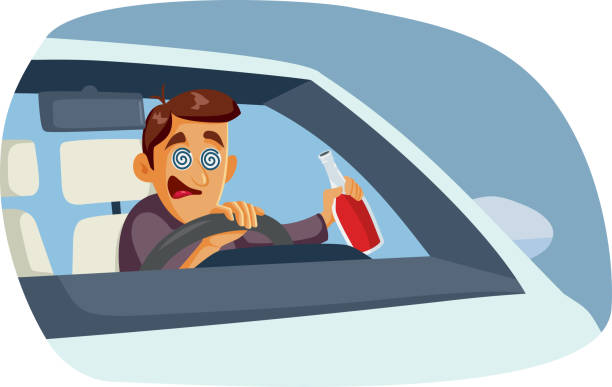
🍷 Explanation: Drunkenness is a loss of control over one’s actions, determining the amount of alcohol consumed. This can happen even after a single drink depending on individual sensitivity. 💡 Tip: Drunkenness is a loss of control and not simply a matter of measurable quantity.
Someone is in a state of alcoholic intoxication from the moment when
🚗 Explanation: Alcohol intoxication is precisely measured by the level of alcohol in the blood (≥ 0.2 g/L) or in the exhaled air (≥ 0.09 mg/L). 💡 Tip: Exact figures vary, but a scientific measurement is always used to determine this state.
At what level of alcohol in exhaled alveolar air is one punishable?
🔎 Explanation: From 0.09 mg/L in exhaled air, it is forbidden to drive. This threshold is equivalent to 0.2 g/L in the blood. 💡 Tip: Remember that 0.09 mg/L is a very low threshold and corresponds to a strict tolerance for road safety.
At what blood alcohol level is one punishable?
🍺 Explanation: In Belgium, you are punishable by a blood alcohol level of 0.2 g/L, which is very low. Higher limits (0.5 g/L and 0.8 g/L) are for more serious offenses. 💡 Tip: Remember that 0.2 g/L is the minimum limit and mainly applies to young drivers or those in professional transport.
Can everyone who drives be required to take a breath test?
Explanation: 🚨Even if a person has not committed any offense, authorities can impose a breath test. This is a preventive measure to ensure everyone’s safety. Tip: Remember that the test can be carried out without there being any visible signs of intoxication!
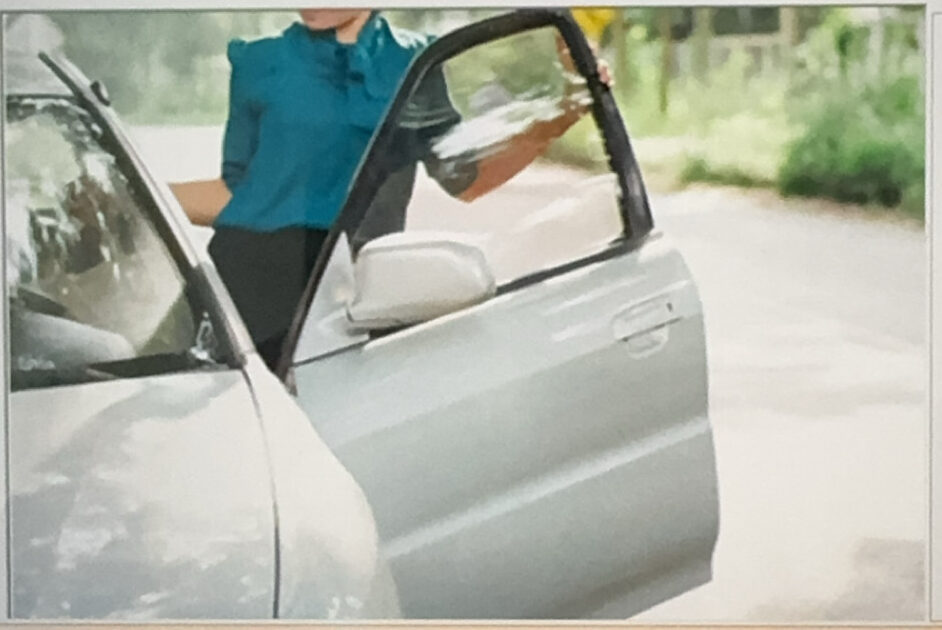
Can a breath test be imposed on someone who is about to drive?
Explanation: 🛑 Even if the person has not yet driven, they can be subjected to the breath test before getting behind the wheel. This helps prevent accidents before they happen. Tip: Any prospective driver can be tested, regardless of whether they are driving at the time of the test.
Can the person accompanying me for training be required to take a breath test?
Explanation: 👨🏫 Drivers in private driving schools or driving instructors may also be subject to a test, even without visible signs of alcohol in their blood. Tip: When learning to drive, everyone in the vehicle is concerned about safety!
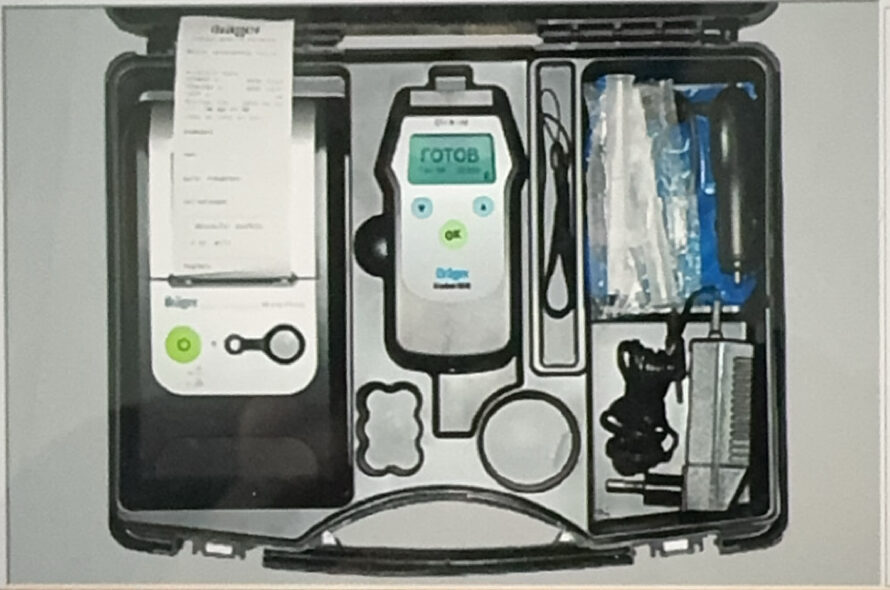
When I am asked to blow into the breath tester or analyzer
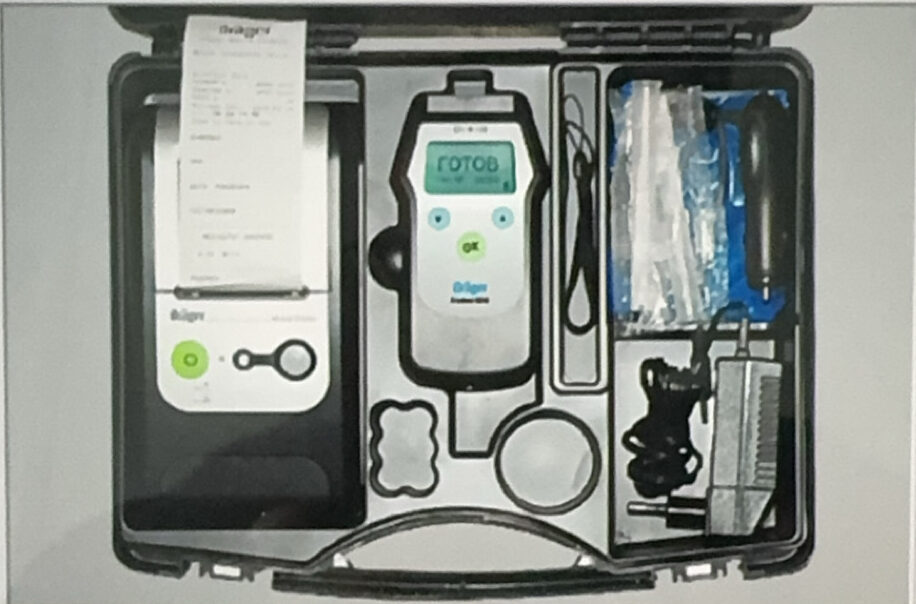
Explanation: 🚨 As of May 1, 2024, it is no longer possible to request a 15-minute delay. Anyone asked to blow into the breath analyzer must do so immediately. Tip: Keep in mind that this rule is intended to ensure a fast and reliable response to the test.
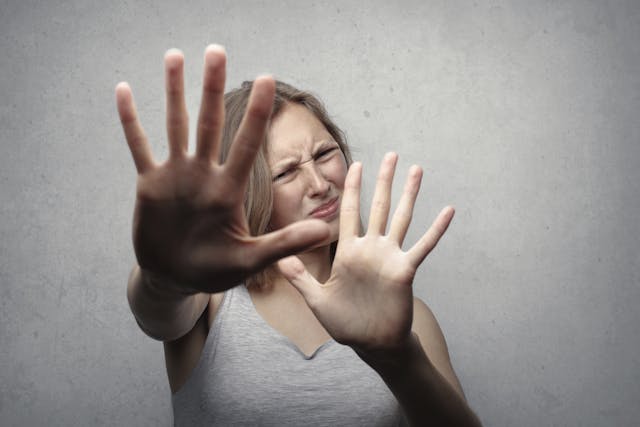
In case of refusal to blow into the breath tester
Explanation: 🚨 Refusing to blow is a double offense! You will be considered second-degree drunk and will receive a more severe penalty: fine, penalty, and immediate revocation of your license. Tip: Never refuse, even if you think you’ve had a little to drink. Refusing is always more serious than blowing!
If the breath analyzer indicates an alcohol concentration of 0.30 mg/liter, I will be banned from driving for a period of
Explanation: ⏱️ If your breath alcohol level is between 0.22 and 0.35 mg/liter, you are banned from driving for 3 hours. Tip: Know the limits: 0.22 mg/liter is the minimum threshold that results in a ban.
An alcohol concentration of 0.8 grams per litre of blood results in a temporary driving ban.
Explanation: 🚫 A blood alcohol level of 0.8 grams or more results in a 6-hour driving ban and immediate license confiscation. Tip: Driving over this limit can lead to very severe penalties, even beyond the temporary ban.
While drinking black coffee
Explanation: ☕ Coffee reduces drowsiness but does not reduce blood alcohol levels. In fact, it prolongs its effects on the body. Tip: Don’t believe the coffee myth! It won’t help you eliminate alcohol faster.
For the body to release the amount of alcohol corresponding to 1 glass of beer, it takes approximately
Explanation: 🕒 It takes the body an average of 2 hours to eliminate the alcohol in a standard drink. This varies from person to person. Tip: Remember, only patience eliminates alcohol. Neither coffee, water, nor exercise speed it up.
Can you get drunk after just one drink?
Explanation: 🍺 Some people can get drunk after just one drink, especially if they are sober or rarely drink alcohol. Tip: Stay alert, as even one drink can affect your driving.
Can it be dangerous to drive after taking certain medications?
Explanation: 💊 Some medications cause side effects similar to drunkenness: drowsiness, loss of concentration, etc. Always read the instructions. Tip: Consult your doctor or pharmacist before driving while taking medication!
What are the possible penalties for drunk driving?
Explanation: 🚔 The penalties for drunk driving are severe: fines, license suspensions, and even prison in serious cases. Tip: Don’t drive if you’ve been drinking, even a little. The consequences are serious.
During a temporary driving ban, my vehicle is immobilized
Explanation: 🚗 During a temporary ban, your vehicle can be taken over by another person, but it is not immobilized by default. Tip: Contact a friend or family member to come and pick up your vehicle.
Who decides on the immediate withdrawal of the driving license?
Explanation: ⚖️ Although the removal is carried out by a police officer, the decision rests with a magistrate (public prosecutor). Tip: Remember that the courts make the final decisions, not the police.
Having consumed alcohol, I must drive
Explanation: 🛌 Rest is the only way to dissipate the effects of alcohol. Any other method is ineffective. Tip: Always plan a way home without driving if you’re drinking.
What are the effects of alcohol on reaction time?
Explanation: ⏱️ Alcohol slows your reflexes and increases your reaction time, making driving dangerous. Tip: Even a low blood alcohol level can decrease your reaction time. Be careful!