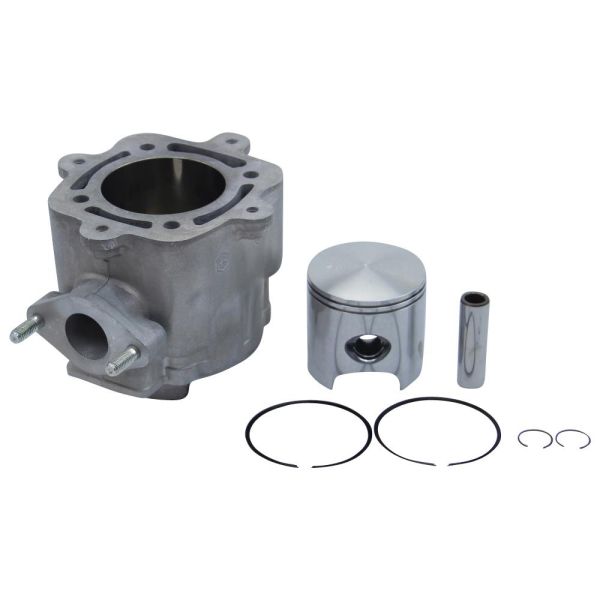
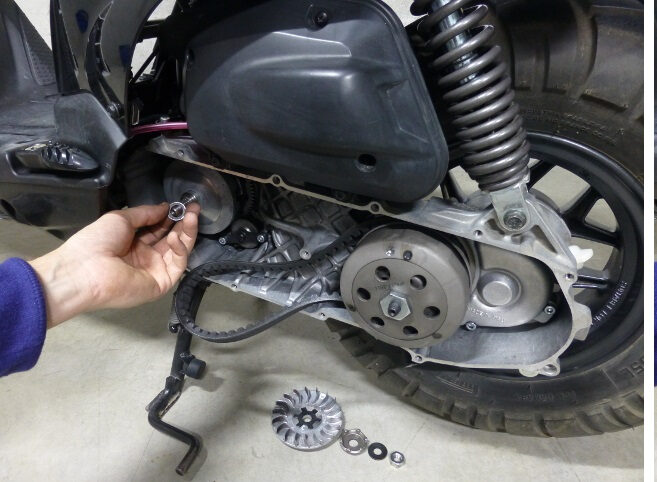
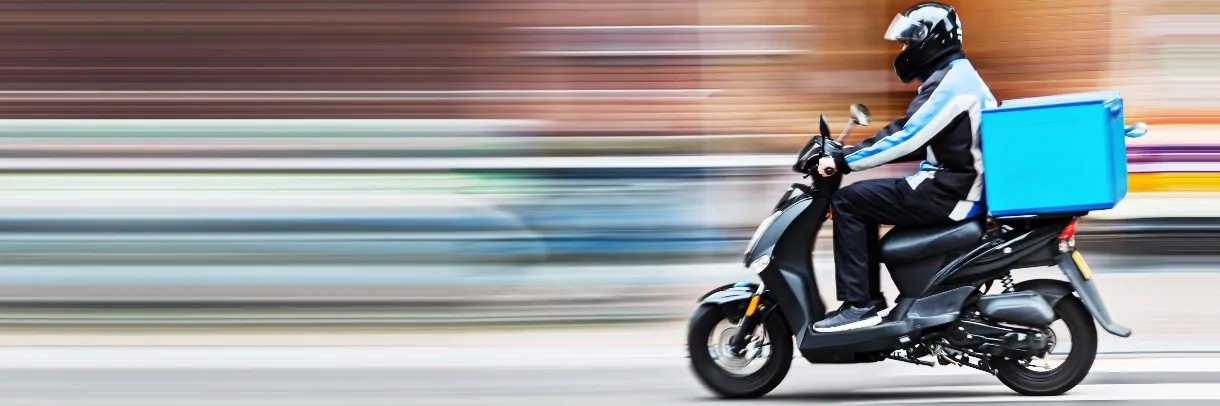
Explanation: A moped is a two-wheeled (or sometimes three-wheeled) vehicle with a cylinder capacity of no more than 50 cm³ and a maximum speed of 45 km/h. If the cylinder capacity is higher, the vehicle is considered a light motorcycle or a motorbike depending on the power. Tip: 👉 “Moped = 50 cm³ max and 45 km/h max.” This makes it easy to remember the basic criteria for a moped.
Can a qualified officer order me to take a breath test?
Explanation: A qualified officer may ask you to blow into the breathalyzer not only on the road, but also in any public or publicly accessible place (e.g., a parking lot, a public square, or during a special road check). Tip: 👉 “A breath test is possible anywhere you can drive, not just on the road.”
This sign prohibits access to certain types of vehicles. Which drivers are also affected, besides cars?
Explanation: This sign prohibits access to cars and heavy vehicles such as trucks and coaches, but not to motorcycles or mopeds. Tip: Remember that this sign primarily targets bulky or motorized vehicles for public use (cars, buses, trucks). If a sign does not indicate a motorcycle, it is often allowed (unless specifically stated).
On this route, you are forced to turn left. Who has priority in this situation?
Explanation: The signal gives me priority, and the sign below indicates the route to follow to benefit from it. I therefore have priority over the white car. Tip: “If I turn left onto a main road, I have priority over those coming from the right.”
Does the priority signal allow me to go through a red light while giving way to cyclists?
Explanation: A red light is still a mandatory signal. Even with a priority sign, you must wait until the light turns green to proceed. Tip: Remember: “Red = complete stop, regardless of the situation.”
At 120 meters, there is a no entry sign. Can I continue straight ahead?
Explanation: The sign indicates that there are still 120 meters left before reaching the prohibition. You can therefore continue straight to the point where the restriction begins. Tip: “As long as I haven’t reached the indicated distance, I can continue normally.”
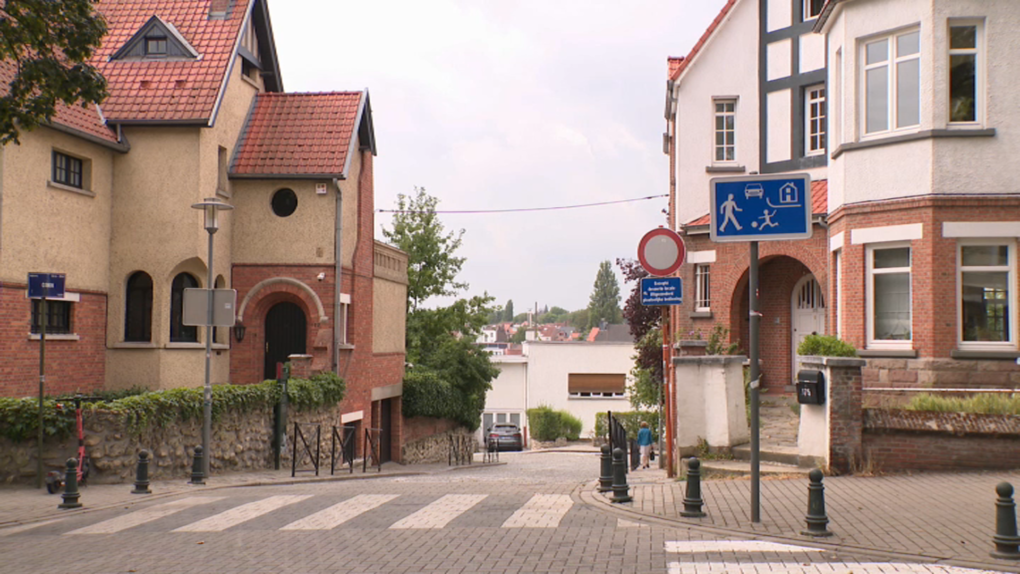
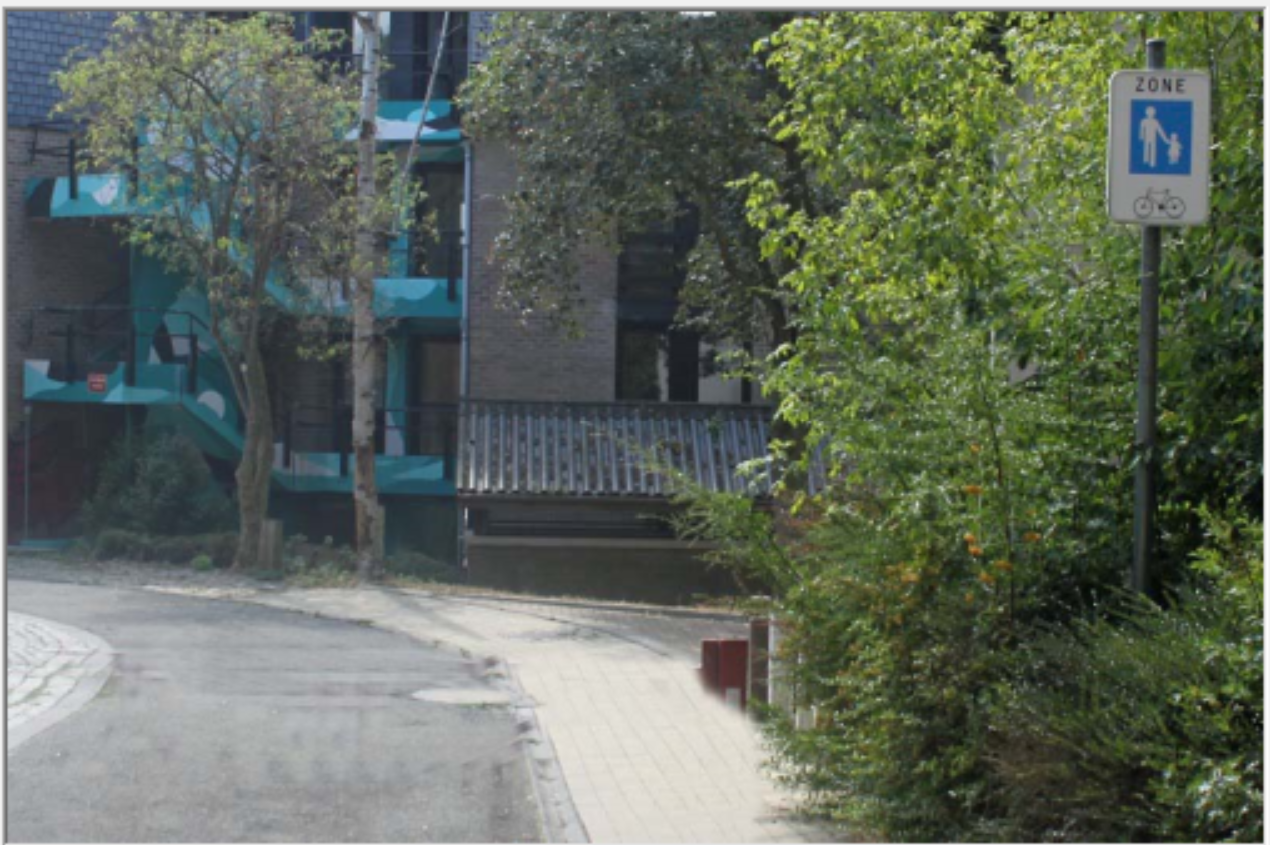
Can I continue straight ahead in this residential area?
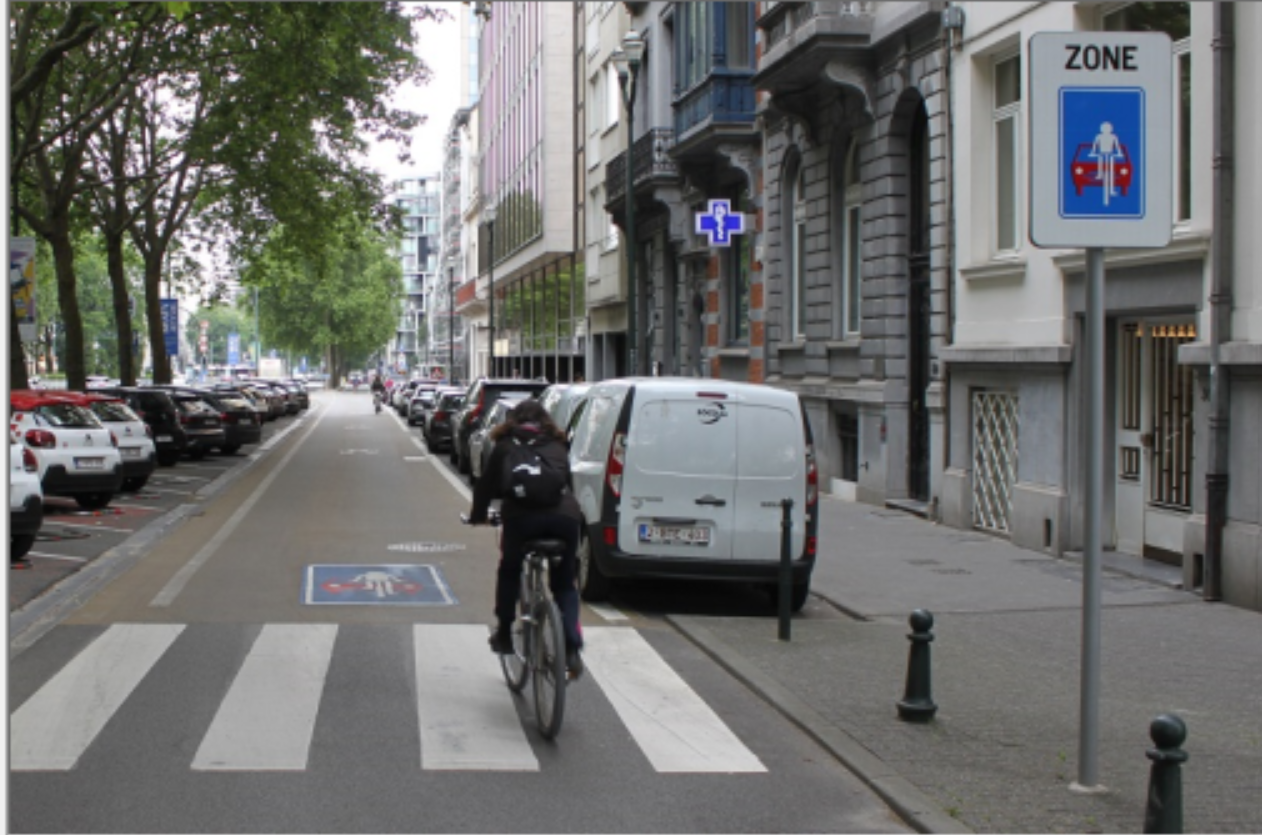
Explanation: In a residential area, traffic is permitted provided it does not disturb or endanger pedestrians who can use the entire roadway. The maximum speed is often limited to 20 km/h in these areas, but the important thing here is to respect vulnerable road users. Tip: “In a residential area, priority is given to pedestrians: I drive slowly and remain vigilant.”
Can I use this public road on a moped or motorcycle?
Explanation: The sign indicates an area exclusively reserved for pedestrians and, sometimes, cyclists. Motorized vehicles are not allowed to circulate there, except for specified exceptions. Tip: 👉 “Blue sign with pedestrian: area prohibited to motorized vehicles.”
The lights are out at this intersection. Who should I yield to?
Explanation: When the lights are out of order, apply the right-of-way rule. You must give way to vehicles approaching from your right. Tip: 👉 “Light out of order = right-of-way, unless a sign changes the rule.”
Is it allowed to repeatedly accelerate the engine while it is in neutral?
Explanation: Accelerating the engine in neutral is prohibited because it causes unnecessary pollution and uses the engine for no reason. Tip: 👉 “Don’t play with the accelerator: it’s useless and polluting!”
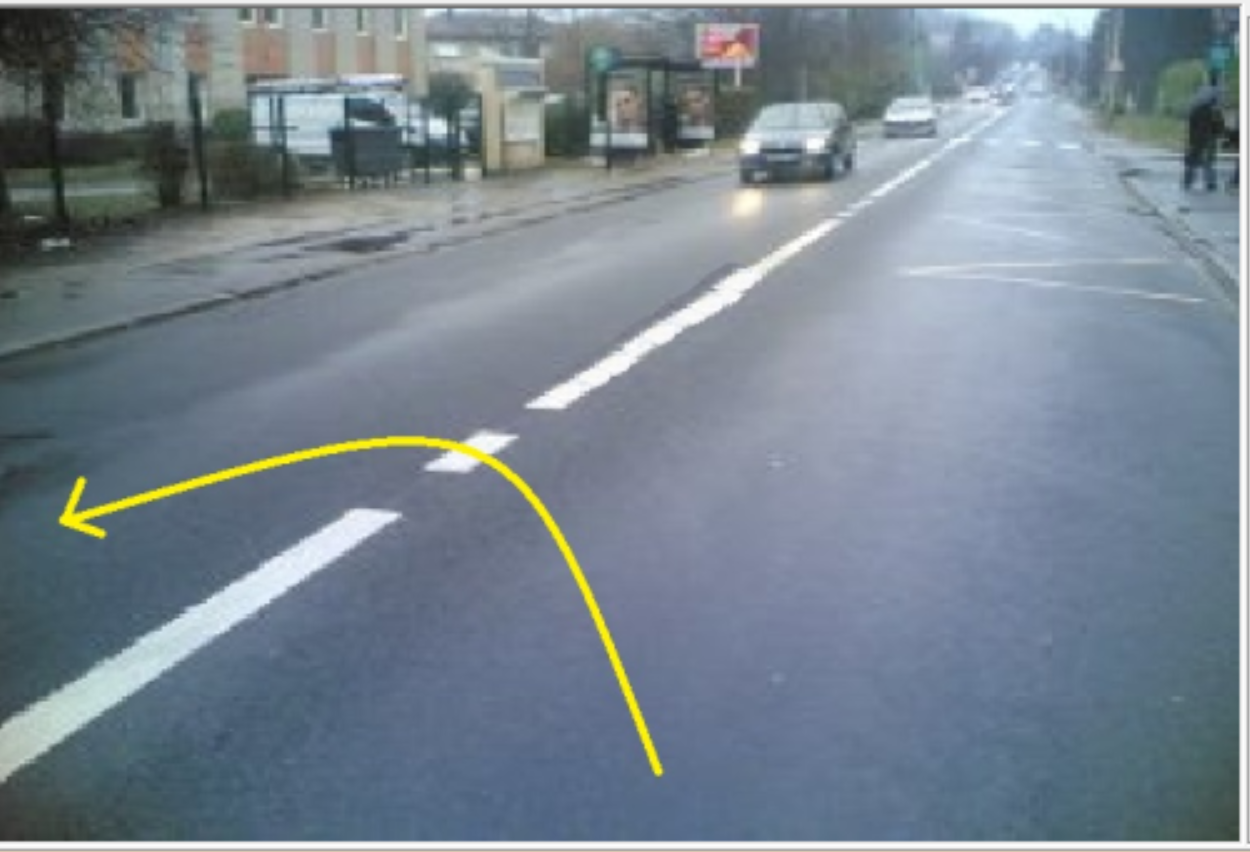
Can I make a U-turn at this location?
Explanation: The line is broken, which means that it is permitted to cross this line to make a change of direction, including a U-turn, as long as it can be done safely without disturbing other users. Tip: 👉 “Breaked line = I can cross to turn or make a U-turn, but always check for safety.”
When the judge orders a license revocation following an offense, when do you have to surrender your license?
Explanation: When the license expiry date is pronounced by a judge, you have 4 days to return your license. The forfeiture period begins from the 5th day. Tip: 👉 “Judge’s decision: license to be returned within 4 days, expiry from the 5th.”
Does the tram have to respect this traffic light?
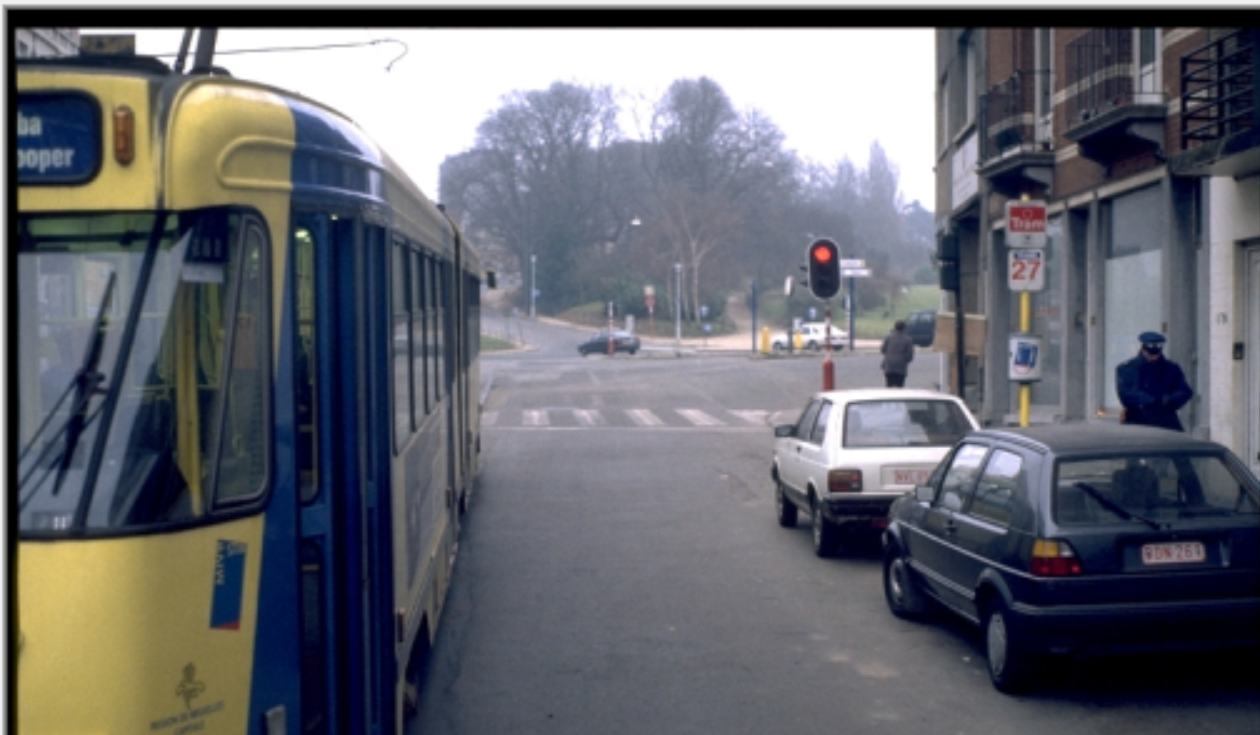
Explanation: Trams must obey the traffic lights when they are positioned on the roadway and not on a dedicated lane (a track separated from other vehicles). Tip: 👉 “Tram on the road = obey the traffic lights.”
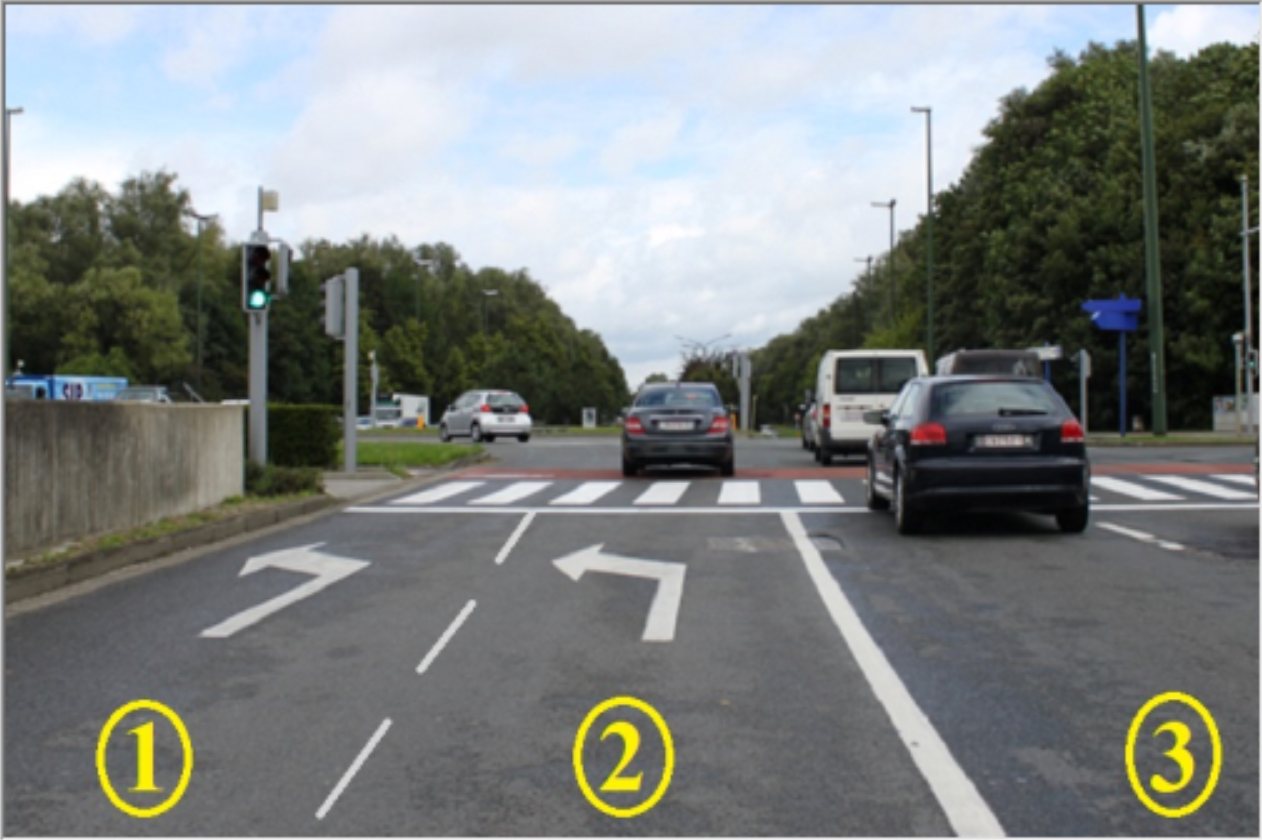
Which lane should I use to turn left?
Explanation: The road markings show that lanes 1 and 2 allow left turns. This means that it is permitted to position yourself on either of these two lanes to make the turn. This marking is often used at major intersections to improve traffic flow. Tip: 👉 “If there are two lanes indicating a left turn, I can choose the one that suits me, respecting the lane.”
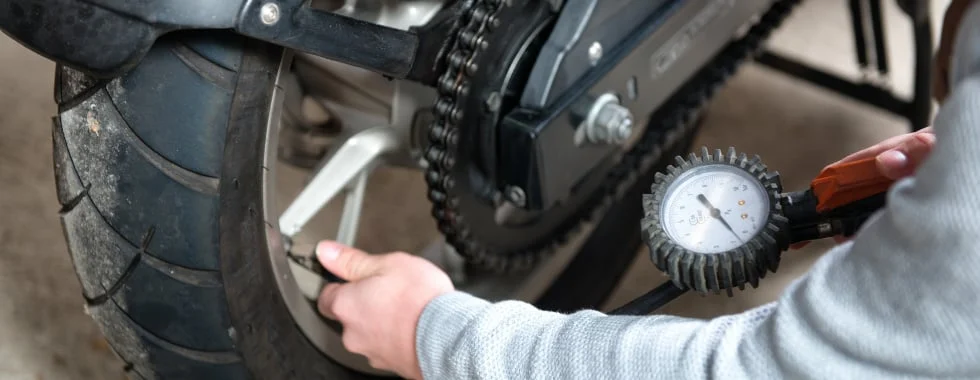
When should you check tire pressure?
Explanation: Tire pressure should be checked when cold, i.e. after a journey of less than 5 km to have a reliable measurement. If the tires are hot, the measured pressure will be incorrect. Tip: 👉 “Tire pressure should be checked when cold, i.e. before a long journey.”
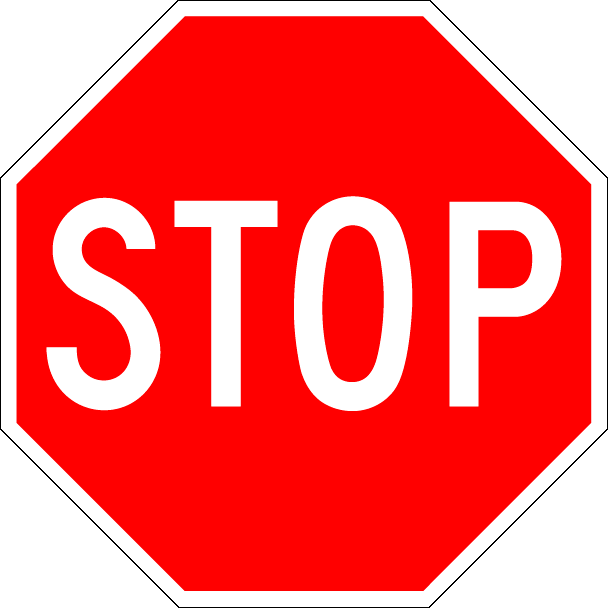
How many sides does the STOP signal have?
Explanation: The STOP sign is an octagonal sign, which means it has 8 sides. This shape is unique in order to make it recognizable even from behind. Tip: 👉 “STOP = 8 sides, like an octagon.”
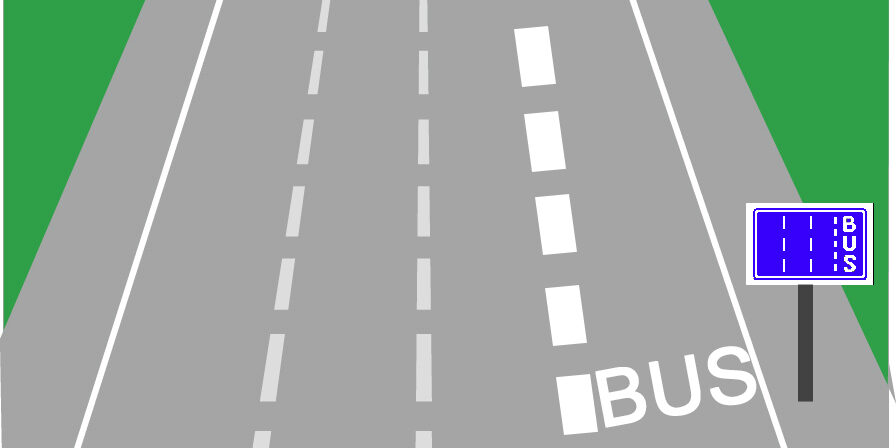
Can I use the bus lane to turn right at the next intersection?
Explanation: It is permitted to use the bus lane to turn right, but only just before the intersection (about 10 meters before) so as not to obstruct the flow of buses on their priority route. Tip: 👉 “Bus lane for turning: I enter it at the last moment, not before.”
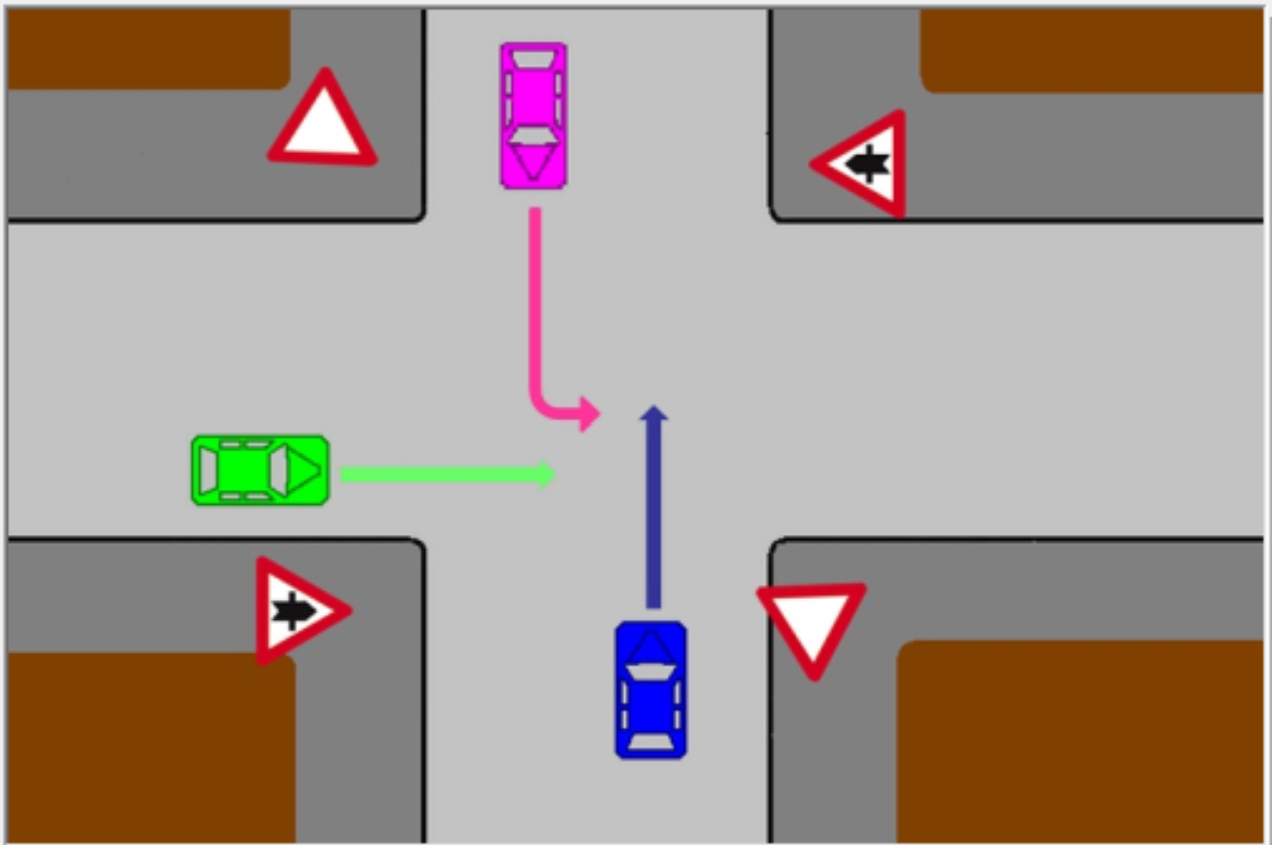
What is the correct order of passage at this intersection?
Explanation 🚗🔄: 1️⃣ The green car has priority on the right over the blue car, and it also has priority over the pink car on the left until the next intersection ✅. It therefore goes in first gear. 2️⃣ The blue car must give way to the green car but has no one on its right after the green car has passed. It can then continue in second gear. 3️⃣ The pink car is turning left and must give way to the others. In addition, it is performing a maneuver, and in the highway code, a vehicle performing a maneuver never has priority ❌. It therefore goes last. Tip 💡📍: ➡️ “Priority to the right + the person maneuvering always goes last” ✅many vehicles have a give way sign, apply priority to the right, and remember that those performing a maneuver (like turning left) are always last 🚗🔄.
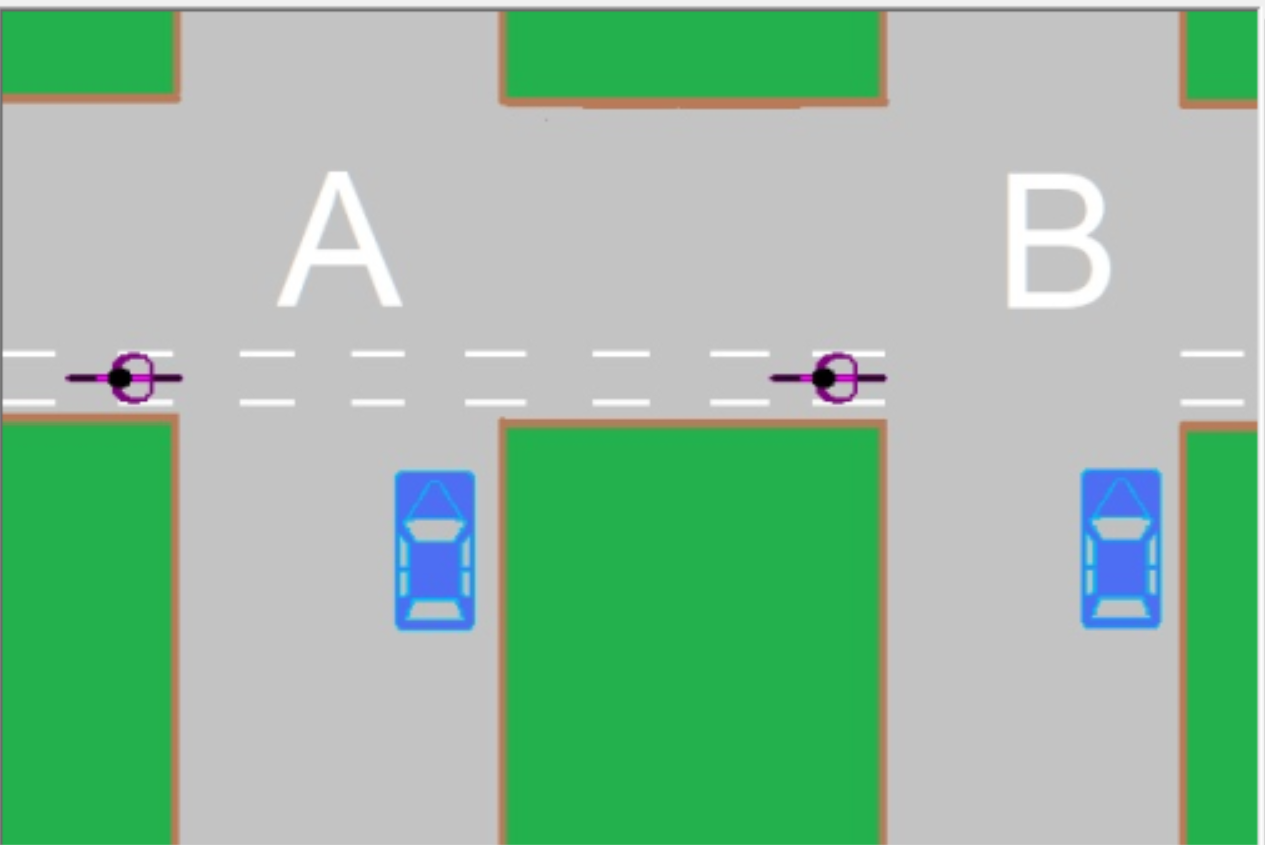
When should I give way to a cyclist?
Explanation: In case A, you are crossing a cycle path that is continuous and located on the roadway. You must give way to cyclists to avoid any risk of an accident. In case B, the cycle path is interrupted by dotted lines, which indicates that motorized vehicles can go first. Tip: 👉 “Continuous cycle path = priority for cyclists.”
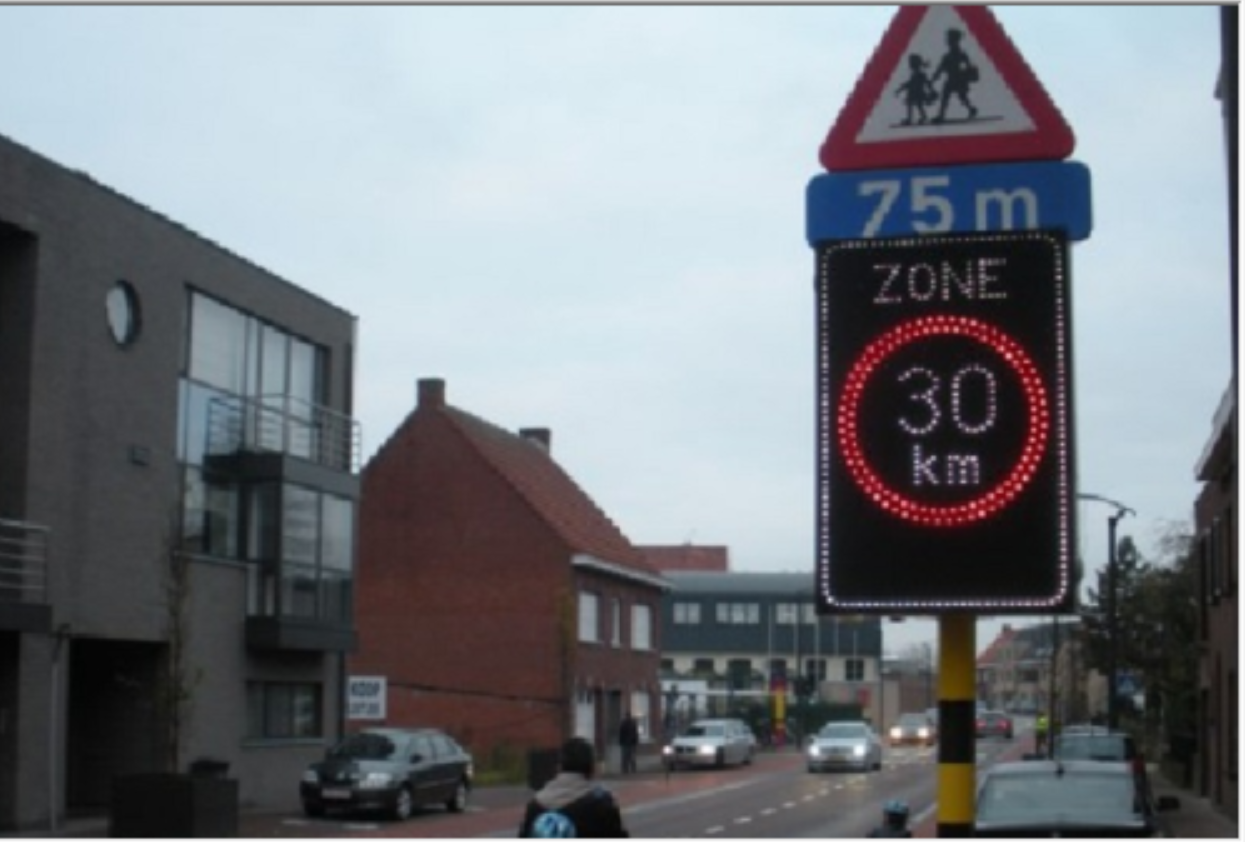
Is this lighted road signal still in effect?
Explanation: Illuminated signs only apply when they are on. When they are off, normal traffic rules apply. Tip: 👉 “If the sign is flashing, I slow down according to the posted limit.”
Can I continue straight ahead to do my shopping in a store located on this street?
Explanation: Access is restricted to local traffic, meaning you can use this lane if you have a valid reason to enter the street, such as visiting a river or going to a local bakery or shop. This does not mean “reserved for residents only” but also applies to those who have a specific purpose related to local life. Tip: 👉 “Local traffic = I can enter if I have a good reason (visit, shopping at a local shop).”
What does a qualified agent’s whistle mean?
Explanation: The whistle is used to get the attention of users so that they focus on the officer and follow their instructions. This does not necessarily mean stopping immediately, but rather paying attention to the officer to understand what they are going to say. Tip: 👉 “Whistle = I look at the officer to follow their instructions.”
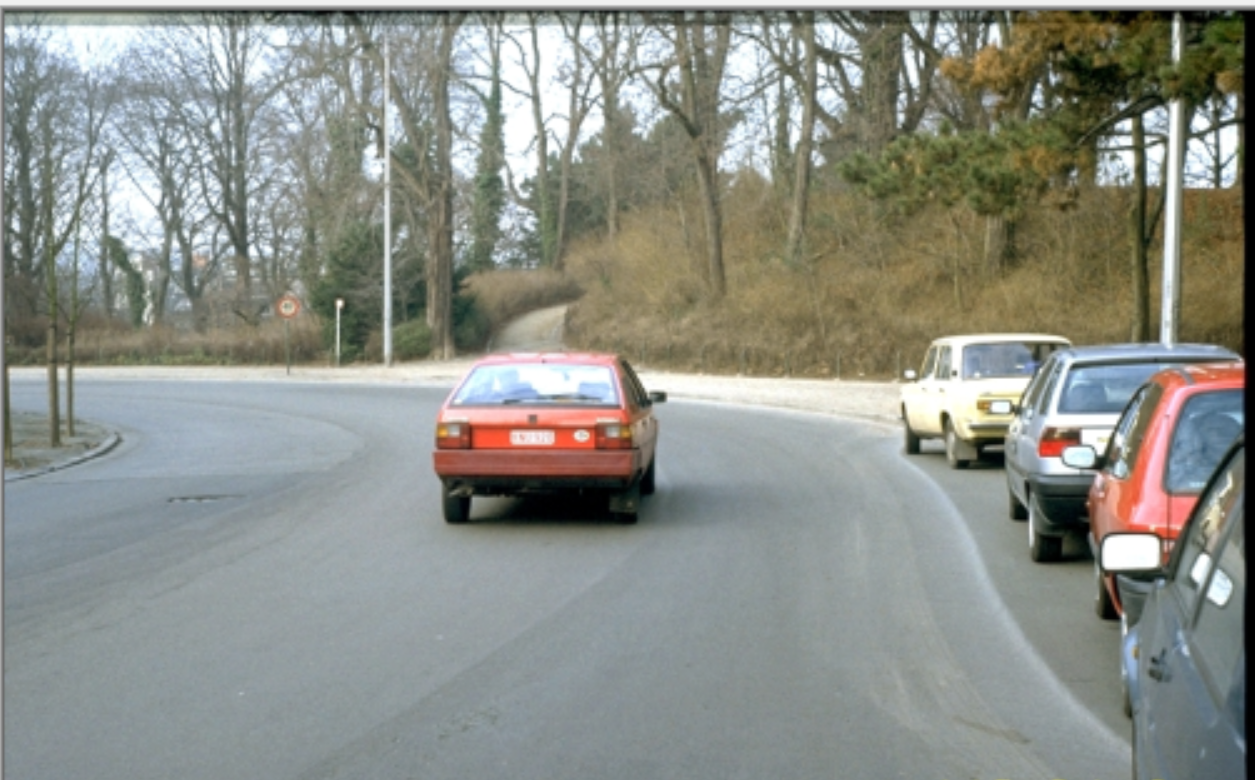
The vehicle in front of me is going 25 km/h. Can I overtake it?
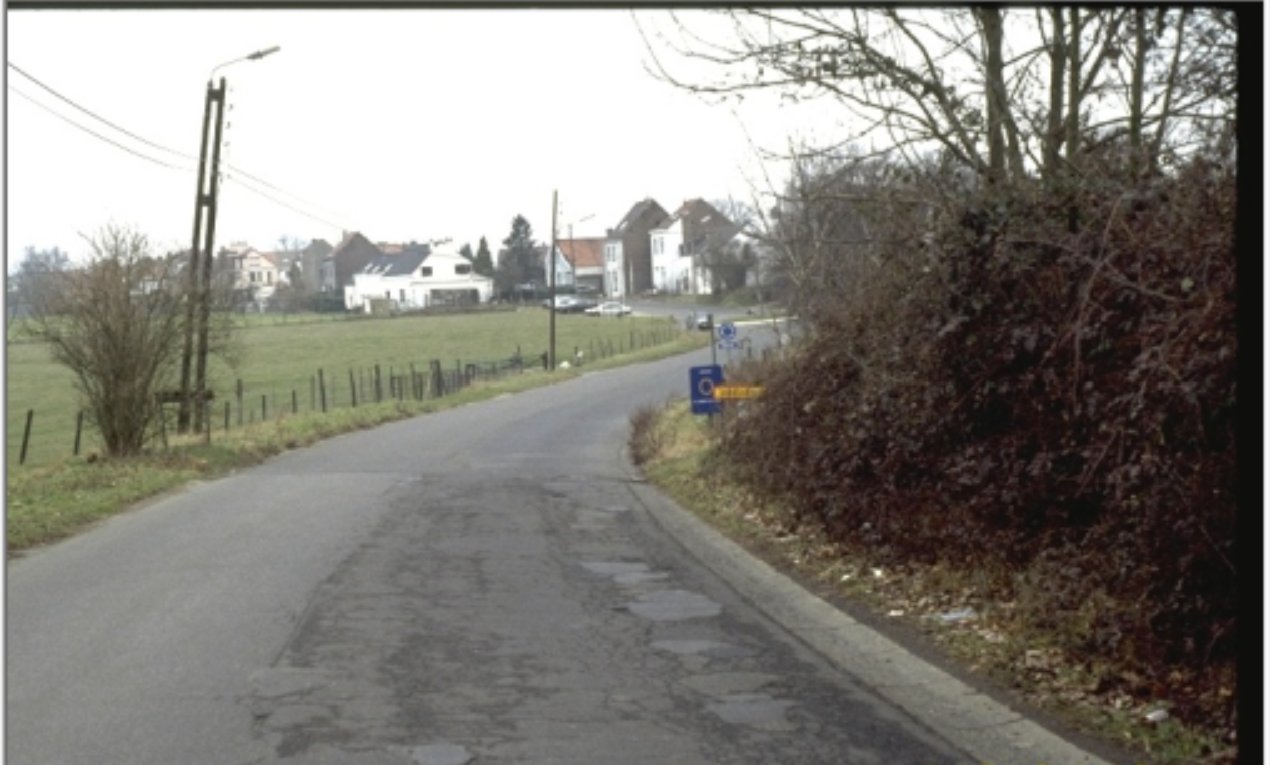
Explanation: On a bend or on a stretch of road where visibility is reduced (as in this image), it is forbidden to overtake another vehicle, even if it is moving slowly. This is especially true for narrow or winding roads where the risk of an accident is high. Tip: 👉 “On a bend or in a blind area, overtaking is prohibited, regardless of the speed of the vehicle in front of me.”
Can I unleash my moped so that it can go faster than 45 km/h?
Explanation: It is illegal to unbridle a moped, even if you have a motorcycle license. A moped must not exceed 45 km/h and a maximum cylinder capacity of 50 cm³. Unbridling is punishable by law due to the risks to safety and the environment. Tip: 👉 “Unbridling = illegal, regardless of license.”
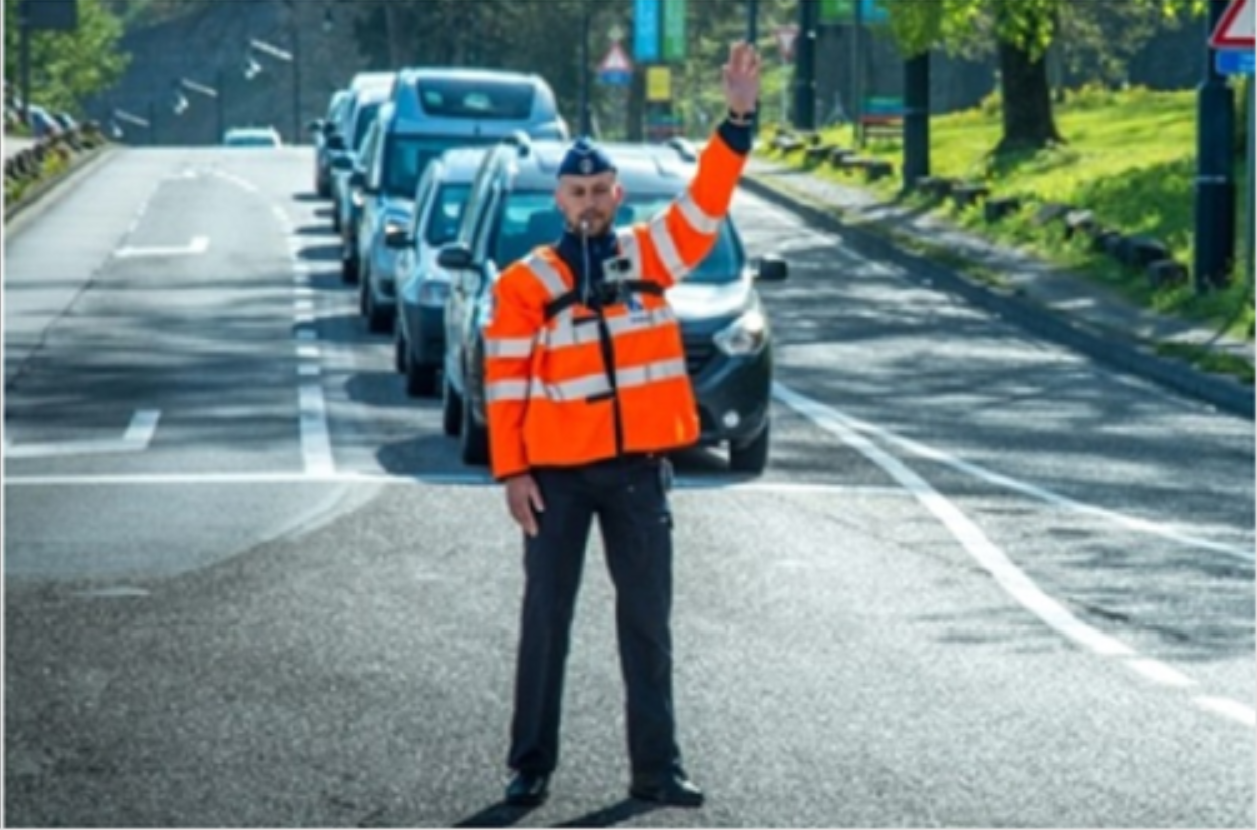
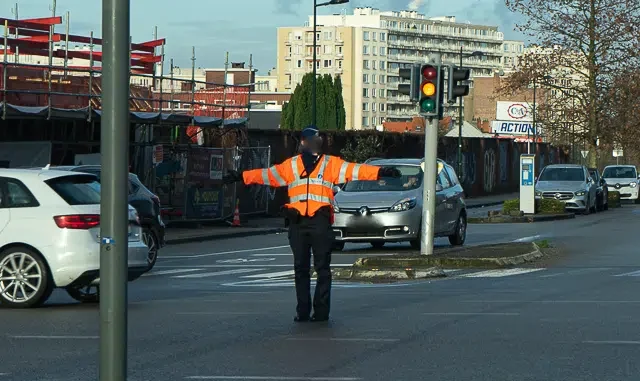
I want to turn left at this intersection. What should I do?
Explanation 👮♂️🚦: When I meet a police officer at an intersection, it is the position of his body that counts, not his arms. ➡️ If the officer is facing me from behind or facing me, it becomes a red light 🚦🛑. I must therefore stop. ➡️ If the officer is facing me from the side, it becomes a green light, and I can move forward 🚦✅. 👉 In the photo, the officer is facing me, so I must stop. Tip 💡👮♂️: ➡️ “Officer facing or facing back = STOP 🛑 / Officer in profile = GO ✅” Outstretched arms have no meaning in themselves. It is the position of the agent’s body that indicates whether to stop or move forward 🚗📍.
I want to transport a package. What is the maximum width allowed for this package on my moped?
Explanation: The maximum width allowed for a load on a moped is 1 meter. This measurement includes the entire package and must be respected to avoid obstructing traffic and to ensure the stability of the vehicle. Tip: 👉 “I can carry a package on my moped, but not larger than 1 meter.”
I want to turn right at the intersection. What should I do?
Explanation: Even if the light is red for oncoming traffic, you must respect pedestrian crossings and other vehicles moving in accordance with the signs. You must yield the right-of-way when turning right. Tip: 👉 “When turning right, I pay attention to pedestrians and vehicles with priority.”
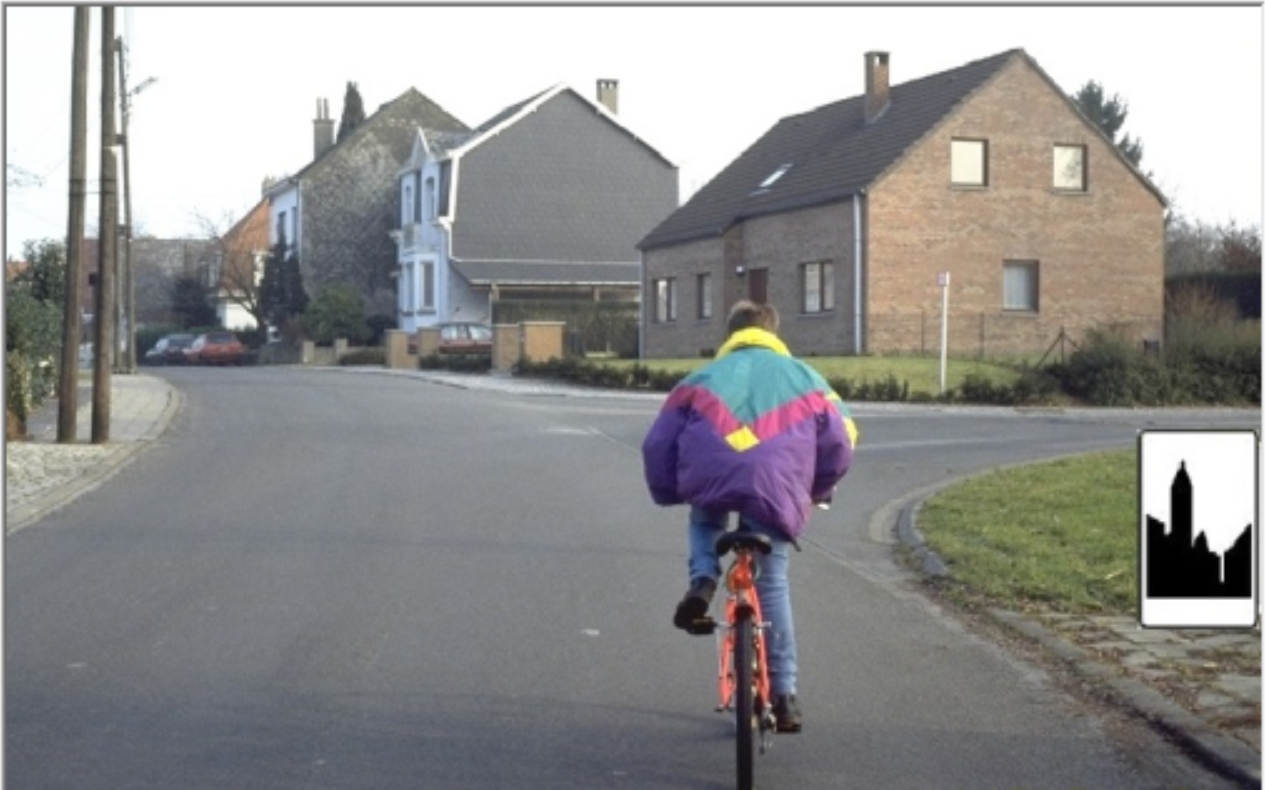
Can I overtake this cyclist at the intersection?
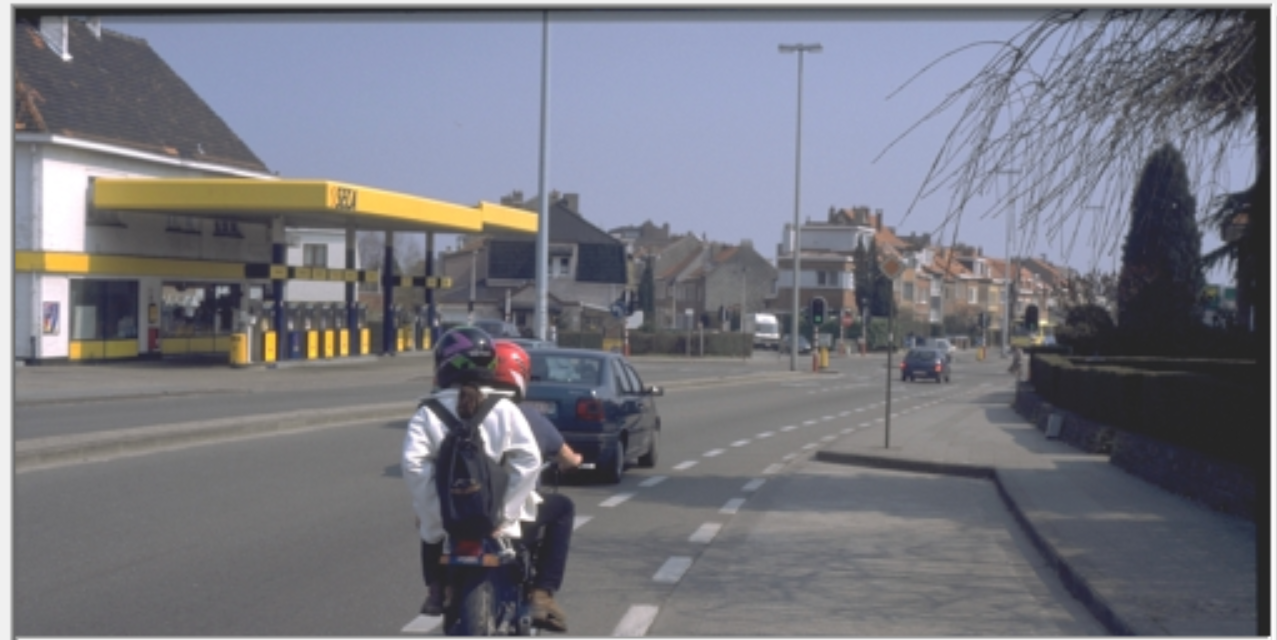
Explanation: Overtaking a cyclist at a built-up area intersection is permitted as long as it is safe to do so. However, overtaking motorized or large vehicles (such as cars or motorcycles) at a intersection where the right-of-way rule applies is prohibited. Here, as it concerns a cyclist and not a motorized vehicle, overtaking is permitted, but caution is required, especially if the cyclist is a child, as they can be unpredictable. Tip: 👉 “Cyclist in a built-up area: I can overtake carefully, but not cars or motorcycles.”
On this public road located outside the built-up area, where should I ride as a moped rider?
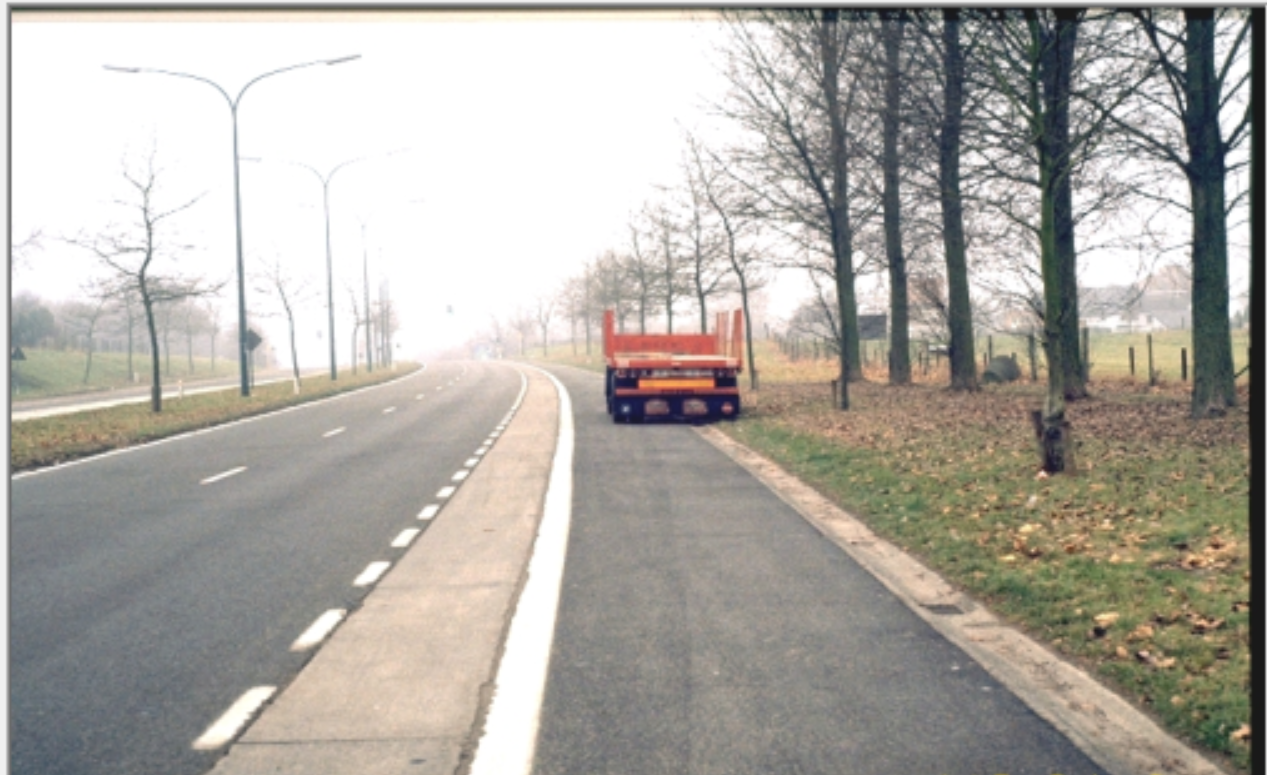
Explanation: Outside built-up areas, when the authorized speed for cars exceeds 50 km/h (as here, where it is a maximum of 120 km/h), class B mopeds (capable of traveling at more than 25 km/h) must use the cycle path, if it is present and passable. Tip: 👉 “If the speed exceeds 50 km/h and there is a cycle path, I must use it.”
I need to go to Brussels. Which direction should I take?
Explanation: The road sign clearly indicates that Brussels can be reached by following the right-hand direction via the N2 road. Tip: 👉 “I read the signs carefully and follow the indicated direction.”
When driving during the day, which light should I use at the front?
Explanation: The dipped beam headlight is used during the day to ensure your visibility, particularly on roads outside built-up areas or in poor visibility. The position light is insufficient to be clearly seen by other road users, and the high beam is reserved for night-time situations or in the absence of public lighting. Tip: 👉 “During the day: dipped beam headlight to be clearly seen on the road.”
I want to turn left at this intersection. Do I have priority over horse riders?
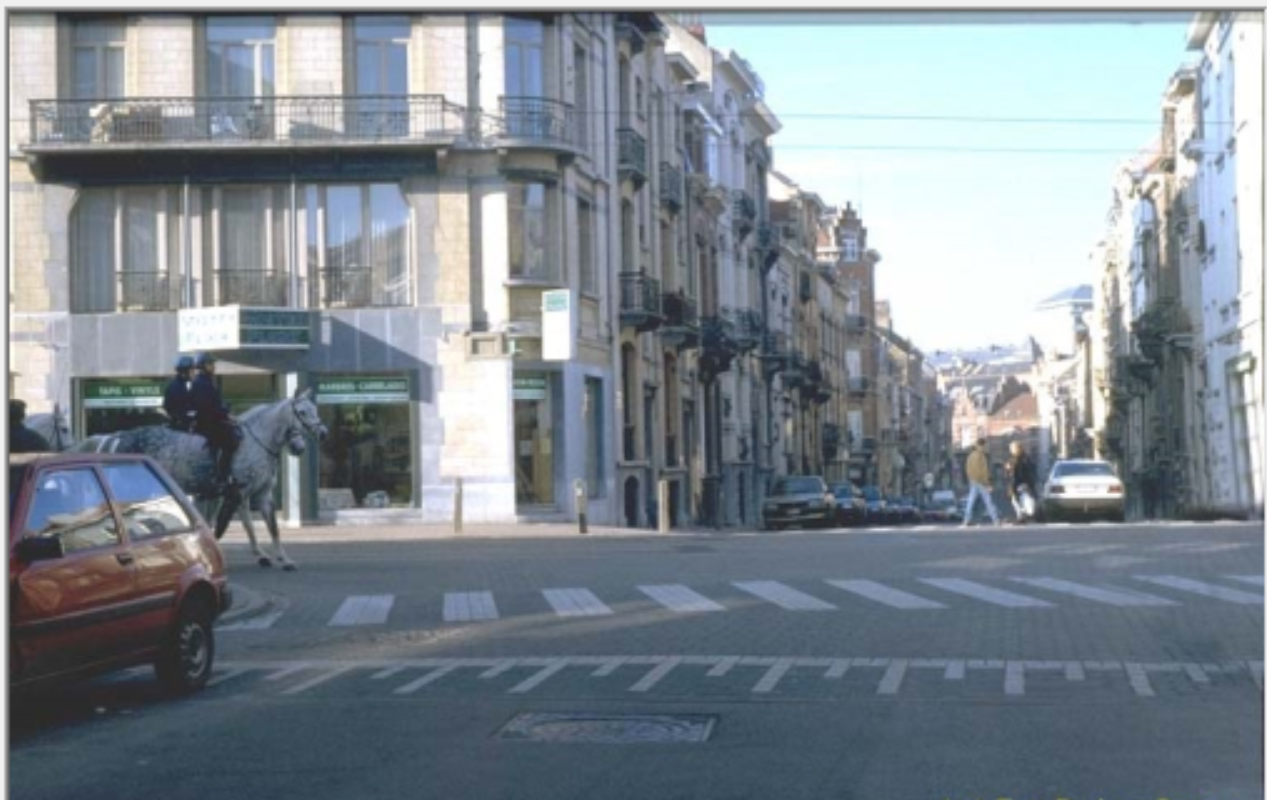
Explanation: Riders are selected as drivers, and the right-of-way rule applies. If the rider is coming from your right, they have right-of-way, but here you are on the right-of-way road and the rider is coming from the opposite direction. When turning left, you maintain right-of-way because the rider has no specific right-of-way. Tip: 👉 “Riders = drivers. I respect the right-of-way rule or the right-of-way rule depending on the situation.”
How old do I have to be to take a 12-year-old passenger on a moped?
Explanation: To carry a passenger on a moped, you must be at least 18 years old. The passenger must also be properly equipped (helmet, suitable seating position). Tip: 👉 “Passenger = adult driver with suitable equipment.”
The vehicle coming in on my right is turning right. Do I have priority?
Explanation: Right of way applies in this situation, even if the vehicle on your right is turning right. You must yield to it because it is coming from your right. The fact that it is turning does not change the right of way rule. Tip: 👉 “Right of way always applies, even if the other vehicle is turning right.”
I want to turn left at this intersection, and the oncoming driver is also turning left. How should I pass him?
Explanation: At an intersection, when an oncoming driver turns left at the same time as you, you must pass them on the right (i.e., “going around” the vehicle). This helps avoid a dangerous crossing in the middle of the intersection. Tip: 👉 “I pass on the right to avoid blocking the intersection.”
The cars on the right are parked. Can I overtake the tram on the right while its doors are still open?
Explanation: It is permitted to overtake a stopped tram on the right when it is not possible to do so on the left, provided you drive at a moderate speed and remain attentive to passengers who may be getting on or off. You must be prepared to let a pedestrian cross or board the tram. Tip: 👉 “Overtaking the tram on the right is possible, but always at low speed and while remaining attentive to passengers.”
What does this zone signal mean?
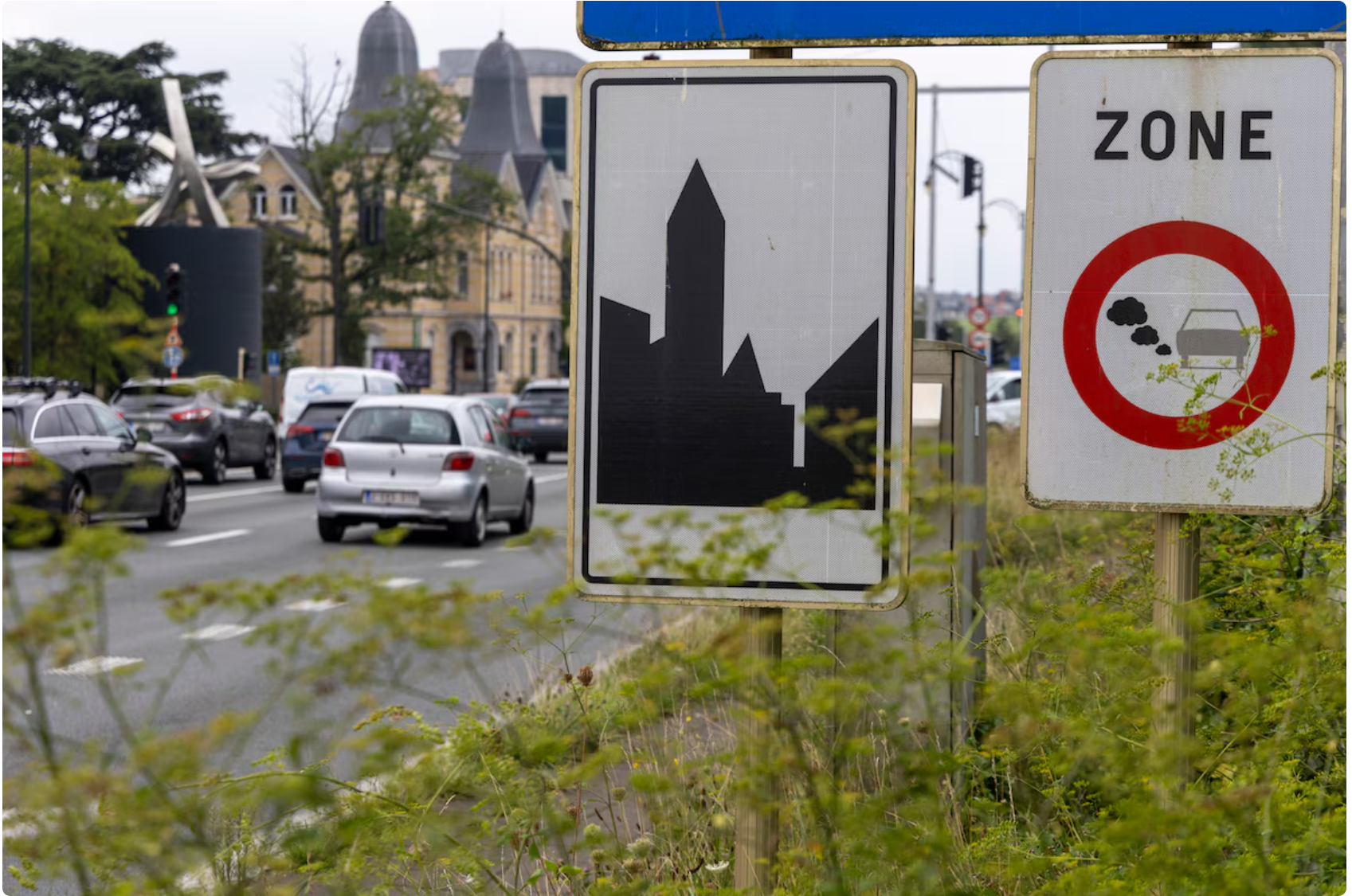
Explanation: This sign indicates a low emission zone (often called a “LEZ”). Access is restricted to vehicles that meet the defined emission standards, to reduce pollution. Tip: 👉 “Low emission zone = restricted access to preserve air quality.”
Can I overtake the cyclist in this area?
Explanation: Even on a cycle lane, it is allowed to overtake a cyclist, but you must always be very careful and make sure there is enough space to overtake safely. 🚲🚗 If in doubt, it is best to slow down and respect other road users. 👀 Tip: On a cycle lane, you can overtake a cyclist, but always remember to keep a safe distance and be aware of your surroundings. 🚴♂️⚠️
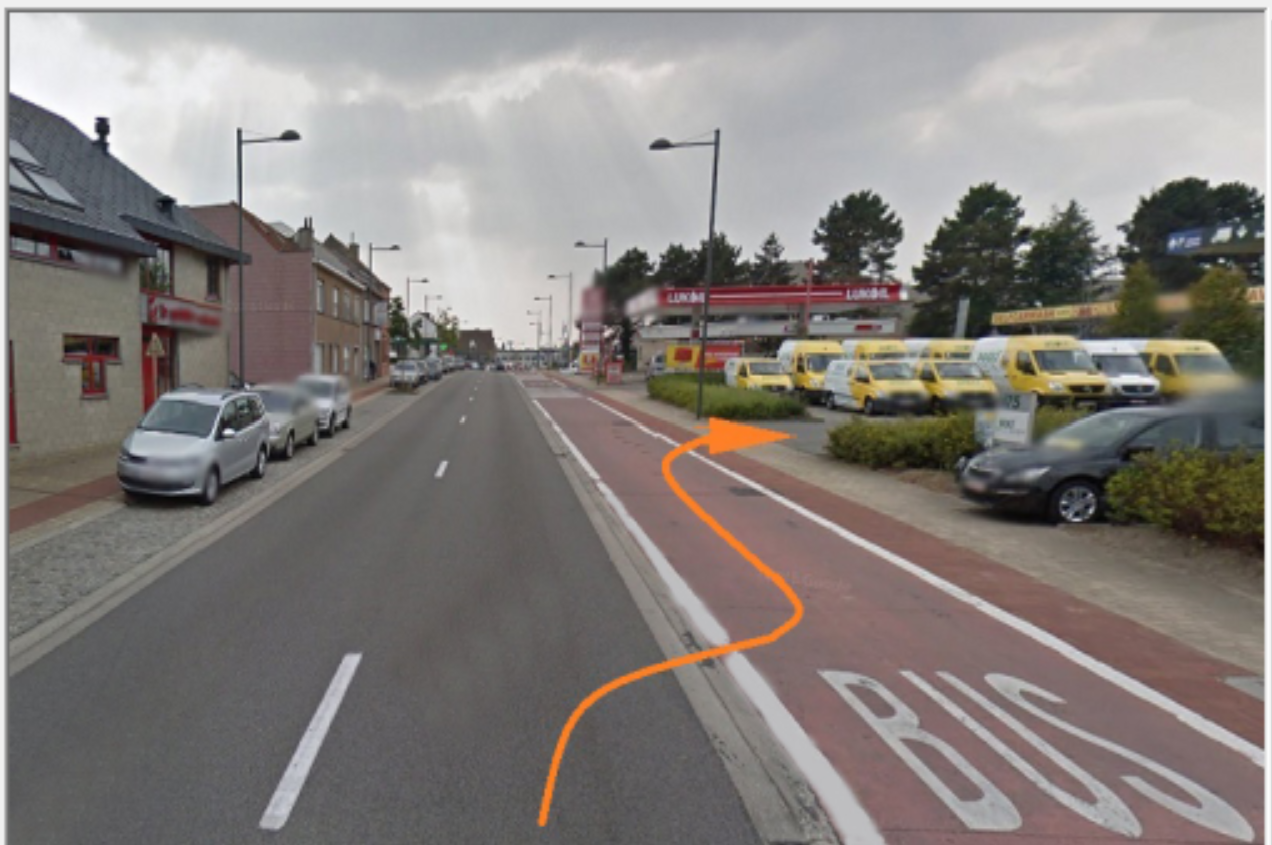
Can I use the special free-passable site to enter this parking lot (as indicated by the arrow)?
Explanation: Special lanes (such as bus, taxi, or tram lanes) cannot be used for their entire length. You can only cross them vertically to access a property or parking lot. But it is forbidden to drive on them to travel a certain distance. Tip: 👉 “I cross the bus lane for, but I never drive on it.”
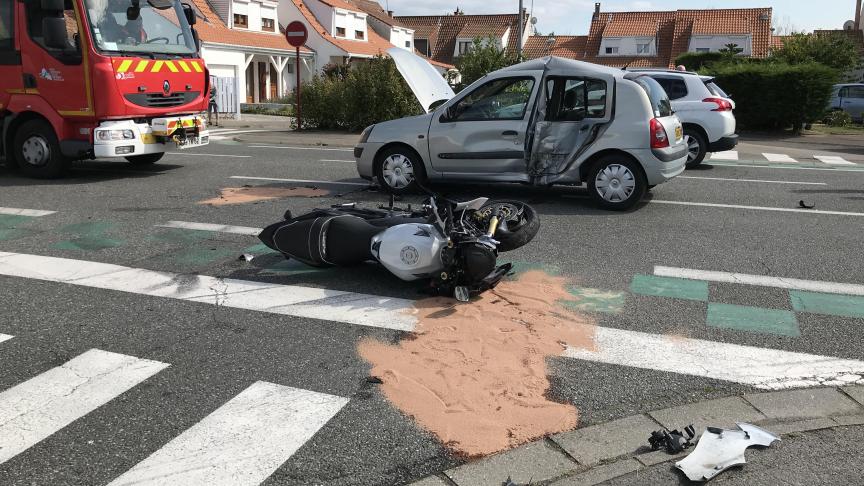
Accident with injury. I first think of
Explanation: In the event of an accident, the first priority is to ensure your own safety before intervening. This means: Protect yourself by wearing a reflective vest and marking the accident with a warning triangle. Once you are safe, you can ensure the safety of others and call for help. If you don’t think about your safety, you risk becoming another victim. Tip: 👉 “My safety first so as not to make the situation worse.”