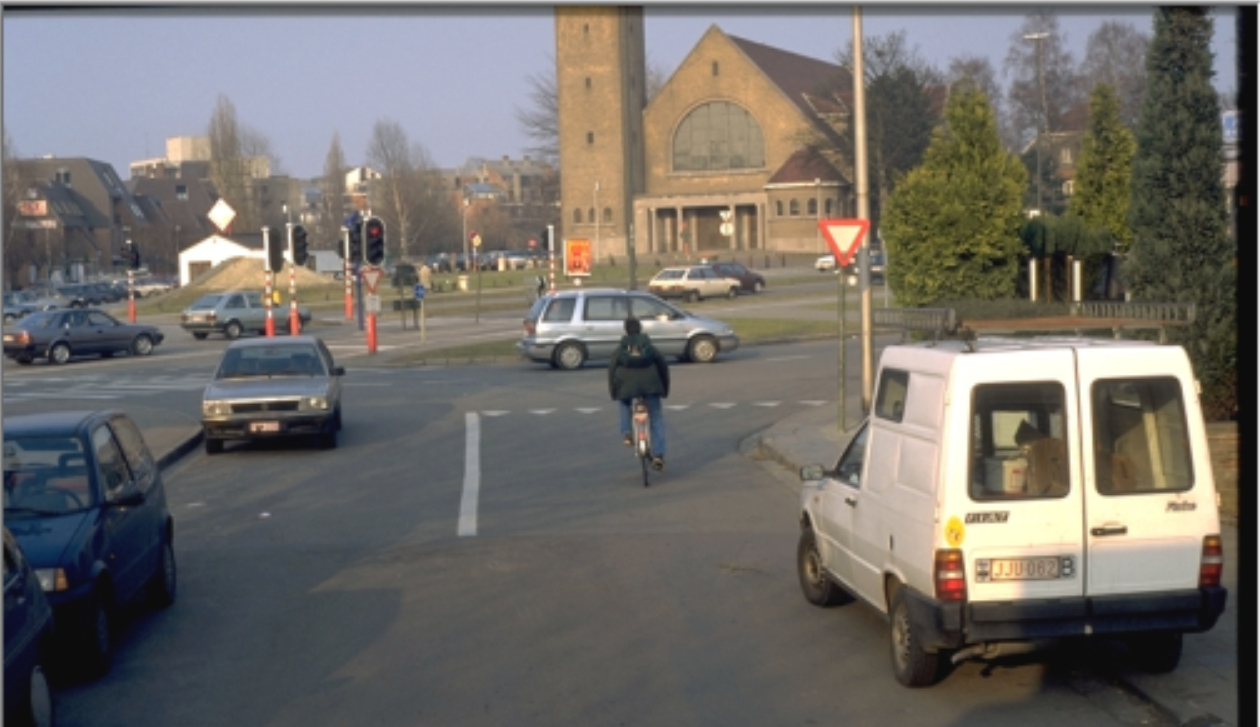
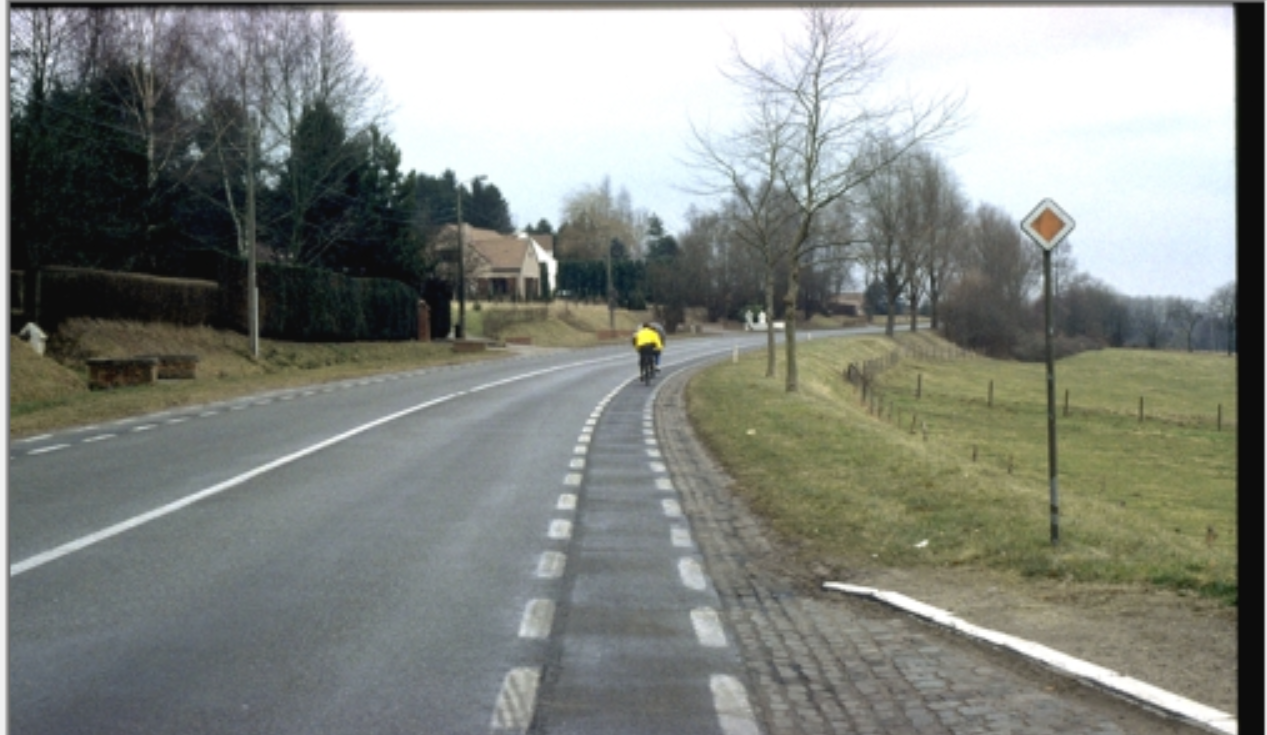
I want to overtake the cyclist at the intersection.
🛑 Explanation: It is permitted to overtake a cyclist at an unprotected intersection (without traffic lights or specific priority), as they are considered a more secure user. On the other hand, overtaking large vehicles, motorcycles, and mopeds is prohibited at this type of intersection for safety reasons. However, you must be very careful, especially if there are children or pedestrians nearby. 💡 Tips to remember: 👉 “A cyclist at an intersection can be overtaken, but always at a moderate speed.”
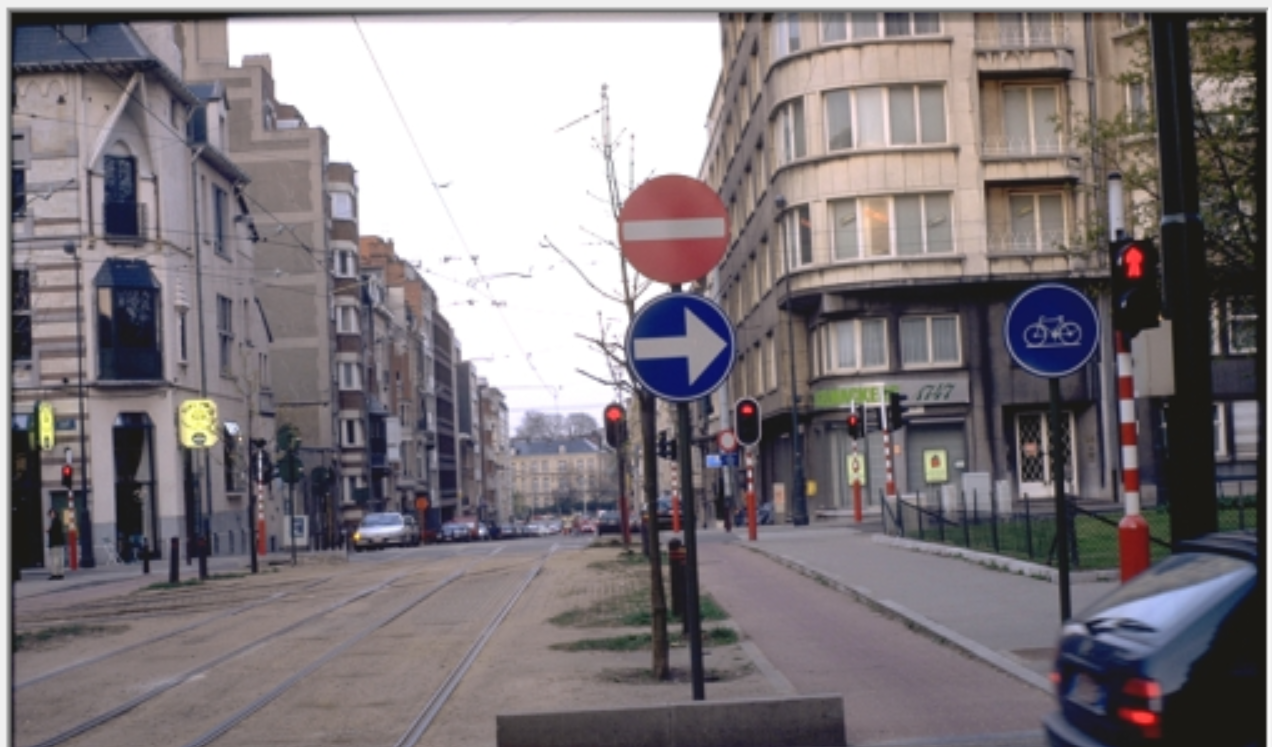
At the crossroads, I continue…
🛑 Explanation: The round blue sign with a white arrow indicates a direction obligation. Here, it requires you to turn right. This type of sign is imperative and leaves no choice. If you see this sign, continuing straight or turning left is prohibited, under penalty of an offense. 💡 Tips to remember: 👉 “A round blue sign always indicates an obligation. Follow the direction it shows without question.”
I can drive over these marks on the ground.
🛑 Explanation: Checkerboard markings on the road (demarcation zones) often represent a bus stop location and not a bus lane. These markings are part of the roadway, and vehicles must drive on them when using this lane. Do not confuse them with a bus lane (indicated by a solid line and the word “BUS”). 💡 Tips to remember: 👉 “The bus stop area is part of the road. Drive on it if necessary, taking care when passengers get on and off.”
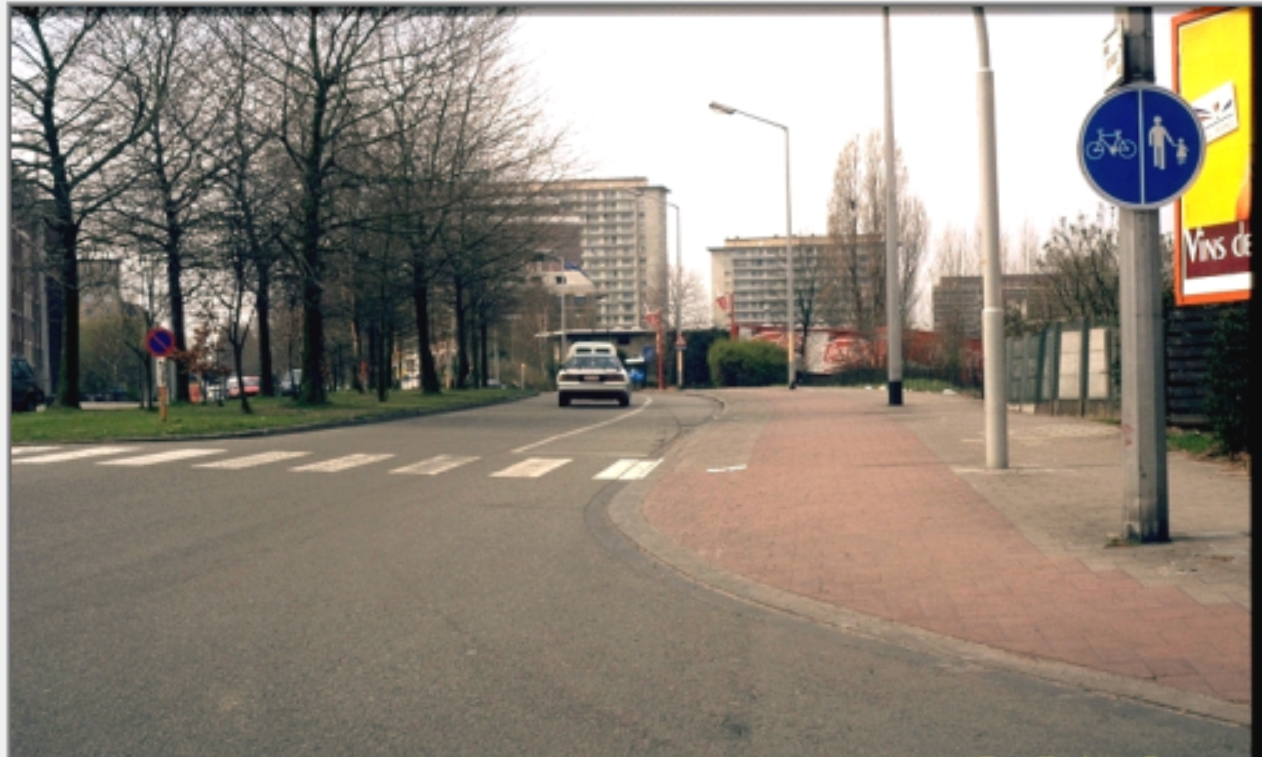
Coming out of a cycle path, I want to cross the road.
🛑 Explanation: When leaving a cycle path to cross the road, the cyclist or user must give way to all vehicles on the main road, whether these vehicles are coming from the right or the left. They do not have priority on the right. 💡 Tip to remember: 👉 “I’m leaving the path, I’m letting others pass!” — when you leave a cycle path, you are like a “guest” on the road.
When my passenger takes the so-called “sidesaddle” position, who is punishable?
Explanation: The “sidesaddle” position (passenger sitting sideways without holding on properly) is prohibited on a moped, as it represents a danger. The driver is responsible for the safety of his passenger and will therefore be penalized, as will any passenger who violates the safety rules. Tip to remember: 👉 “On a two-wheeler, the passenger must be seated properly, with their feet on the footrests.”
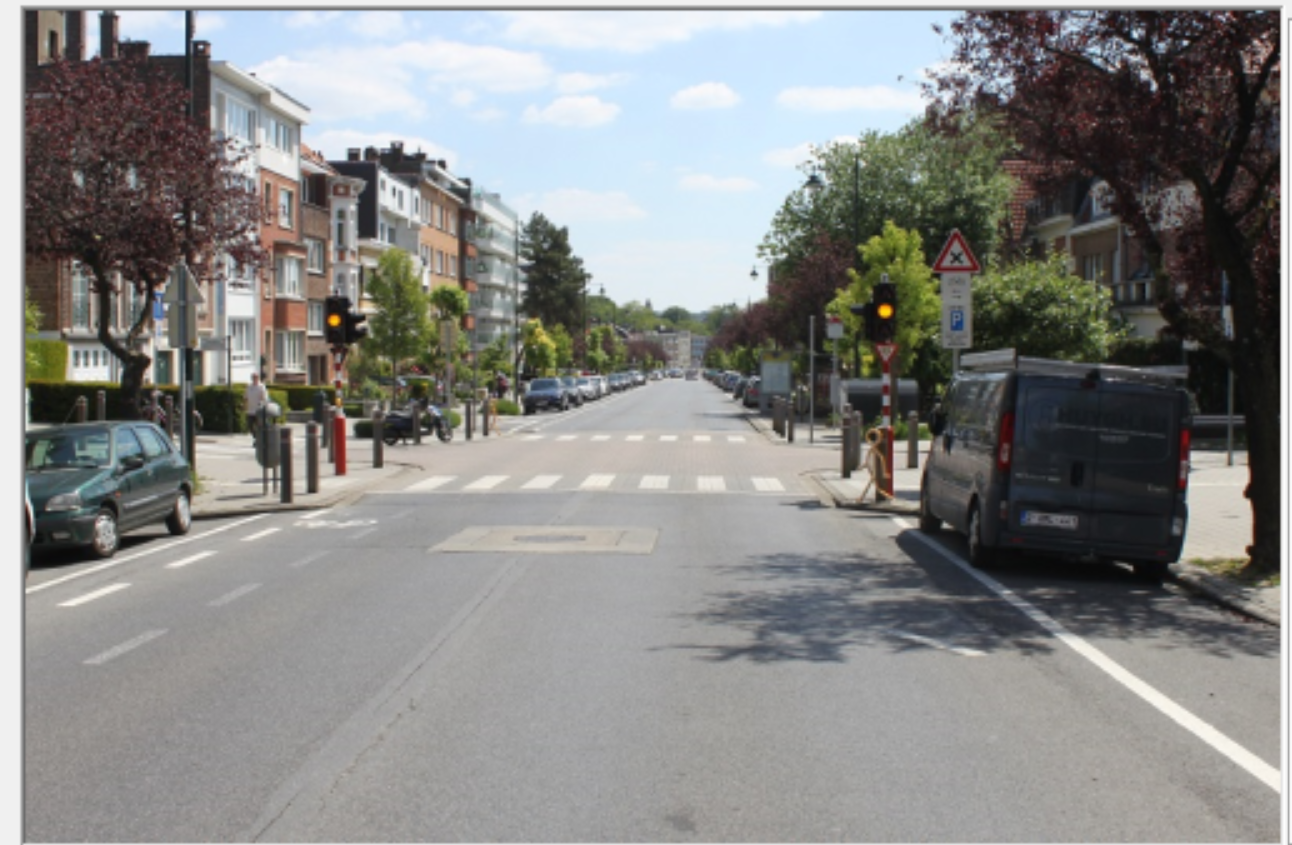
I’m driving at 40 km/h. I’m 30 meters from the light when it turns solid orange.
Explanation: At 40 km/h, 30 meters is too short a distance to stop safely (especially if the road is wet or there is heavy traffic behind you). If the light turns orange and you are that close, it is safer to continue on your way to avoid sudden braking. 💡 Tip to remember: 👉 The orange light indicates “slow down and prepare to stop”, but not at all costs if the distance is short!
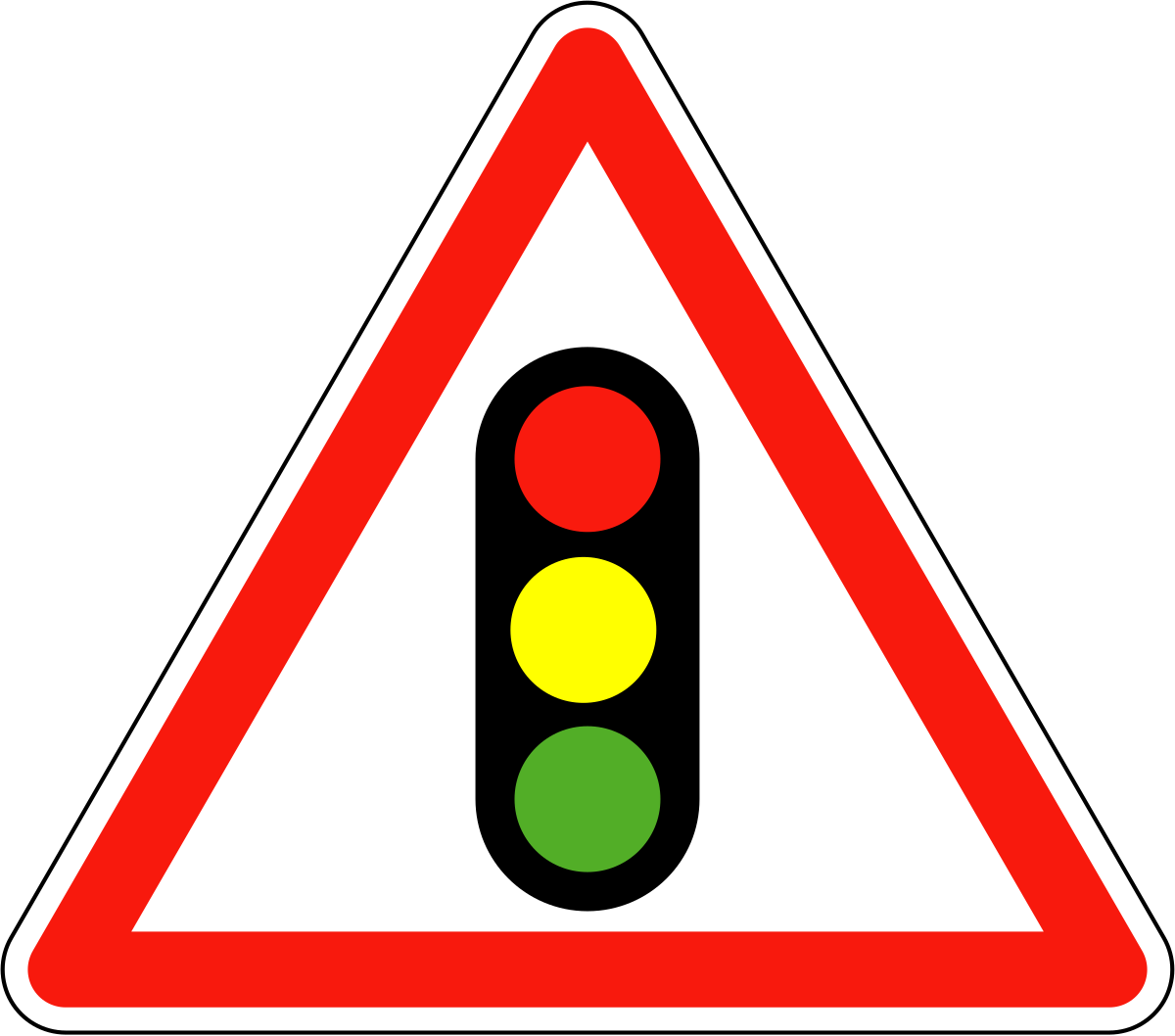
This road sign indicates a level crossing 150 meters away?
Explanation: This red triangular sign with a traffic light symbol indicates the presence of traffic light signals on the road and not a level crossing. The level crossing sign is rectangular and specific to railways. Tip to remember: 👉 “A traffic light panel only warns of a conventional traffic light.”
Can I take this route?
Explanation: This sign indicates a route reserved for cars. Cyclists, mopeds, tractors and pedestrians are not allowed on this route because it is designed only for vehicles capable of traveling at 70 km/h or more. Tip: 🚫 Remember: If you see a white car on a blue background ➡️ mopeds and bicycles are prohibited!
Can two mopeds, like these cyclists, ride two abreast?
Simple explanation: Unlike cyclists, mopeds must always ride in single file to ensure greater safety and avoid blocking traffic. Tip: 🚲 Remember: Only cyclists can ride two abreast under certain conditions, not mopeds!
Can I use this road?
Explanation: The round red sign with the prohibition of slow vehicles (tractors, etc.) indicates that this lane is reserved for vehicles capable of traveling at least 70 km/h. But light vehicles, including cars, can use this lane if they respect the authorized speed. Tip: 🚗 Remember: If you see a red circle with a high speed limit, it is for fast vehicles.
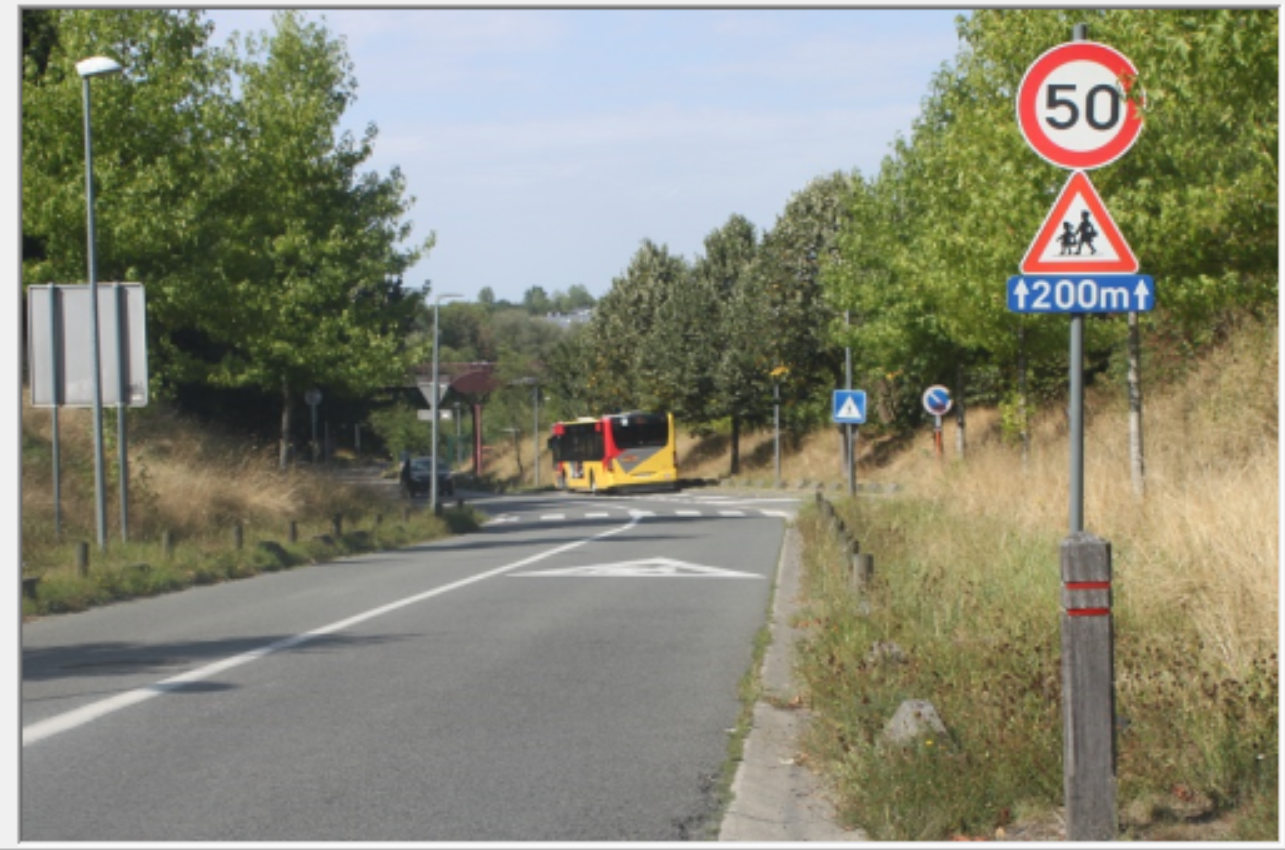
The bottom signal indicates a place frequented by children:
Explanation: The sign with the indication “200 m” with the two arrows extends over a distance of 200 meters. This alerts the driver to maintain increased vigilance over this distance. Tip: 🛑 Remember: If a number is indicated in meters with two arrows, this corresponds to the length of the danger on the road.
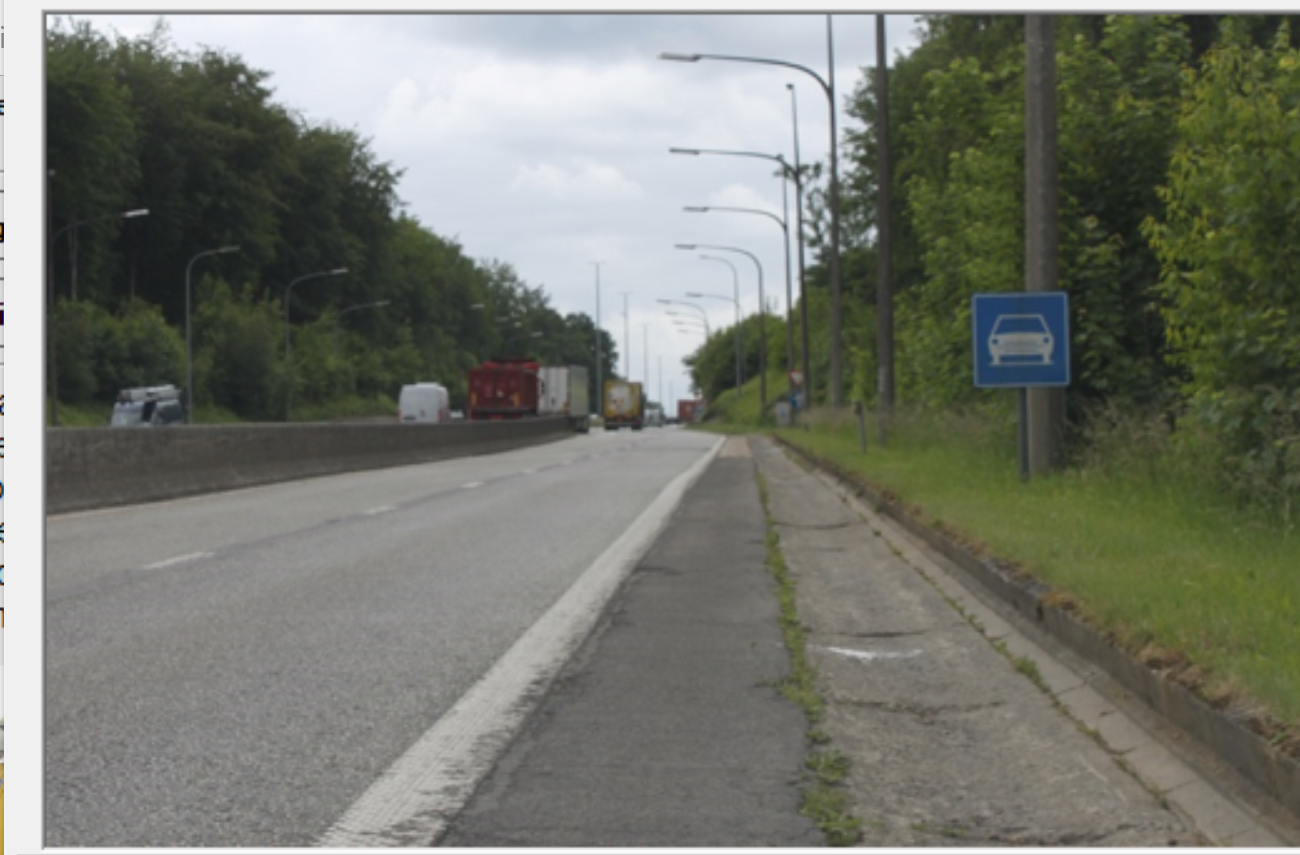
Which road can I take?
Explanation: The blue sign with a white car means that the left lane is a road for cars, which prohibits access to mopeds, bicycles, pedestrians and other borrowed vehicles. A moped must therefore use the right-hand carriageway, which is a road open to all vehicles. Tip: 🚦 Remember: If you see a **blue sign with a blue sign with a white car, it is a **road reserved for cars or fast motorized vehicles, but **mopeds are not allowed there.
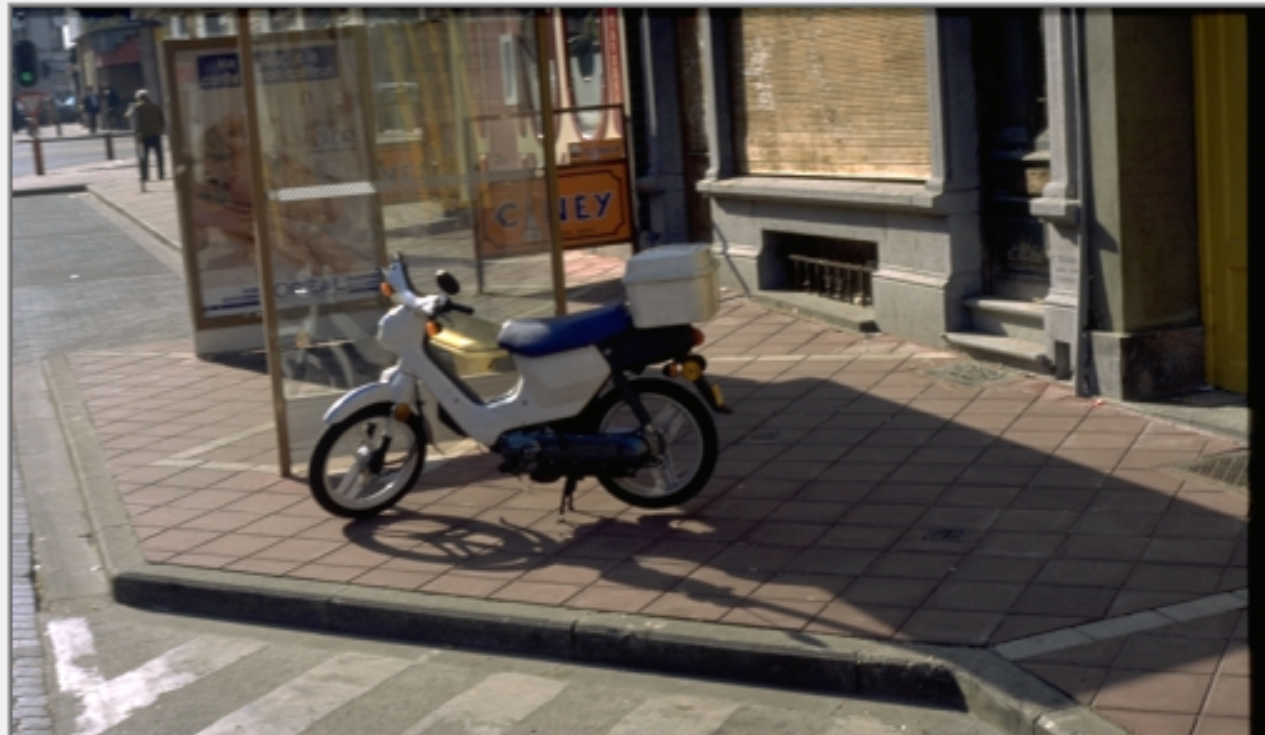
When I want to store my moped
Explanation: Light mopeds (class A and B) may be parked on the sidewalk as long as they do not obstruct pedestrians or access to buildings. However, it is recommended to use designated parking spaces. Tip: 🛵 Remember: If it is a light moped, parking on the sidewalk is permitted provided that at least 1.5 meters of clear space is left for pedestrians.
This child wants to cross the road using the cycle crossing.
Explanation: In theory, the driver has priority on the main road. However, if there is a child or a designated pedestrian or cyclist crossing, it is strongly recommended to slow down and yield if necessary to avoid any risk. Tip: 🚲 Remember: Caution first! Even if you have priority, never put a child in danger: braking is sometimes safer than exercising your right of way.
To turn left at the crossroads
Explanation: Other vehicles are stopped by a red light, which allows the driver to turn without waiting, unless there is a specific signal or visible danger. Tip: 🛑 Remember: When other lanes are stopped by a light, take the opportunity to turn if it is safe to do so, but check your blind spots!
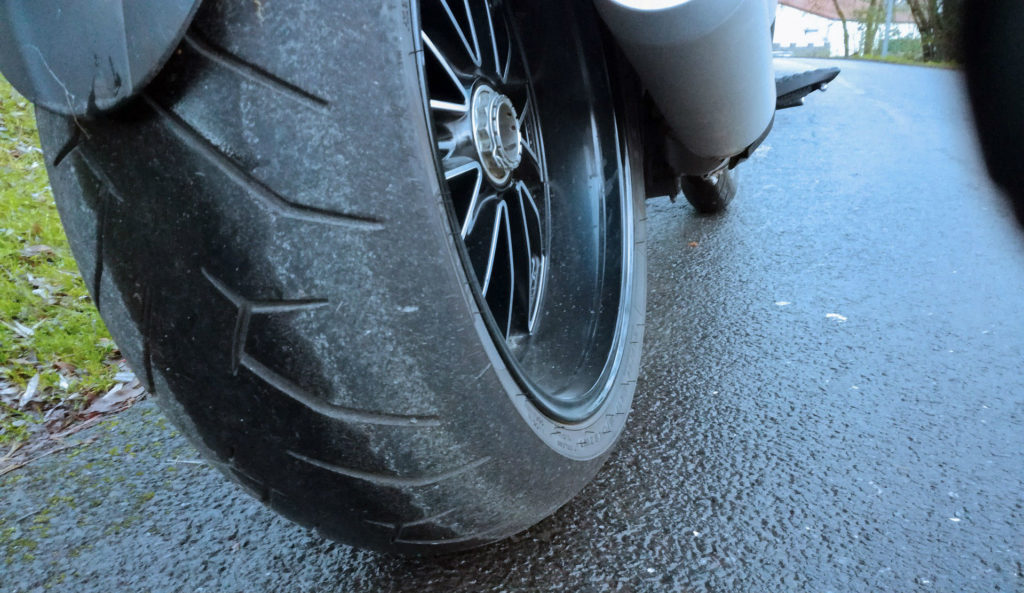
The depth of the main grooves of the tires must be at least
Explanation: For motorized two-wheelers, the minimum legal tread depth is 1 mm to ensure grip on the road, especially in wet weather. Anything below this depth can lead to loss of control. Tip: 🔧 Remember: “1 mm to stay stable!” Don’t hesitate to check with a special tool for safety.
At this intersection, the traffic lights are no longer working. Only the flashing orange light is on.
Explanation: When the lights are off or flashing orange, the driver must behave as if there were a stop sign or obey the priority signs on site. If no sign is present, the priority to the right rule applies. Tip: 🛑 Remember: If the light is flashing orange and there is a STOP sign, always stop.
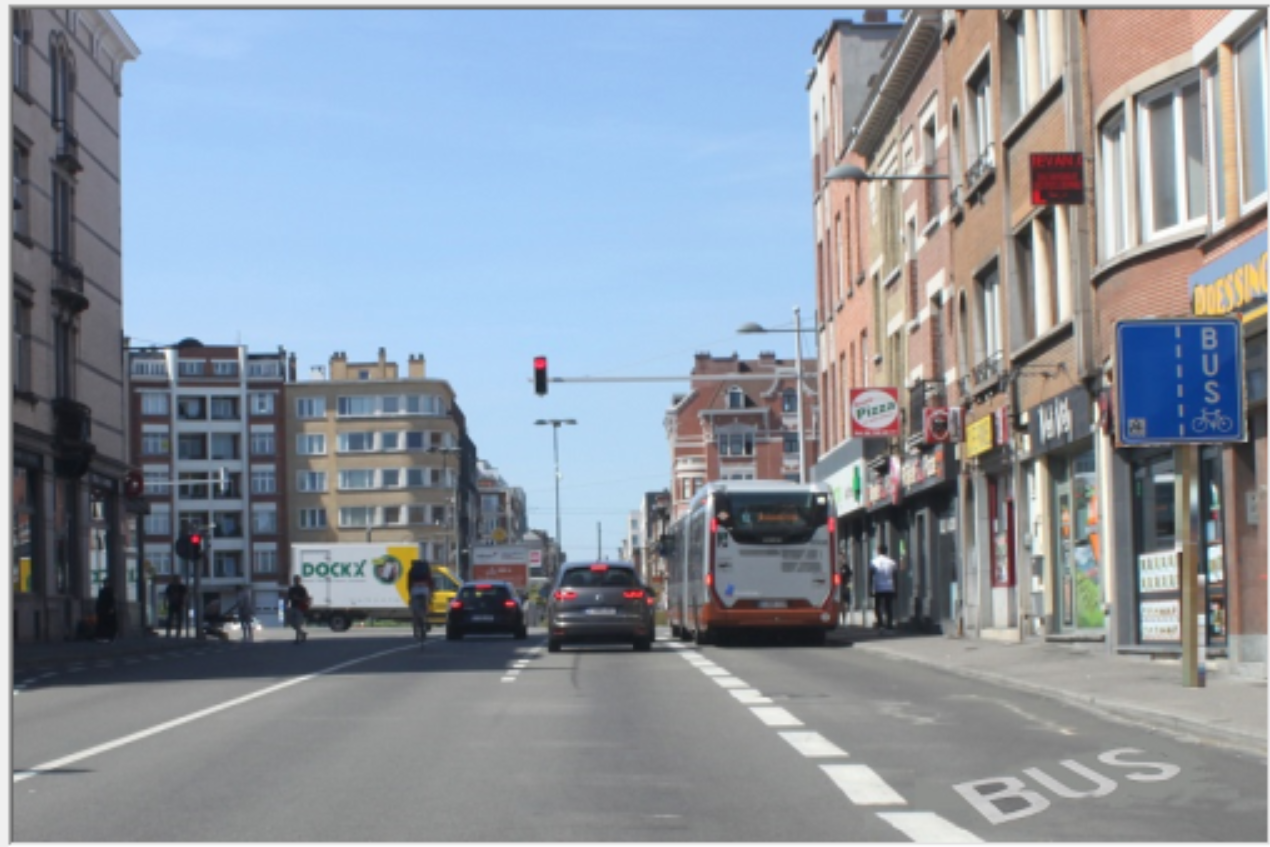
To turn right at the next intersection
Explanation: The bus lane is generally reserved for buses, but it can be used by other vehicles for the last few meters before the intersection to make a right turn. Tip: 🚌 Remember: You can use the bus lane for the last 20 meters or so to turn right, but watch out for buses.
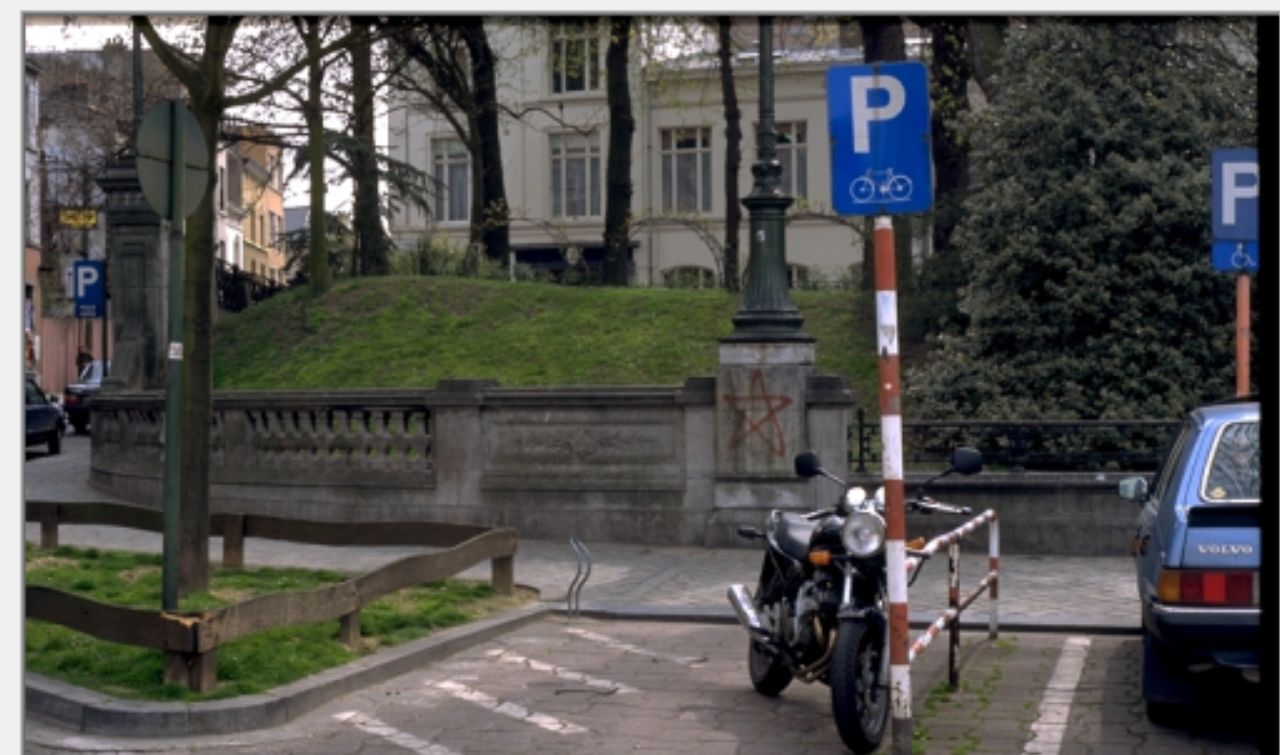
I can use this space to store my moped.
Explanation: This space is specially designed for bicycles (sign “P vélo”). Mopeds cannot park there, even if they are small. Tip: 🚲 Remember: If the sign shows a bicycle, it is only for bicycles. Look for a space marked “cyclo” to park your moped.
I want to use this cycle path in the city.
Explanation: When a cycle path is marked as accessible to Class A mopeds, this is permitted. The round blue sign with a bicycle pictogram and a moped indicates this possibility. Tip: 🔵 Remember: If the sign shows a bicycle AND a moped, you can use the path. If only one bicycle is shown, it is reserved for bicycles.
When my moped breaks down and I push it by hand, I prefer to borrow
Explanation: When a moped breaks down and you push it, you become a pedestrian. You must then use the sidewalk if it is passable. If the sidewalk is impassable, the roadway can be used with caution. Tip: 🚶 Remember: If you are on foot, use the sidewalk! If you push your vehicle, it is as if you were walking.
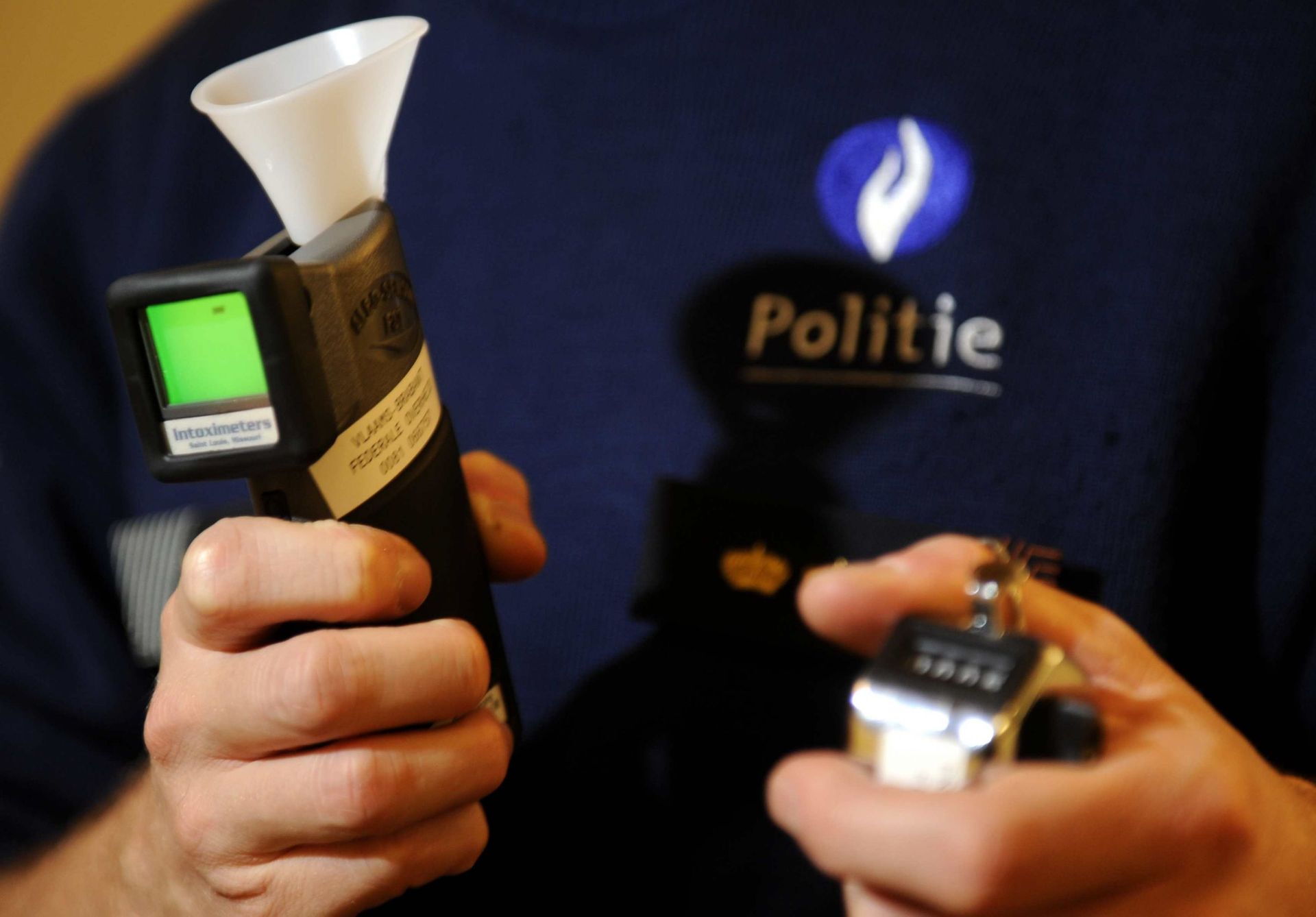
Refusing the breath test when preparing to drive automatically results in a temporary driving ban.
Explanation: If you refuse a breath test, you are immediately banned from driving for a period of six hours. This allows the authorities to ensure that the driver will not drive again under the influence of alcohol. Tip: 🚫 Remember: Refusing is already a serious offense. It’s better to cooperate and avoid more serious penalties.
Riding on the cycle path, I want to overtake the cyclist
Explanation: When overtaking a cyclist, it is important to maintain a safety distance of at least 1 meter in built-up areas and 1.5 meters outside built-up areas. If the cycle path does not allow safe overtaking, you must temporarily use the roadway. Tip: 🚴 Remember: Always keep enough distance to protect the cyclist, even if this means leaving the path.
To turn right at the crossroads, I start
Explanation: Before any maneuver, it is essential to check your surroundings in the rearview mirror to see if a user is approaching from behind. Once this is done, activate the direction indicator to signal your intention. Tip: 🪞 Remember: “Mirror, indicator, action.” Always see before you signal and act.
Tire treads are used to
Explanation: Tire treads channel and evacuate water to prevent hydroplaning and ensure better grip on wet roads. Tip: 💧 Remember: Grooves evacuate water and reduce the risk of slipping. On a smooth tire, the water stays and causes hydroplaning.
In case of snow or ice, it is advisable to reduce tire pressure for better grip.
Explanation: Reducing tire pressure does not improve grip. On the contrary, it can compromise the vehicle’s stability. It is recommended to use tires suitable for winter conditions (snow tires). Tip: 🛞 Remember: Always maintain the correct pressure. If it’s snowy or icy, choose winter tires and adjust your speed.
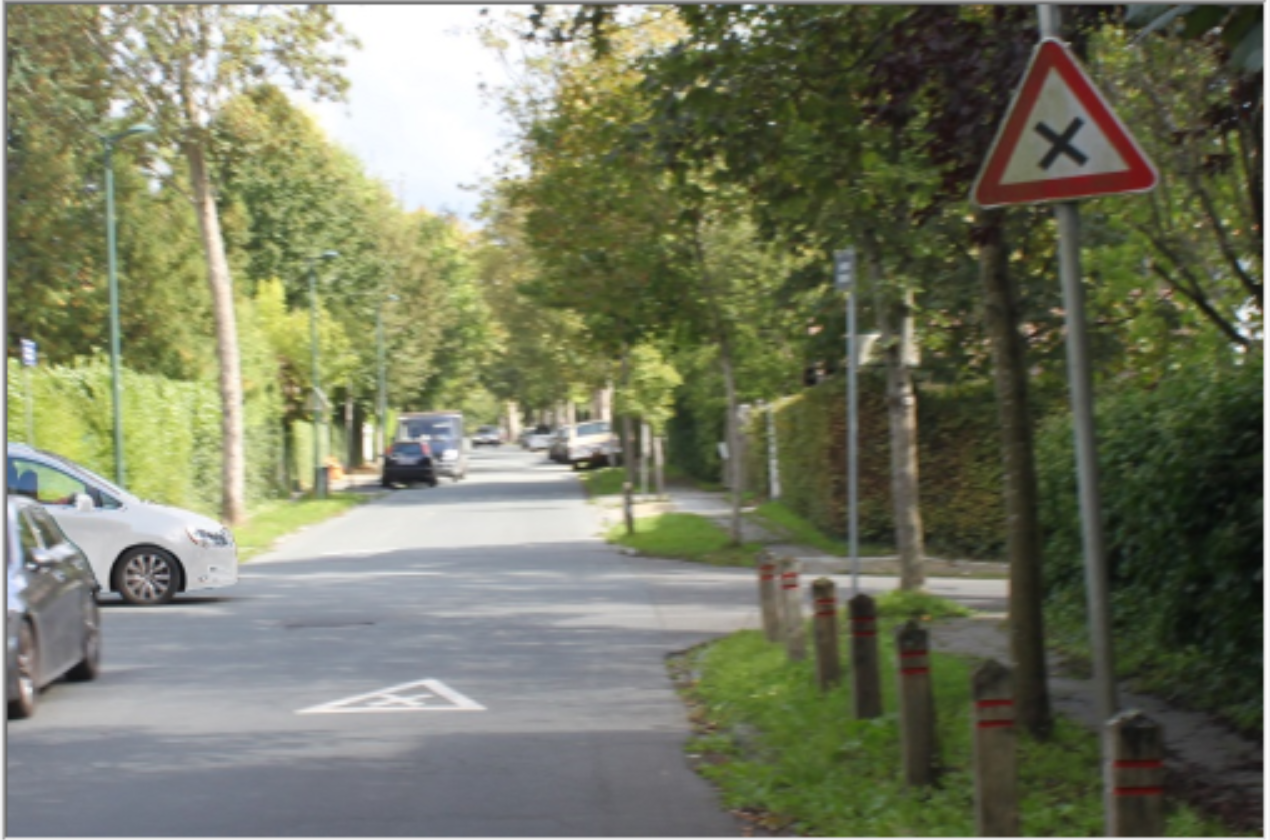
This signal, supplemented by the additional panel, means
Explanation: The triangular sign indicates an intersection with priority to the right. The additional sign with the bicycle symbol reminds us that cyclists are subject to this rule. Tip: 🚲 Remember: Even cyclists must respect priority to the right, just like other vehicles.
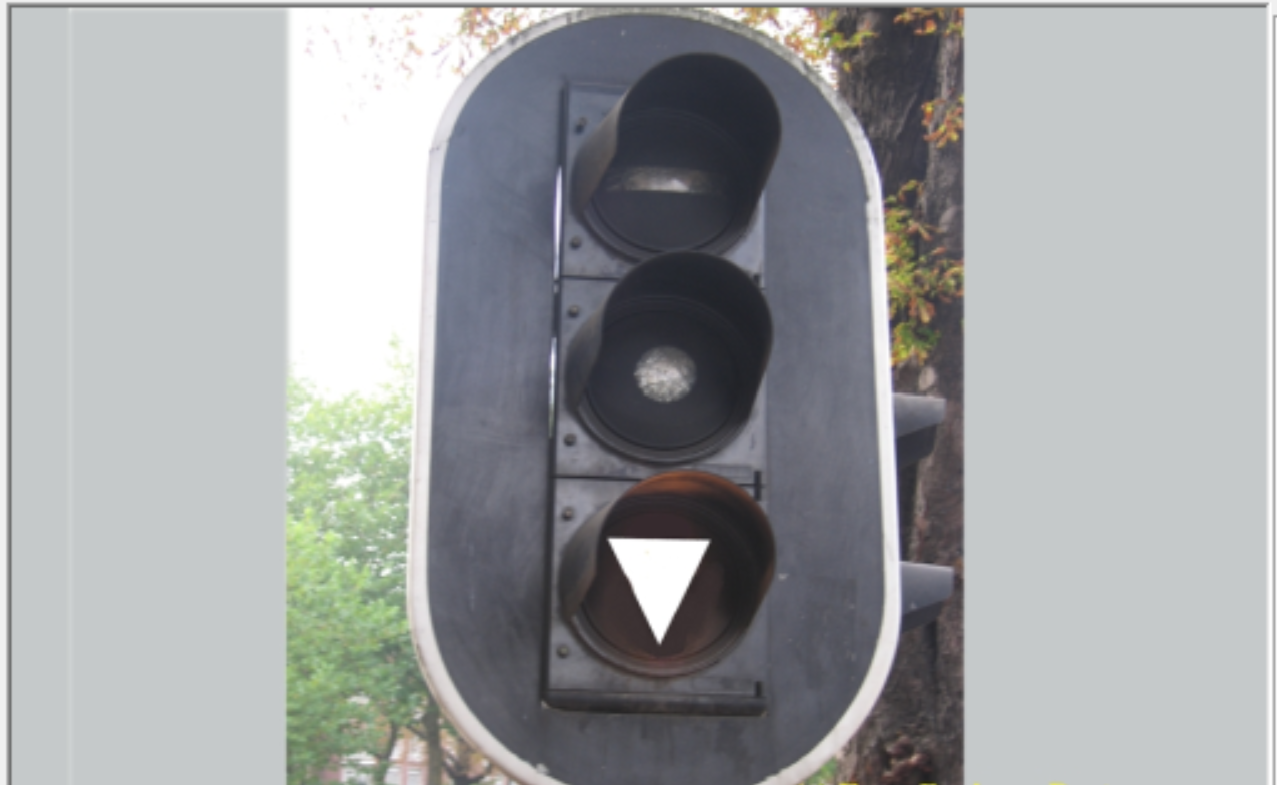
This light signal for public transport vehicles is the equivalent of a traffic light.
Explanation: This downward-pointing white triangle light is the equivalent of a green light for public transport, indicating that they can proceed. Tip: 🚍 Remember: Downward-pointing white triangle = green light for buses and trams.
When I want to change lanes to the left
Explanation: Rearview mirrors do not show all areas around the vehicle. It is important to turn your head to check the blind spot to avoid collisions with vehicles located in this invisible zone. Tip: 🔄 Remember: Always take a quick look to the left or right before changing lanes to avoid any surprises.
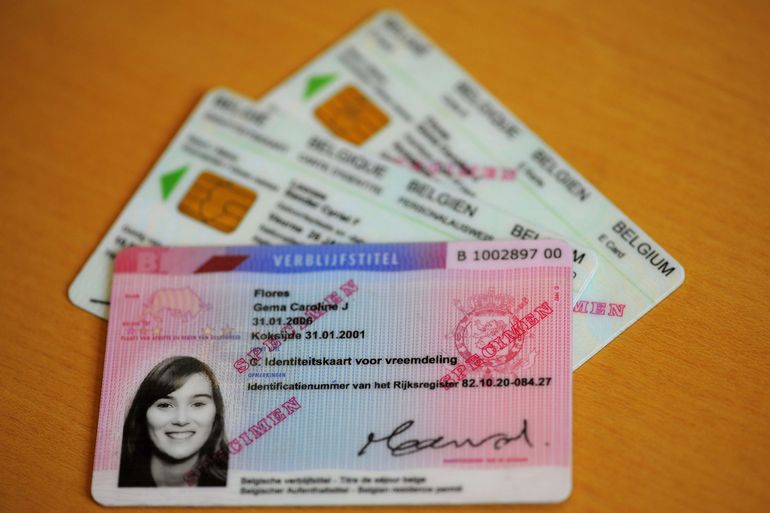
To drive, I have to
Explanation: In Belgium and many other countries, it is mandatory to have a driver’s license and a valid ID to prove your identity during a check. Tip: 🛂 Remember: Always carry your license and ID with you when driving to avoid a fine!
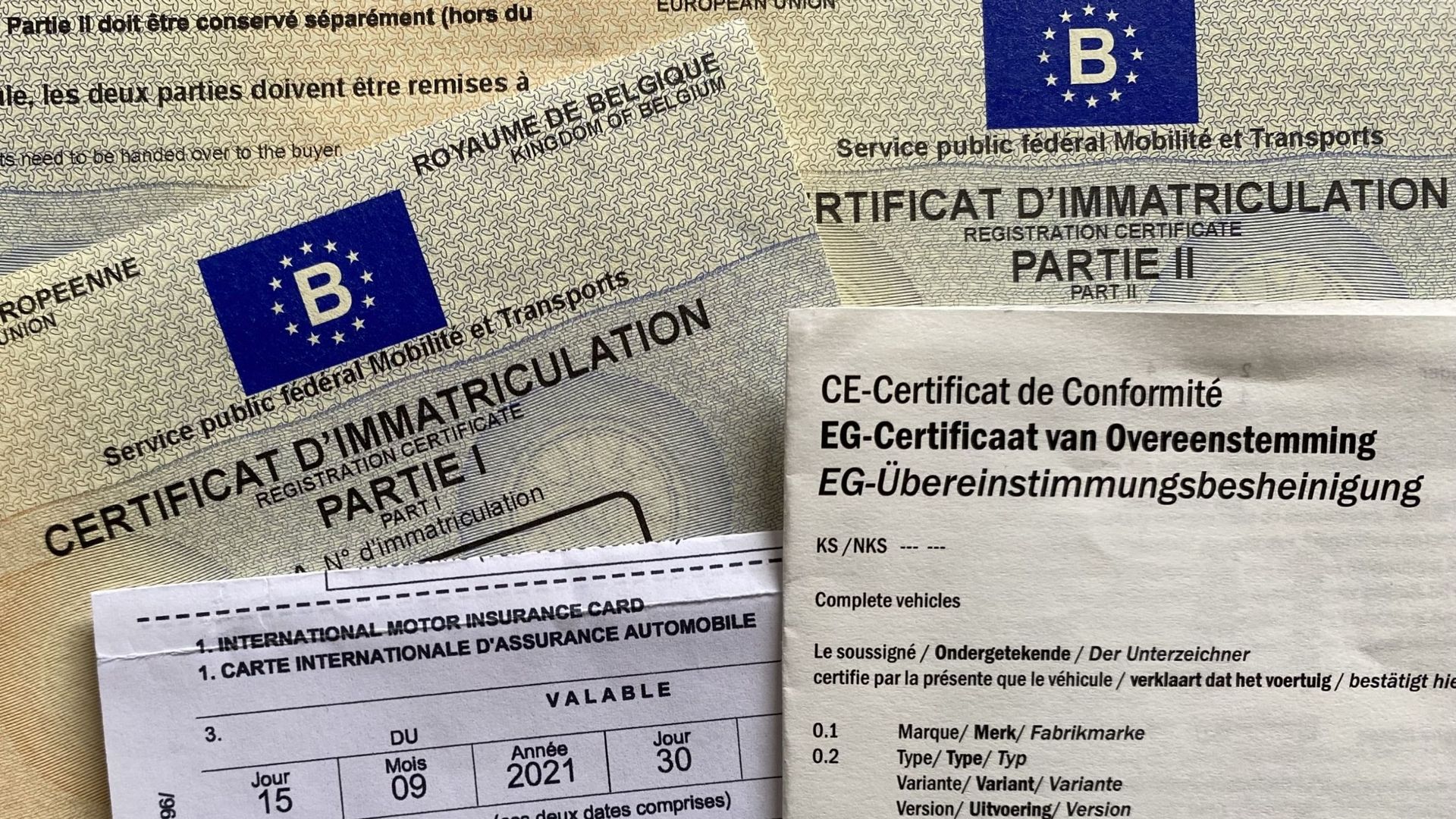
The certificate of conformity is a document by which
Explanation: The Certificate of Conformity (COC) is issued by the manufacturer and certifies that the vehicle complies with European technical standards. This document is mandatory when registering the vehicle. Tip: 🚘 Remember: COC = Manufacturer’s Certificate to prove conformity.
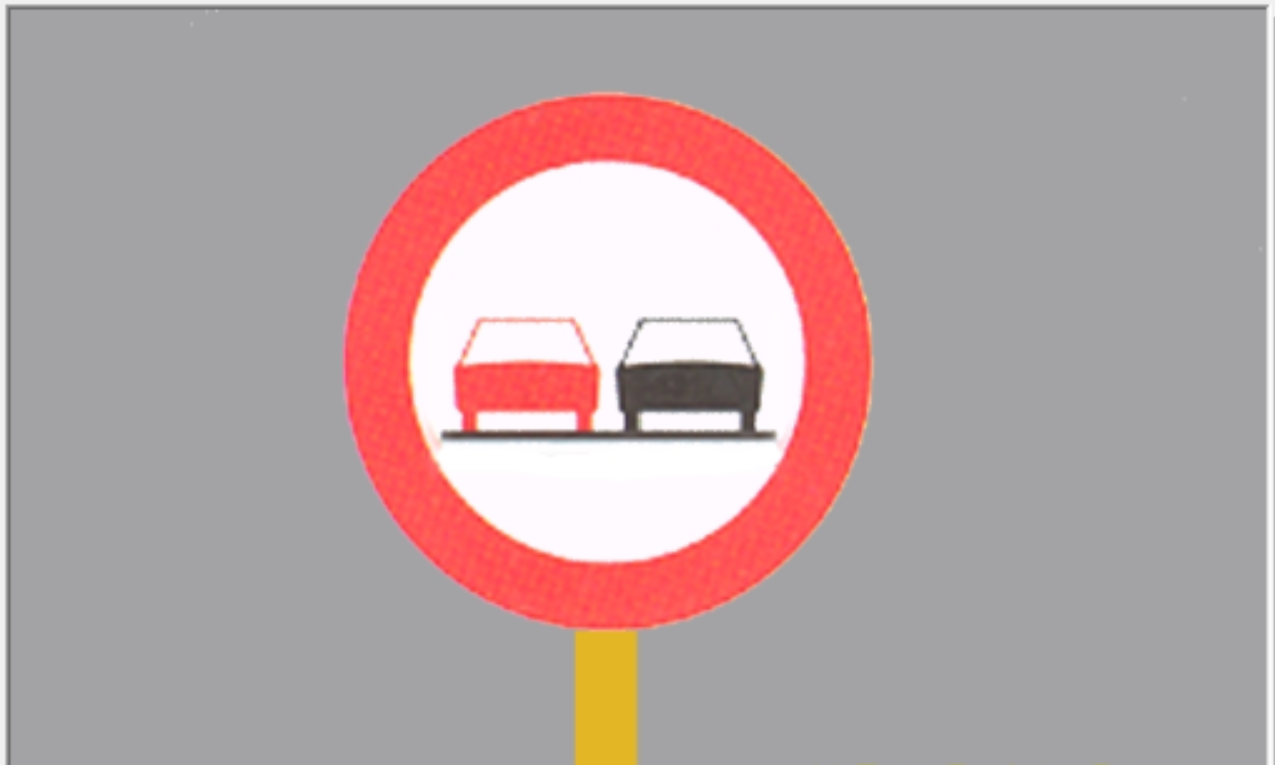
This sign prohibits the passage of wide vehicles
Explanation: This sign does not prohibit access to vehicles, but prohibits overtaking motor vehicles, with exceptions (bicycles or mopeds under certain conditions). Tip: 🚫 Remember: Two vehicles side by side on the sign = no overtaking motor vehicles. But access is still permitted.
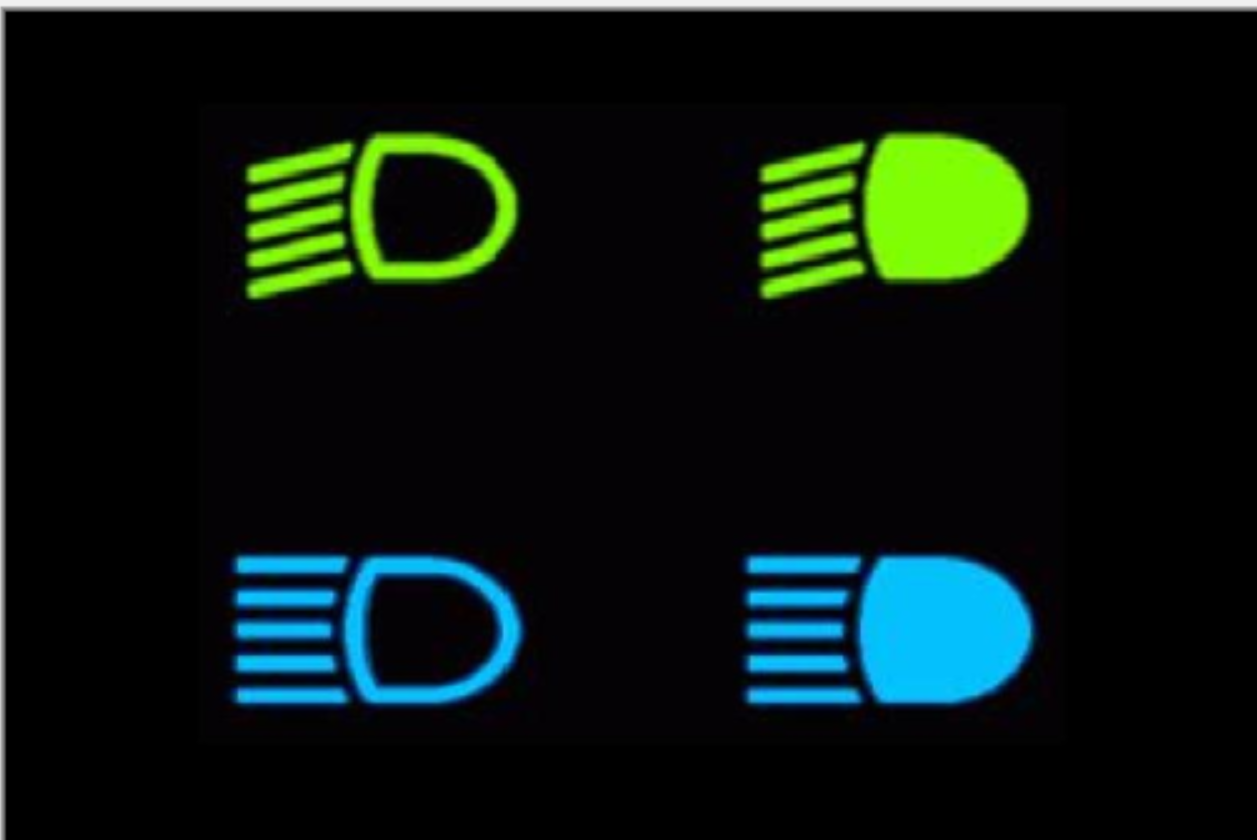
I have to turn off my high beams and replace them with low beams when
Explanation: High beams (headlights) allow you to see better in the dark on an unlit road, but they can dazzle other road users. It is therefore mandatory to switch to dipped beam headlights as soon as a vehicle is in direct proximity (50 meters) or if you pass another vehicle. Tip: 💡 Remember: “50 meters, we cross gently”: we turn off our headlights to avoid dazzling.
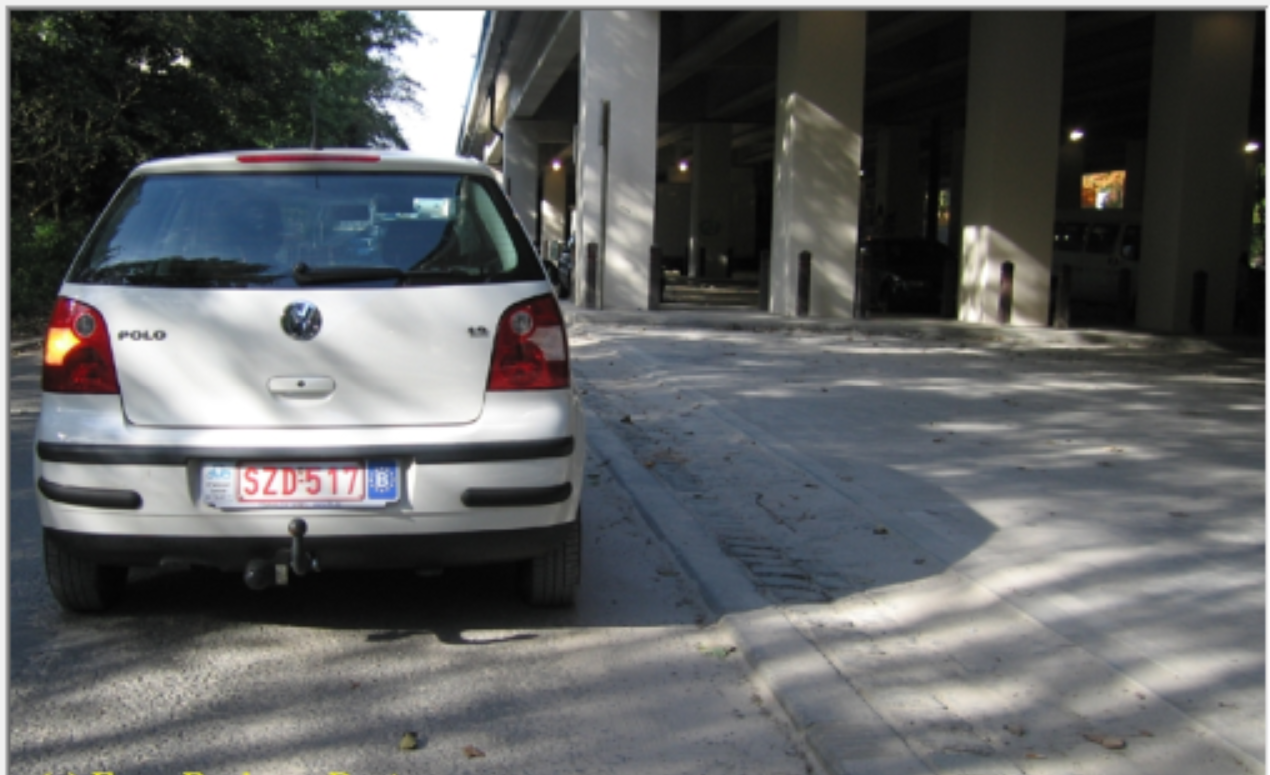
Can I pass this car on the right using the sidewalk?
Explanation: It is strictly forbidden to use the sidewalk to overtake a vehicle, even if the car is stationary. The sidewalk is reserved for pedestrians and using it exposes the driver to penalties. Tip: 🚫 Remember: “Sidewalk = pedestrian zone, never for overtaking!”
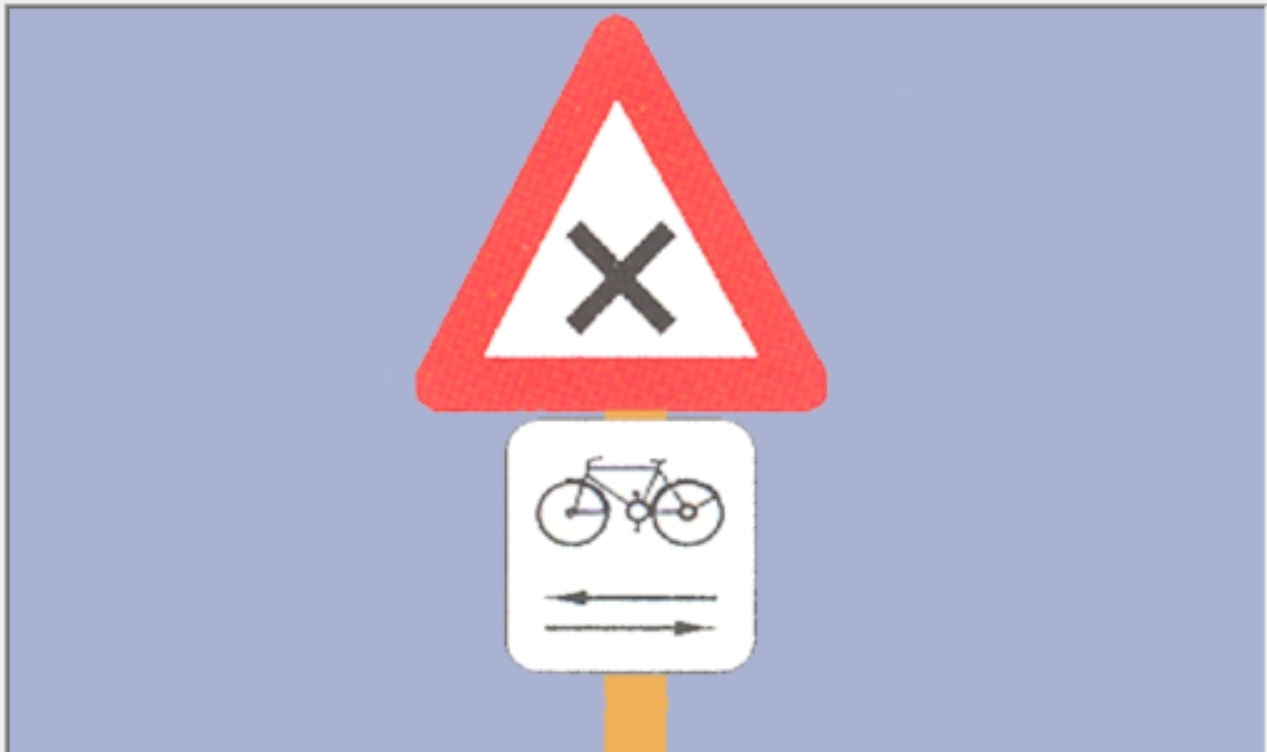
This road sign means
Explanation: The triangular sign indicates a right of way. The addition of the “cyclists in both directions” sign indicates that you must be especially vigilant, as cyclists may be approaching from both directions. Tip: 🚴♂️ Remember: “Attention, two-way for bicycles” whenever this sign is present.
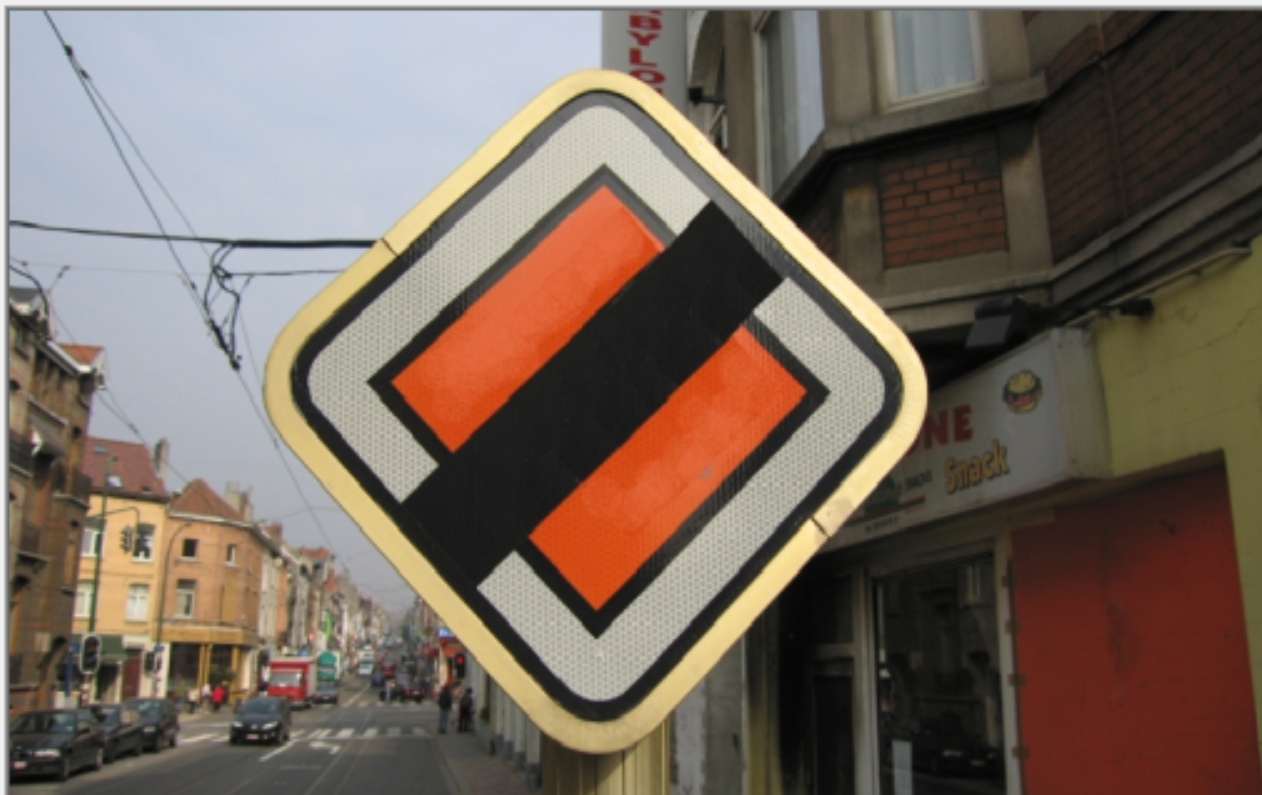
This road sign means
Explanation: This sign marks the end of a priority road section. This means that standard priority rules, including right-of-way, apply after this sign. Tip: ⚠️ Remember: “When there is a diagonal black bar, special priority ends.”
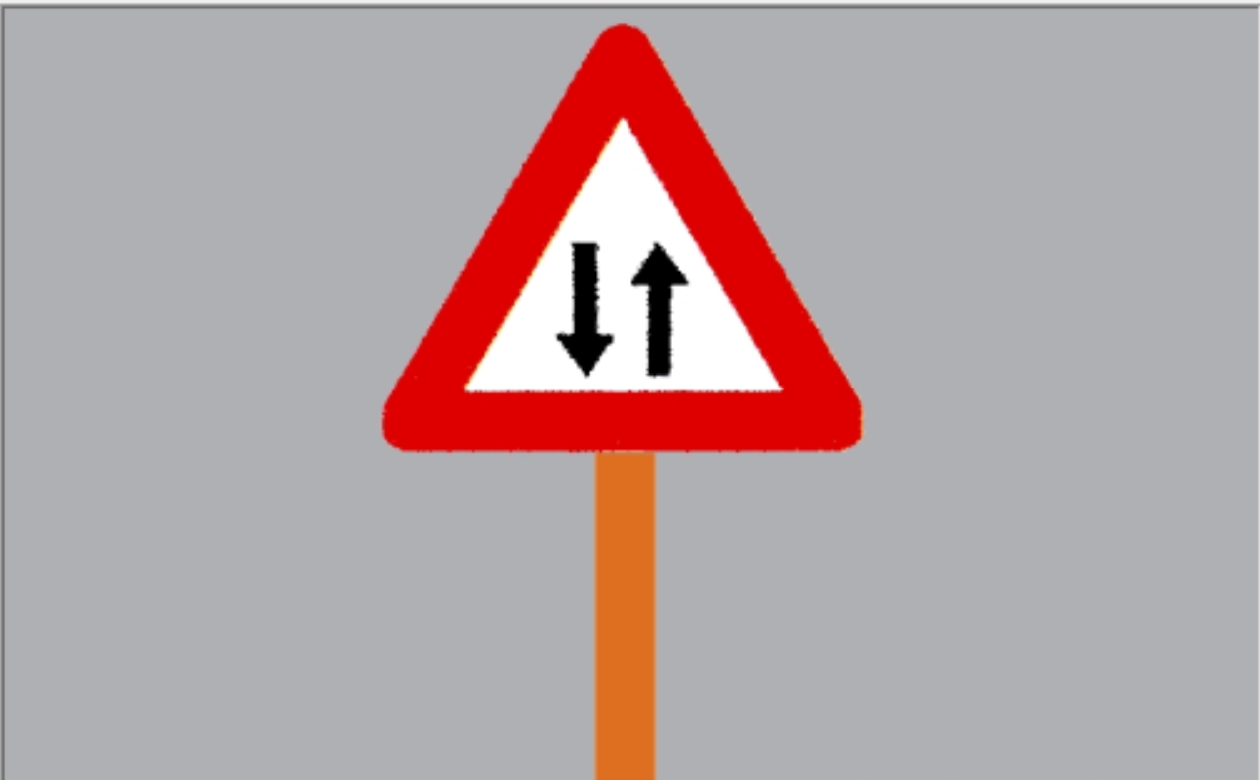
This road sign means
Explanation: This sign indicates the end of a one-way section of road and signals that traffic resumes in both directions. This requires special vigilance to avoid being surprised by oncoming vehicles. Tip: ⚠️ Remember: “Two opposing arrows = return to two-way traffic.”
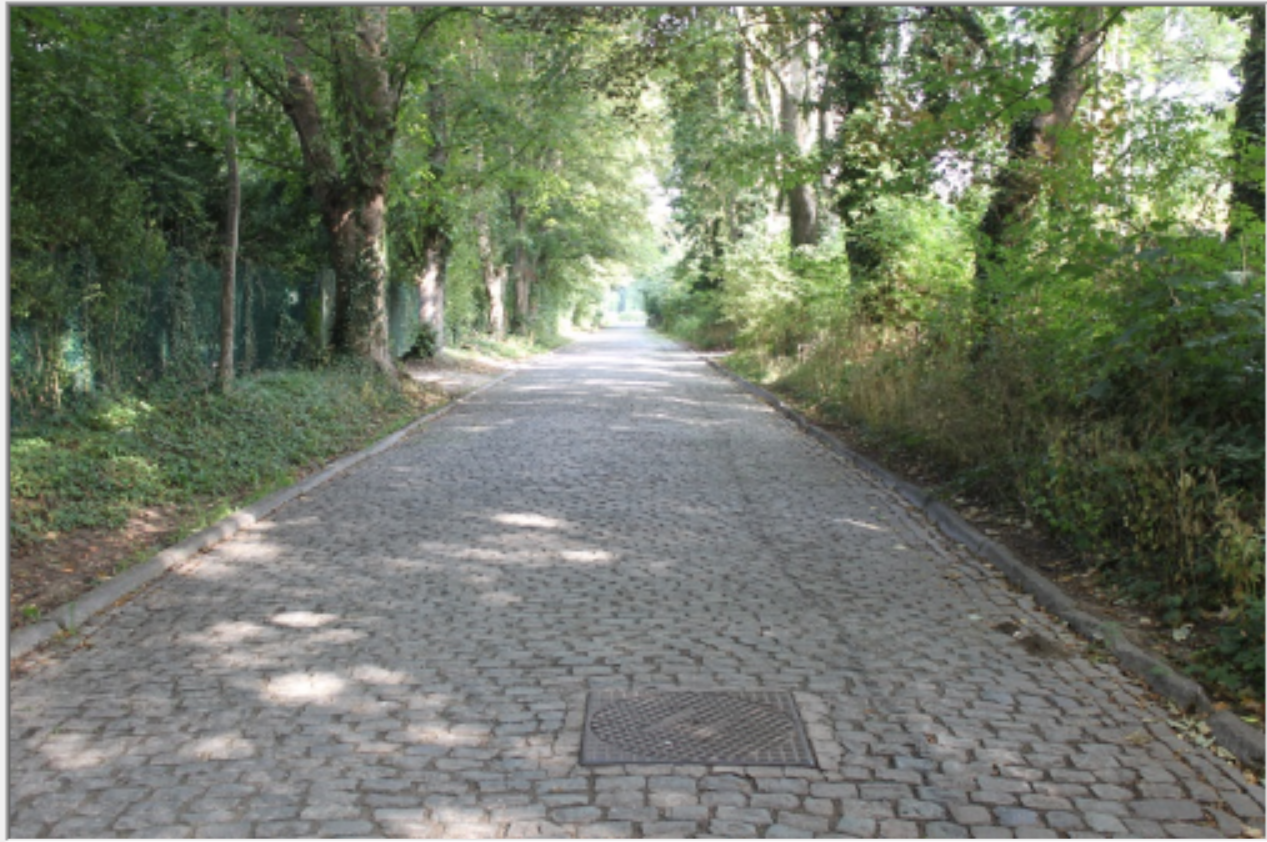
On a paved road, the distance required to stop is
Explanation: Cobblestones offer less grip than asphalt, especially in wet weather, which extends braking distance. In addition, the uneven surface of cobblestones can cause a loss of grip. Tip: 🚗 Remember: “On cobblestones, slow down to avoid a long slide.”
The width of my load is 80 cm. Is this correct?
Explanation: The maximum width allowed for loading onto a moped is generally 1 meter, distributed evenly (no more than 50 cm on each side). With a width of 80 cm, you comply with the regulations. Tip: 📏 Remember: “1 meter maximum, otherwise you will be fined.”