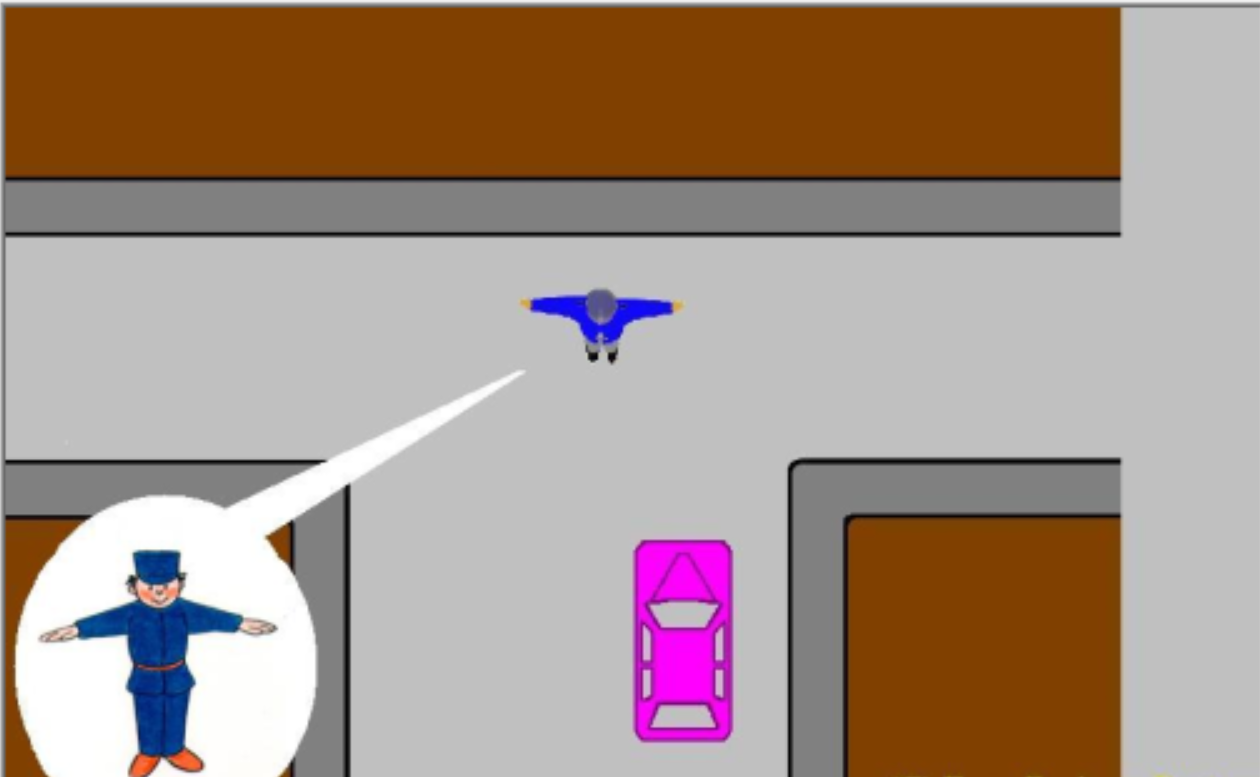
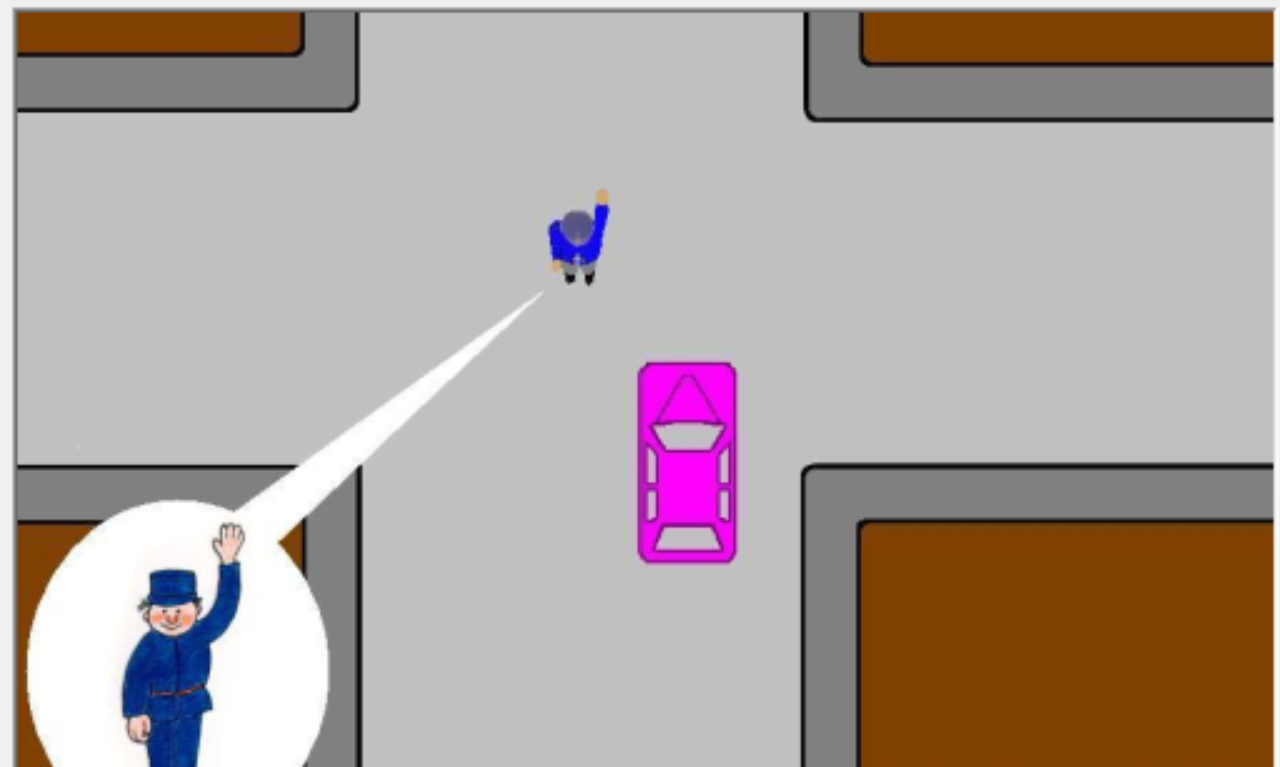
Explanation: A police officer’s back or front is the same as a red light. It prohibits traffic. Tip: If the officer’s back or front is to you, you must always stop. If his arms are outstretched, it’s a green light.
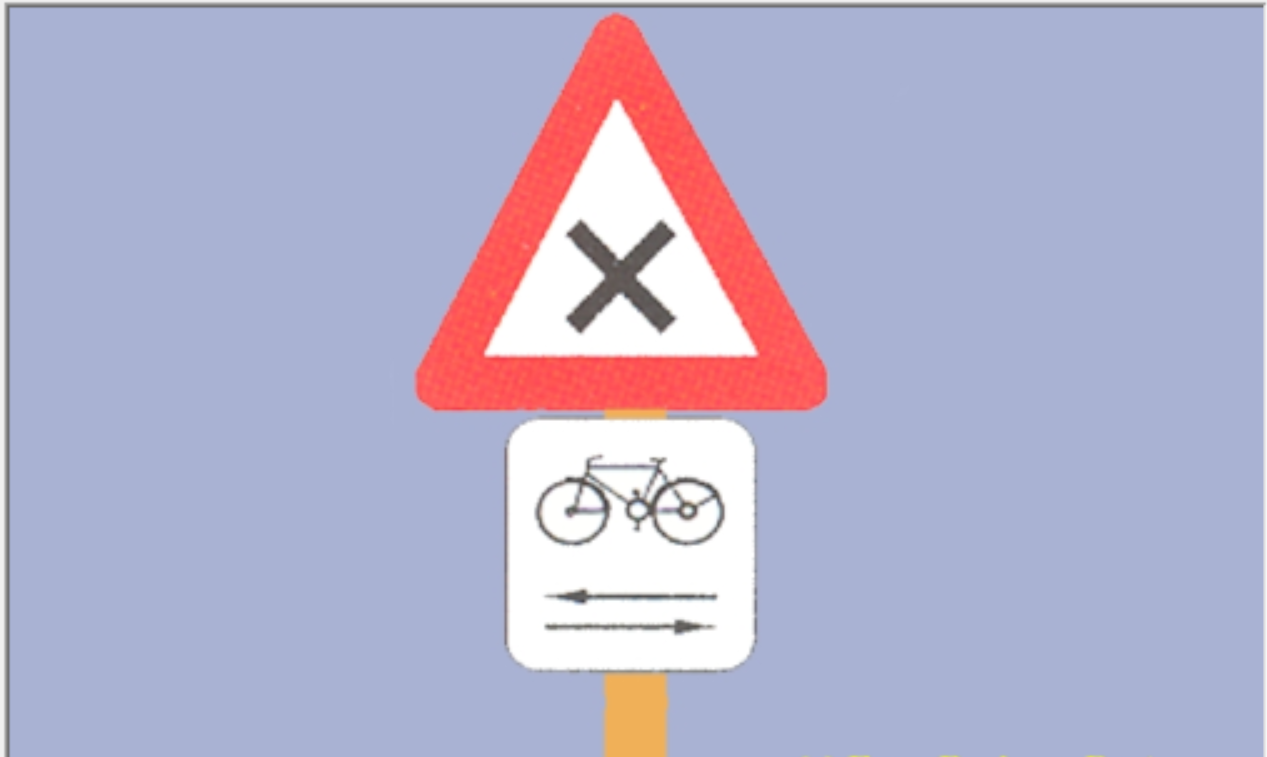
Does this road sign require me to give way to cyclists on the right and left?
Explanation: This sign indicates that cyclists travel in both directions, but this does not oblige you to yield to them in all directions. Tip: Look carefully at the additional sign: the arrows indicating two-way traffic for cyclists.
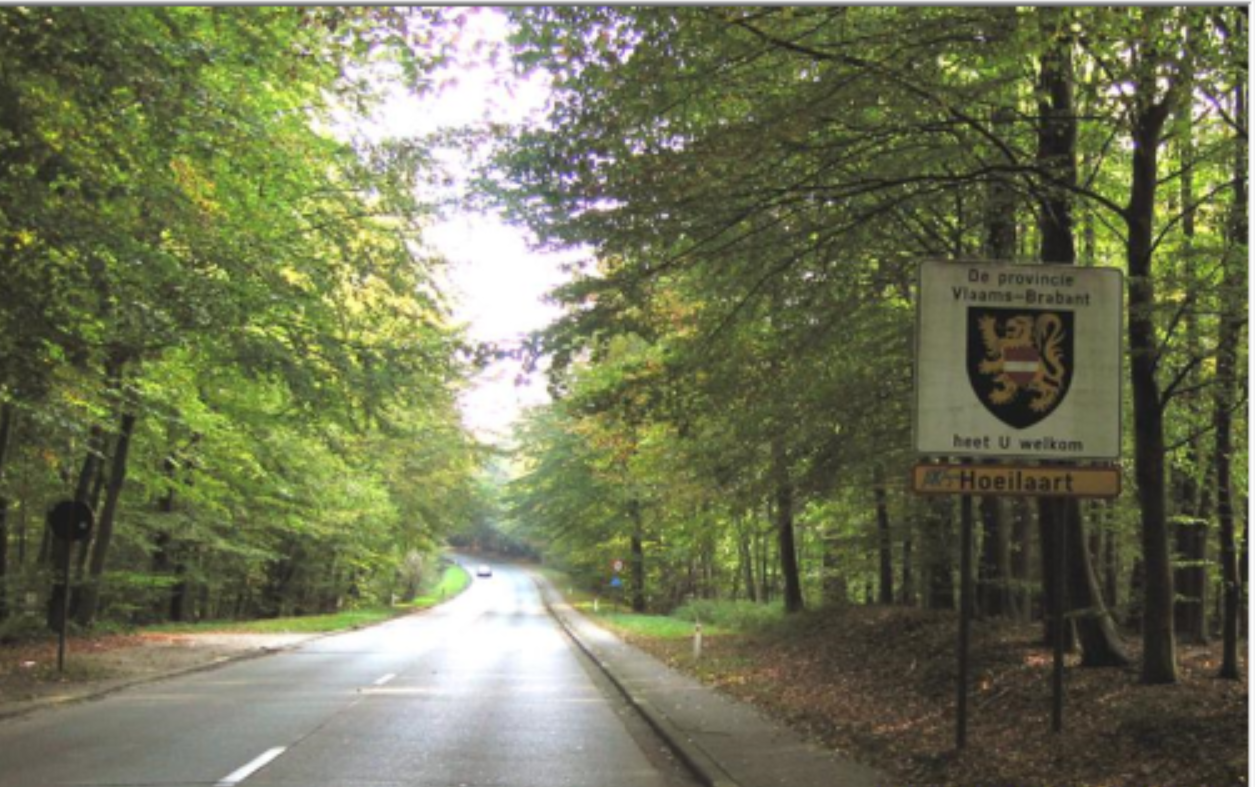
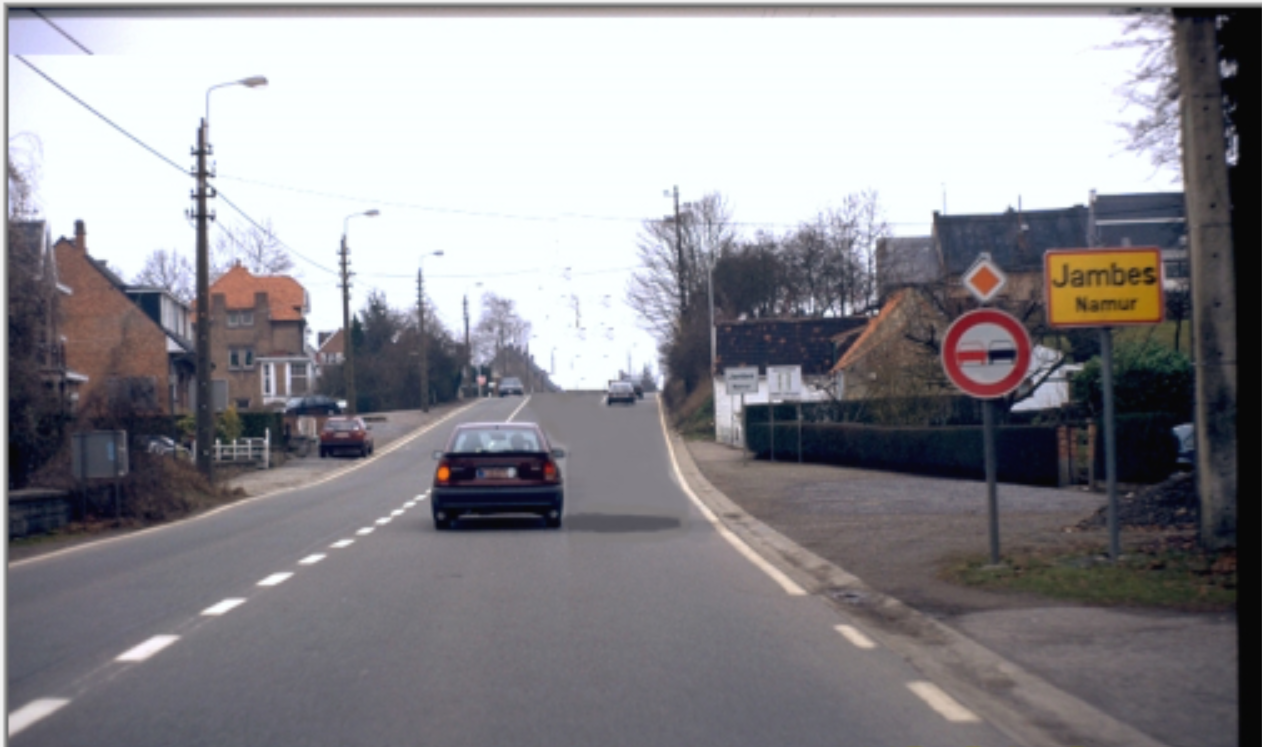
Does this signal indicate the start of a built-up area?
Explanation: This sign is not an official road sign demarcating a built-up area, but an administrative welcome sign. Tip: Signs indicating the entrance to a built-up area are rectangular with a white background and a black pictogram.
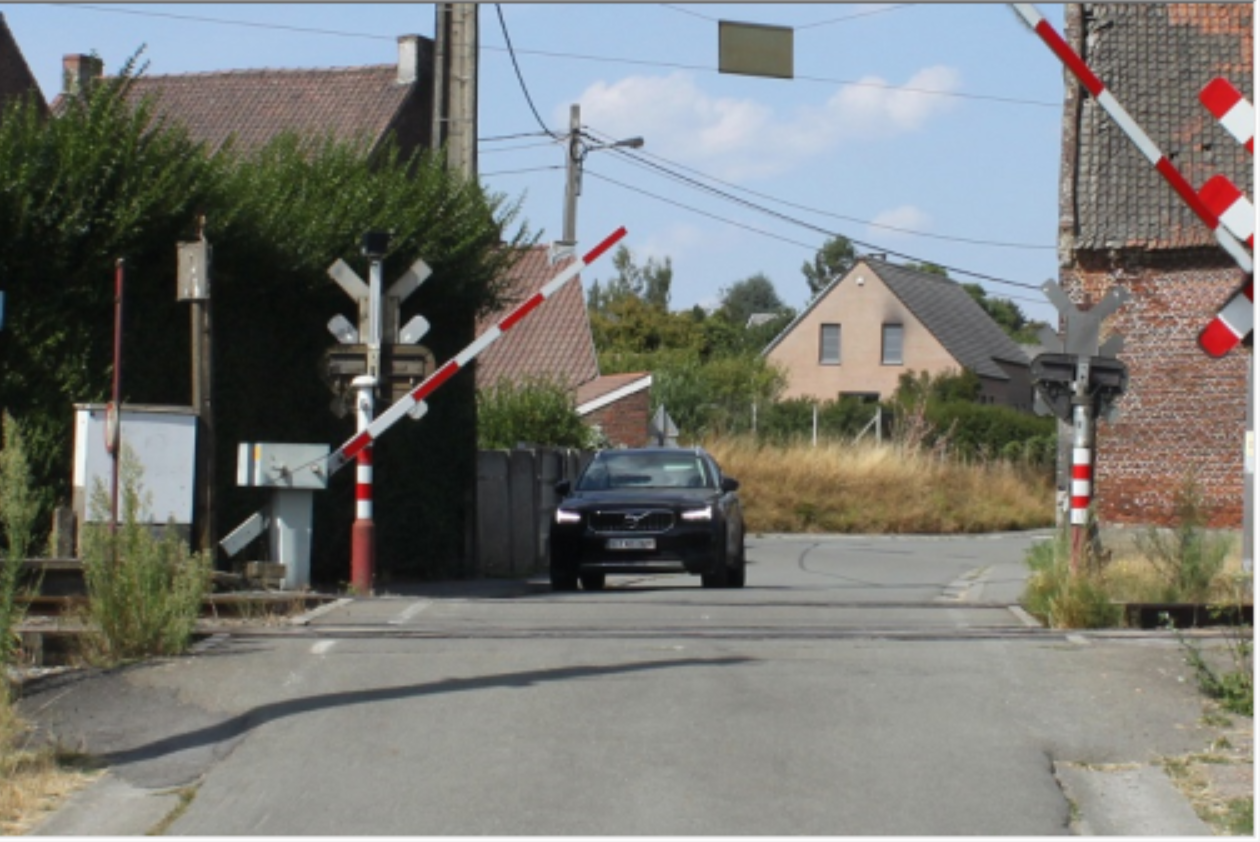
The barriers are rising. Can I start?
Explanation: Even if the barriers begin to rise, you must wait until the crossing is completely clear. Tip: Always wait until the red lights stop flashing and the track is safe before crossing.
To enter this roundabout, the use of the right direction indicator is?
Explanation: Using a turn signal when entering a roundabout is permitted but not mandatory. However, using a turn signal when exiting a roundabout is mandatory. Tip: Priority should be given to using your turn signal to indicate your exit from the roundabout.
In this situation, I should?
Explanation: A child close to the road requires extra vigilance. You don’t have to stop until they cross. Tip: Reduce your speed and be ready to brake at any time.
This signal tells me that I should mainly look up to see the falling stones?
Explanation: This sign simply indicates an area where rockfalls may occur over a given distance (200 m in this case). Tip: Look at the arrows on the additional signs to find out the distance involved.
How should I behave when approaching an ambulance using the special horn?
Explanation: If a priority vehicle is using its horn, you must yield the right-of-way by moving aside, without stopping suddenly. Tip: Never block an intersection by yielding the right-of-way.
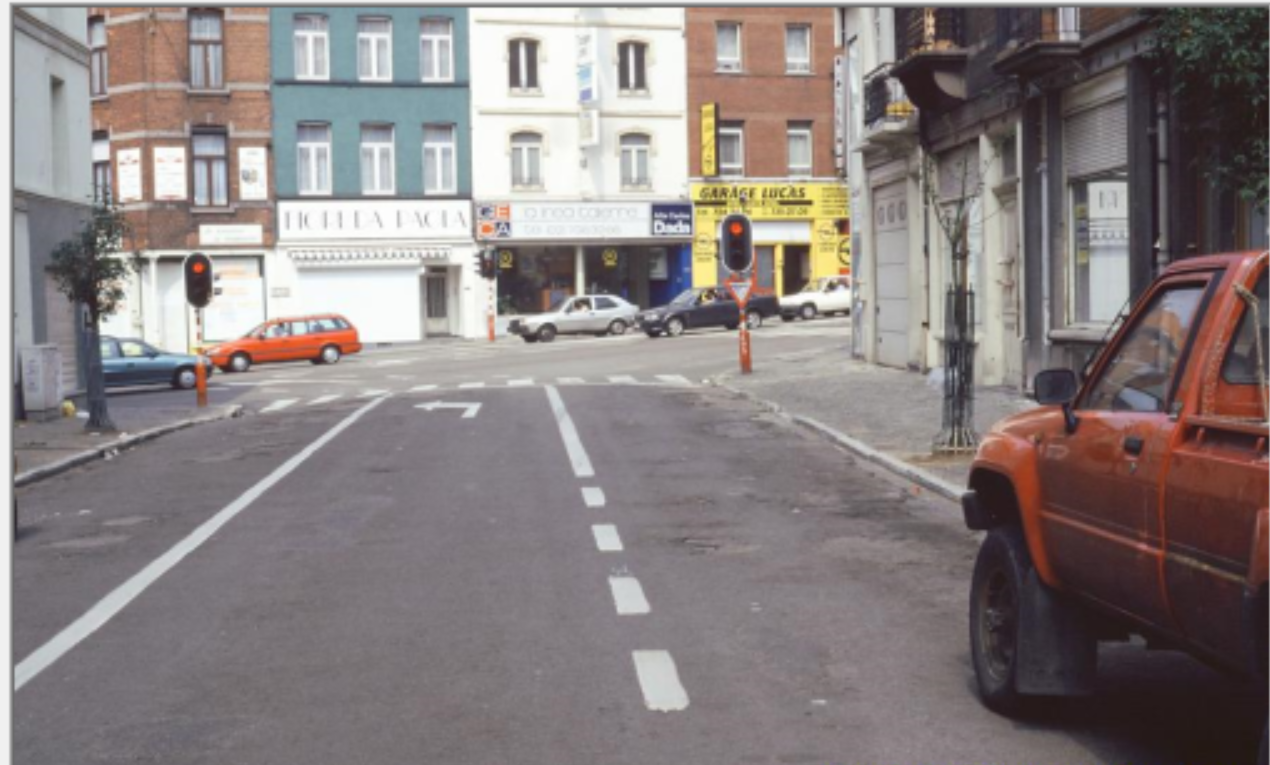
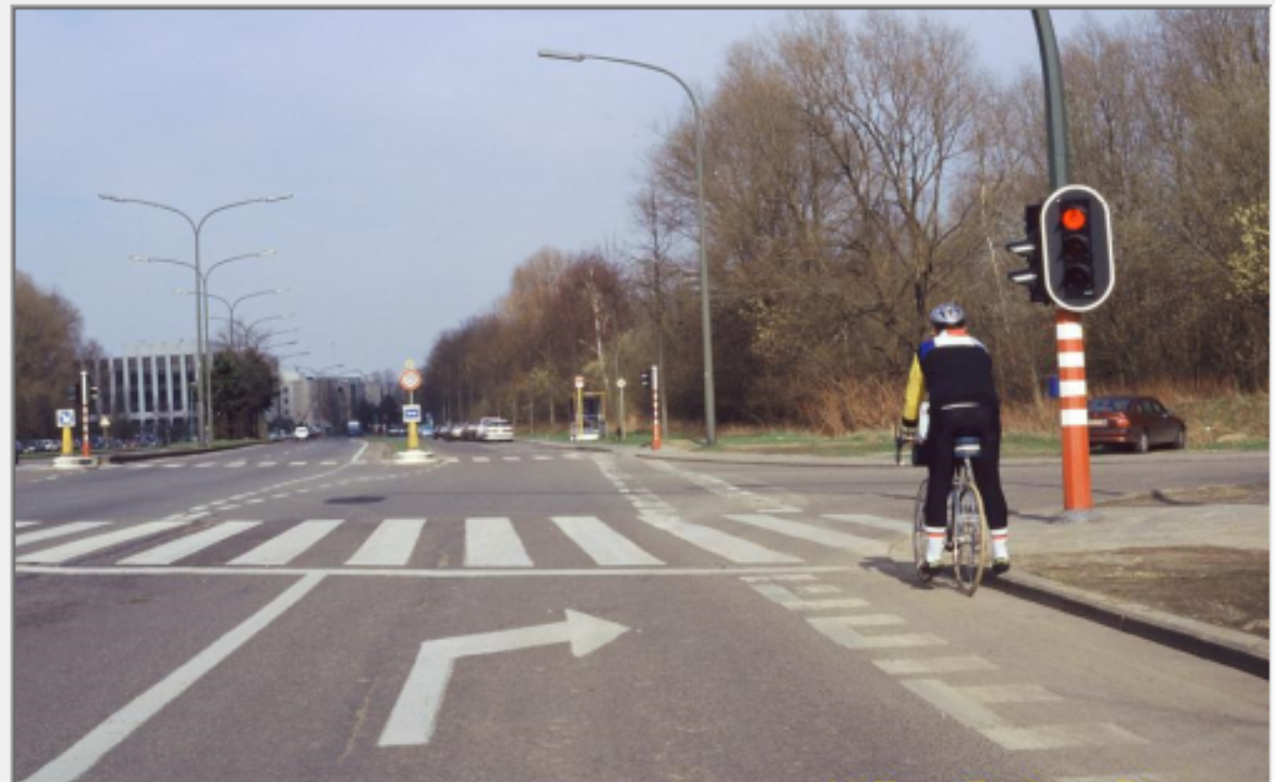
From the right lane, can I?
Explanation: The right lane is reserved for right turns. You cannot go straight or turn left from this lane. Tip: Always check road markings and signs before changing direction.
The red-bordered signal tells me?
Explanation: This triangular sign bordered in red with a stylized barrier indicates a level crossing. Tip: Pay attention to whether a light or sound signal complements this sign to indicate the arrival of a train.
Do I have to give way to this bus that wants to leave its stop?
Explanation: You must yield the right of way to a bus leaving its stop only in built-up areas and only if it is signaling its intention. Tip: This rule does not apply outside built-up areas. Pay attention to the bus’s light signals.
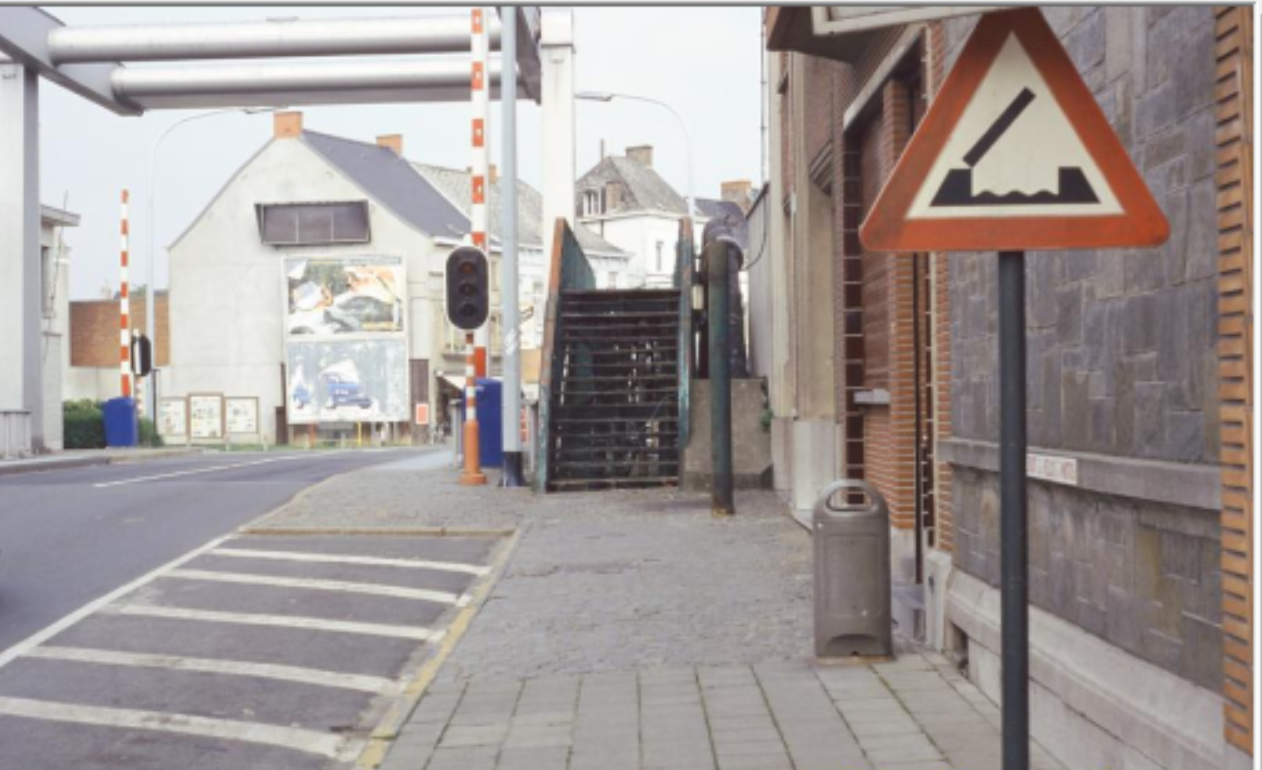
What does this signal mean?
Explanation: This triangular sign with a red border indicates a movable bridge, an area where a bridge can be raised to allow boats to pass. Tip: Check the associated lights or stop signals before crossing the area.
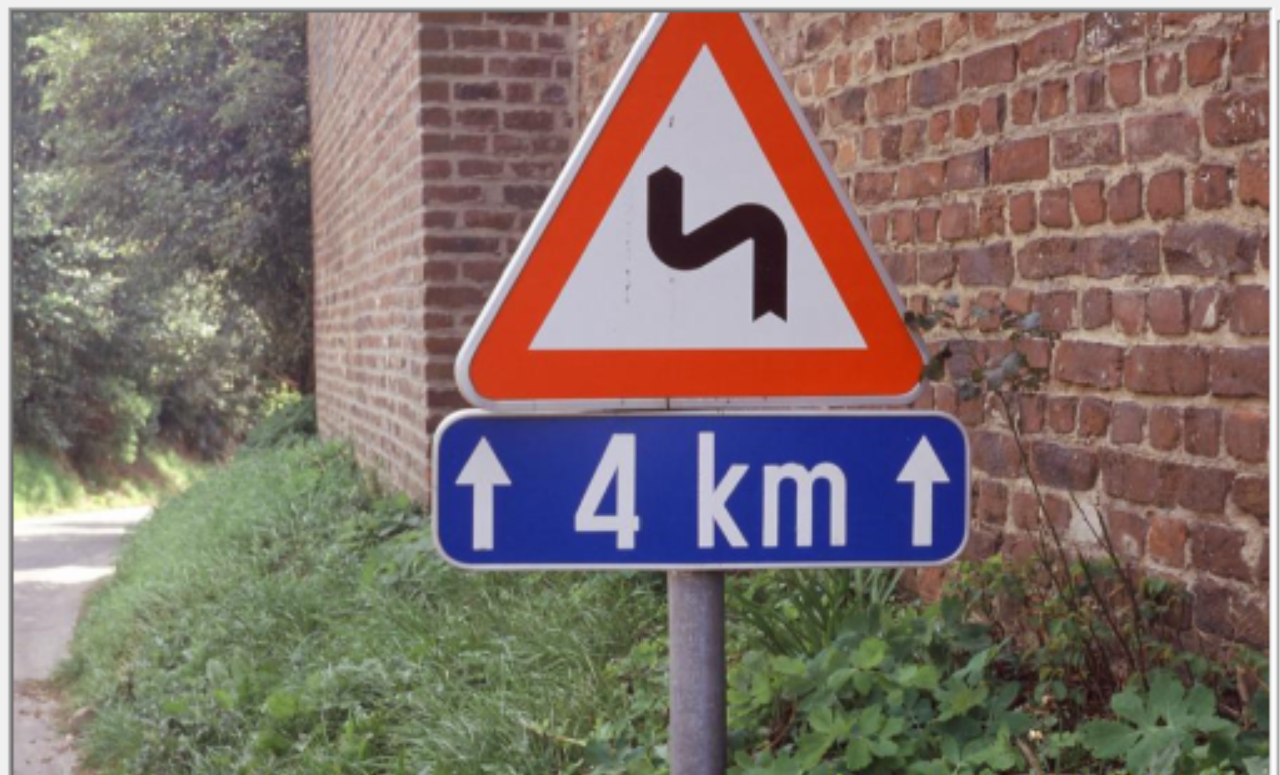
The first dangerous turn is?
Explanation: When the turn sign is accompanied by a distance (here “4 km”), this indicates the total length of the dangerous section. However, the first turn is usually 150 m away. Tip: Read the additional distances to anticipate your driving.
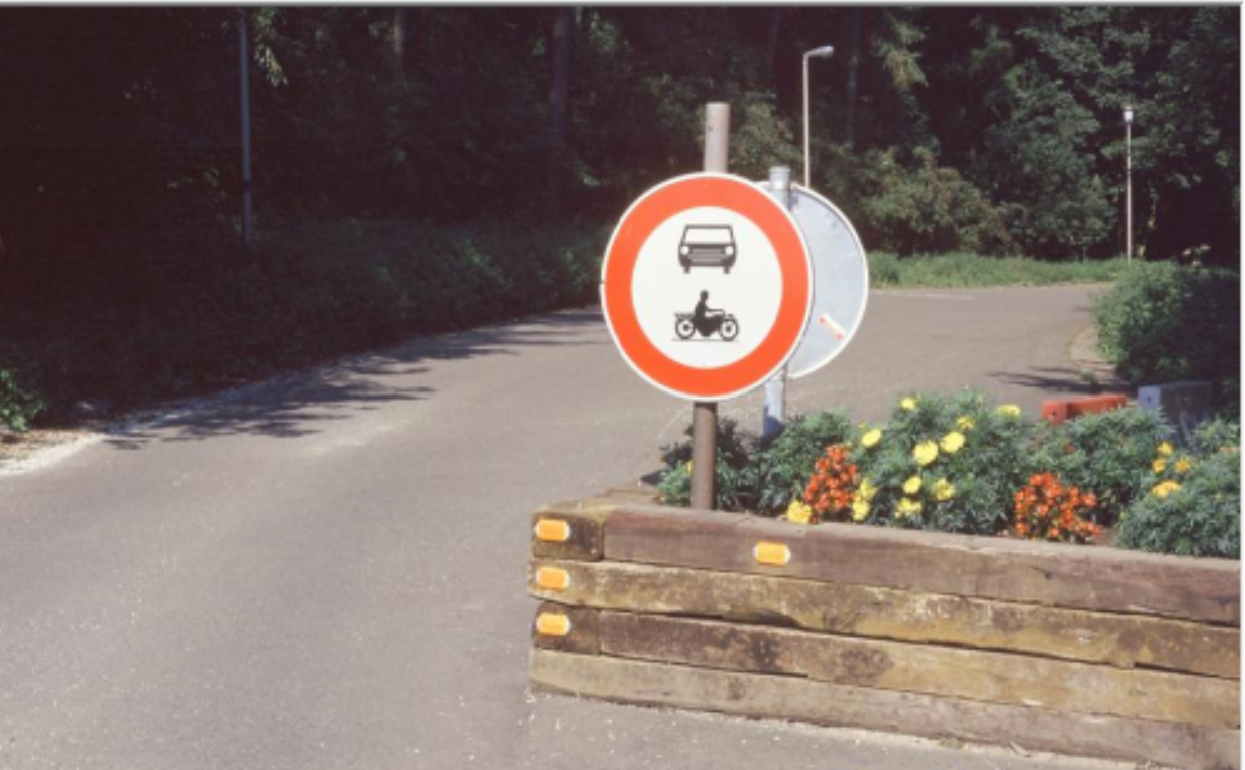
Despite this signal, which users are allowed to use this public road?
Explanation: This sign prohibits access to (large) motor vehicles, but allows for horse-drawn vehicles, which are not explicitly mentioned in the prohibition. Tip: Pay close attention to the exceptions indicated or missing on the sign.
In this situation, I should?
Explanation: You must slow down to avoid danger from a car opening a door or maneuvering. Tip: In cities, keep a sufficient distance from parked cars.
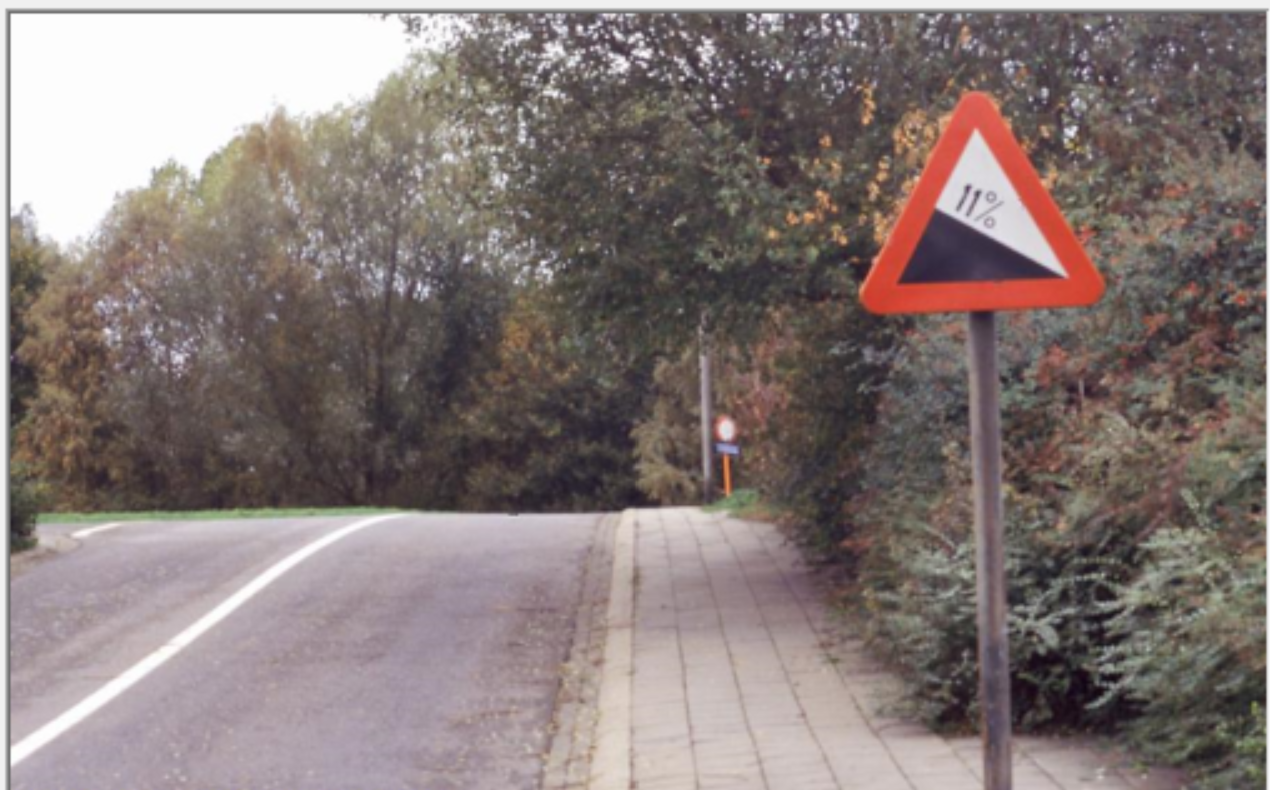
This signal indicates a steep climb?
Explanation: This sign indicates a downward slope of 11%, not an upward slope. Uphill signs show an upward slope. Tip: Identify the direction of the slope on the pictogram to differentiate between uphill and downhill.
The gates are closing. Should I turn off my engine?
Explanation: If your vehicle is stopped for more than a minute, for example at a level crossing, you must turn off your engine. Tip: This helps limit pollution and reduce fuel consumption.
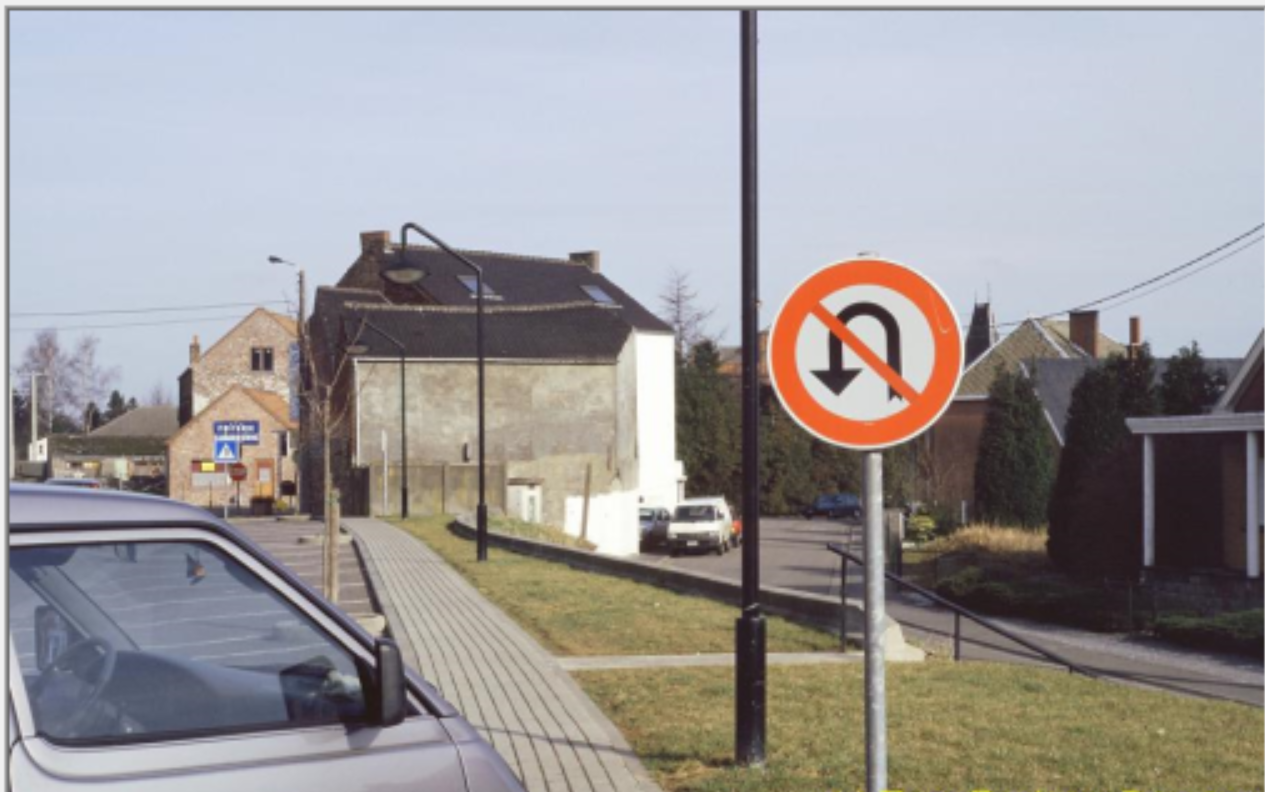
Does this road sign indicate the end of the no-turn sign?
Explanation: This sign indicates the beginning of the no-turn sign, not the end. Tip: The end of the no-turn sign is usually indicated by a crossed-out sign.
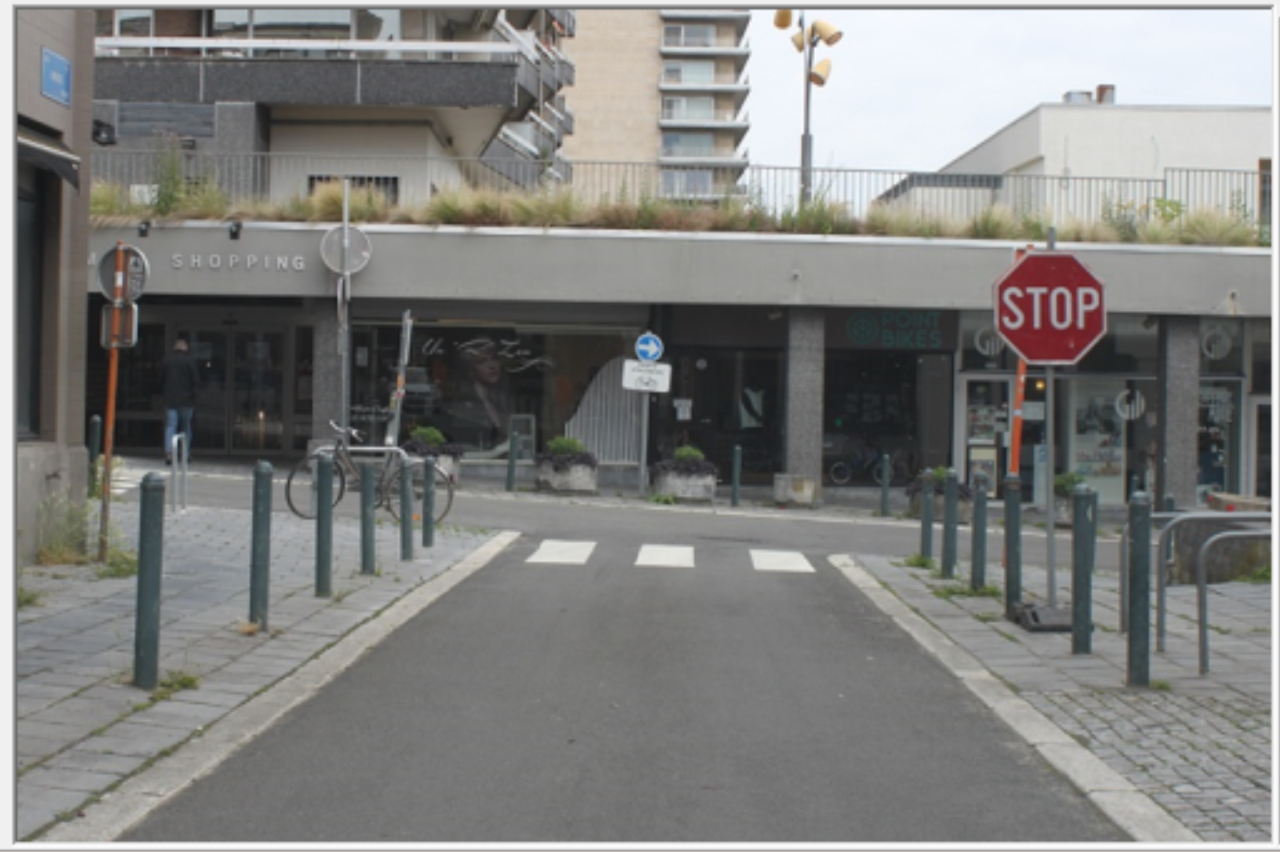
At this point, before giving way, do I always have to stop?
Explanation: A “STOP” sign requires you to come to a complete stop, even if there are no vehicles or a stop line. Tip: The “STOP” sign is absolute, unlike the “Yield” sign, which is conditional.
I want to turn left. Do I have to give way to the truck?
Explanation: This “Right of Way” sign means that only the right-hand lane has priority. A truck coming from your left must therefore give way to you. Tip: Right of way applies only to vehicles coming from the right, not from the left.
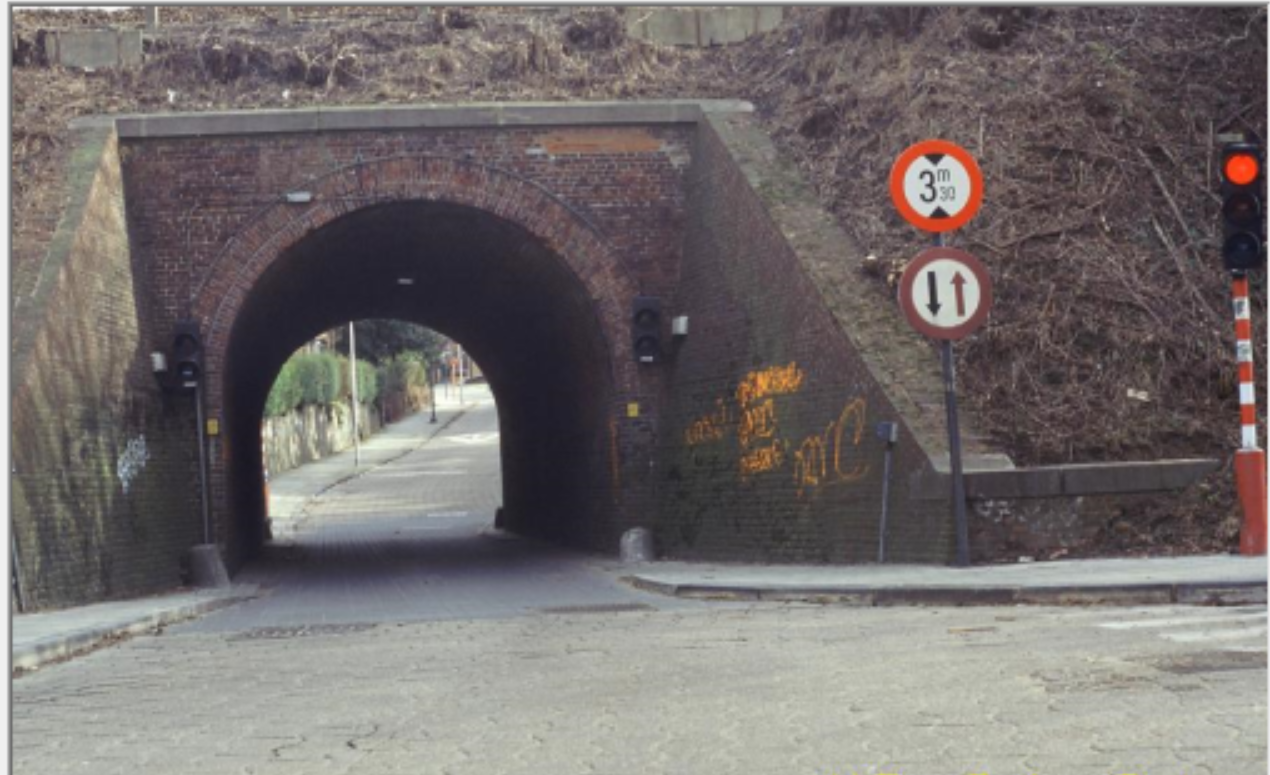
Can I go under the bridge without waiting?
Explanation: The red light prohibits you from going under the bridge at this time. You must wait until the light turns green. Tip: Always check the lights, even if the road seems clear.
From the left band
Explanation: The road markings and the sign indicate that from the left lane you are allowed to turn left. Tip: Follow the road markings to determine the permitted directions.
Does this road sign indicate a two- or multi-track level crossing in the immediate vicinity?
Explanation: This sign is an advance signal for a level crossing with two or more tracks, indicated by the overlapping red crosses. Tip: Take into account the width of the tracks to anticipate any hazards.
To turn left, in the immediate vicinity of the crossroads
Explanation: To turn left, the use of the “Bus” lane is permitted and even mandatory when it is intended to change direction. Tip: Reserved lanes can be used if the signs allow it.
Can I use the cross connection to turn around?
Explanation: Cross-junctions are permitted except on motorways or car-only roads. Tip: Make sure you don’t obstruct other road users when making a U-turn.
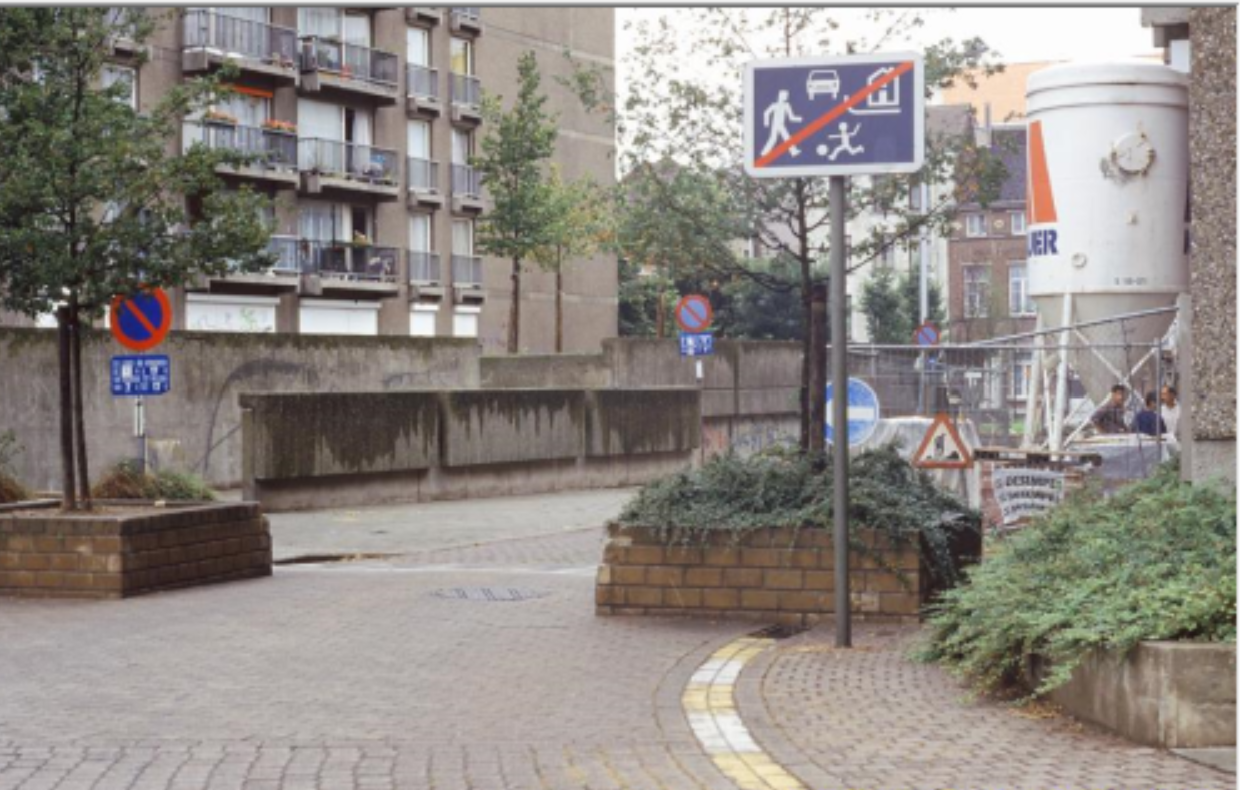
Does this road sign prohibit access to pedestrians?
Explanation: This sign marks the end of a residential area where pedestrians, cyclists, and vehicles must coexist. Pedestrian access is not prohibited. Tip: Observe the sign indicating the end of the area, not a prohibition.
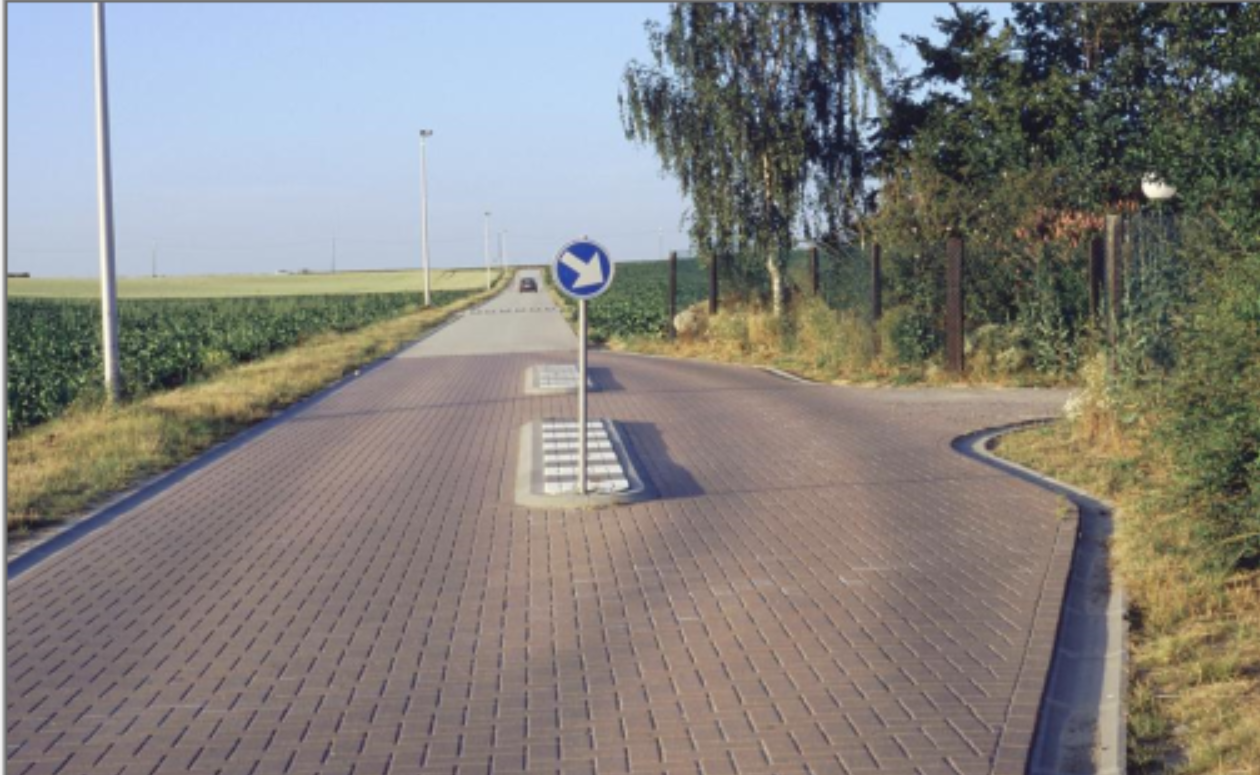
Does this road sign require me to turn right?
Explanation: This signal only requires you to pass to the right of the central island, but does not require you to turn right. Tip: Be aware of the difference between “turn right” and “go around on the right.”
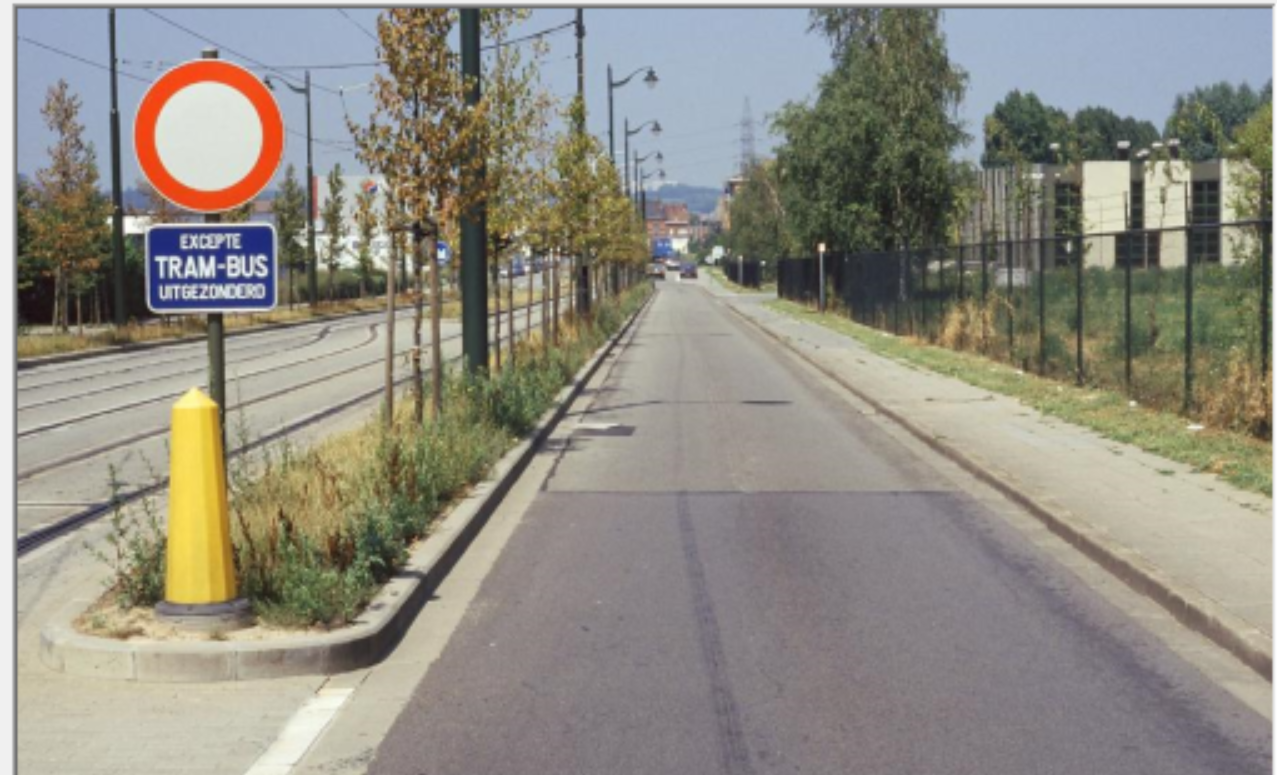
Can I take this route?
Explanation: The prohibition sign on the left applies to vehicles other than trams or buses. The right-hand lane is accessible to you. Tip: If the prohibition sign is crossed out or otherwise specific, check the exceptions carefully.
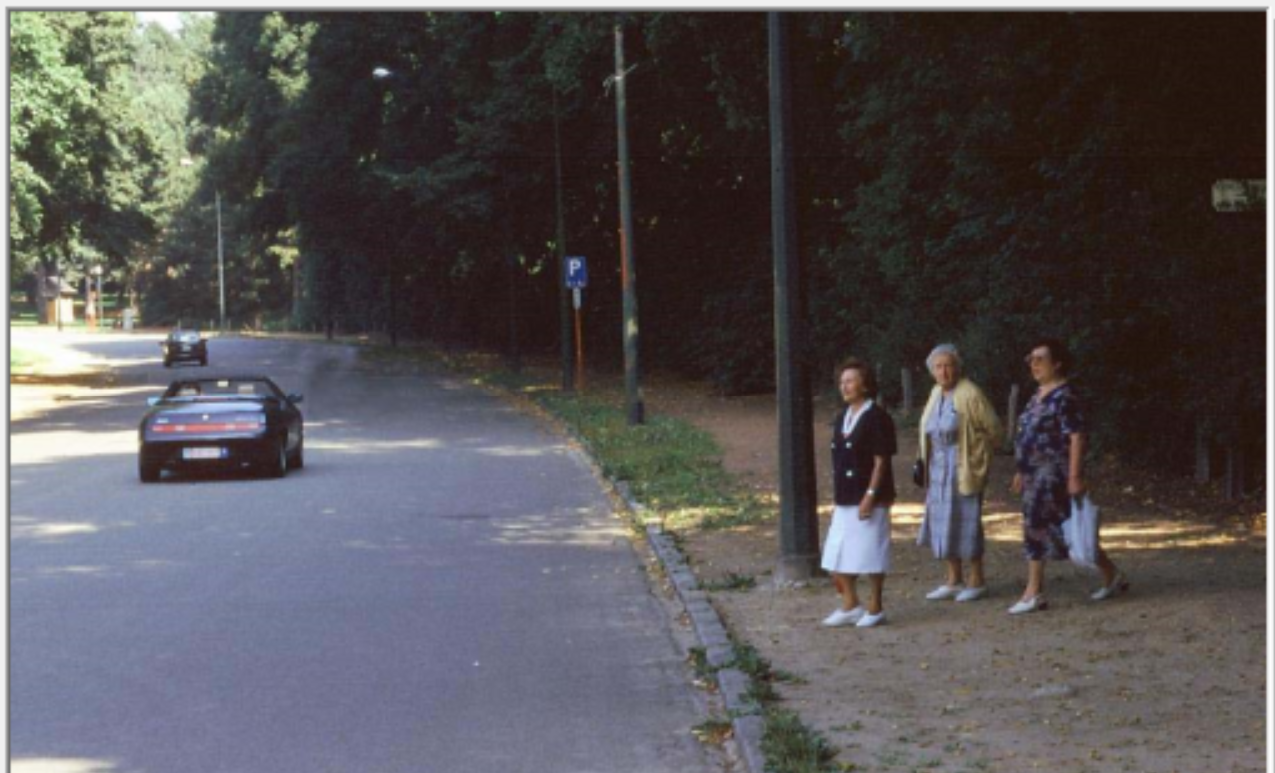
Do I have to give way to these elderly people?
Explanation: Pedestrians do not have priority unless they are crossing at a crosswalk, but it is important to slow down and remain vigilant, especially when dealing with elderly people. Tip: Always prioritize safety by remaining vigilant.
To get around this parked vehicle, the use of the direction indicator is
Explanation: Any lateral movement requires the use of the indicator, even to go around a stopped vehicle. Tip: In built-up areas, it is especially crucial to indicate your intentions to avoid collisions.
When the light turns green, can I continue straight ahead?
Explanation: Once you enter a lane with an arrow indicating the direction, you cannot change lanes. You must follow the arrow and turn left. Tip: Follow the directional arrows marked on the ground: they become mandatory once you enter the lane.
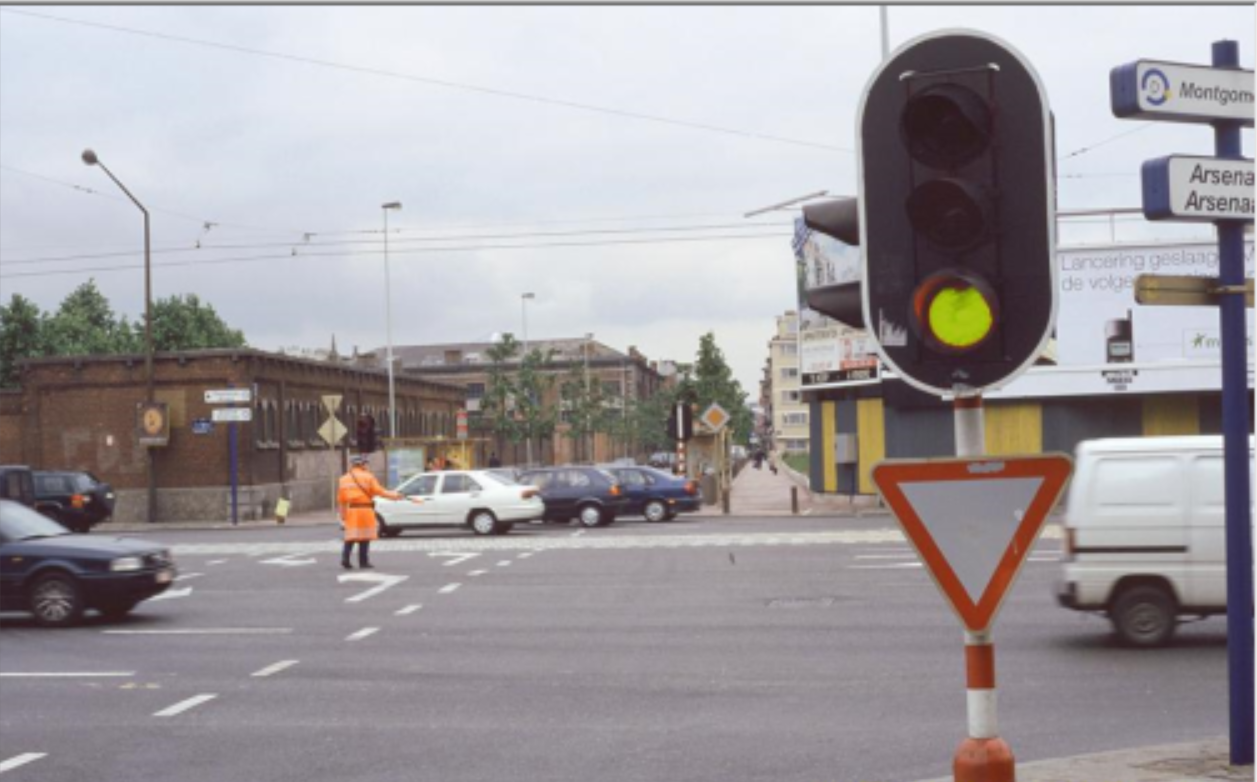
The light has just turned green. Can I proceed to the intersection?
Explanation: Even if the light is green, the trained officer on site takes precedence over the traffic light. You must wait for their permission to proceed. Tip: If an officer is present, their actions and instructions always take precedence over any lights or signs.
Can I turn right?
Explanation: The green light cancels the STOP sign requirement. You can turn without stopping if the way is clear. Tip: The traffic light operates first over other signals such as STOP or Yield.
Does this light signal mean I have to stop?
Explanation: A flashing white moonlight allows you to cross the level crossing. A flashing red light would require you to stop. Tip: Learn to distinguish between a white light (cleared) and a flashing red light (cleared).
Can I pass this vehicle on the left?
Explanation: You must pass on the right. The bus has priority, so you must wait for it to turn. Tip: Always pass vehicles on the right, unless otherwise clearly indicated.
What does this road sign mean?
Explanation: This sign warns of a danger of loss of traction due to slippery road conditions. The additional sign specifies that this concerns a water-related hazard. Tip: Be especially careful in these areas and slow down to avoid skidding.
This driver is turning left. Can I pass him on the right?
Explanation: Overtaking on the right is permitted if the driver in front of you has signaled their intention to turn left. Tip: Check the turn signals of the vehicle in front of you before overtaking.
This injunction means that I must stop at the qualified officer?
Explanation: You must stop before entering the intersection, unless you are already in the intersection. In this case, clear the intersection quickly to avoid any blockages. Tip: Always follow the instructions of trained officers and never block an intersection.
A trained officer stops me for crossing a level crossing while the flashing red lights are on
Explanation: Immediate license revocation for a serious offense must be validated by the public prosecutor. The qualified officer will inform the relevant authorities. Tip: Serious offenses are severely punished. Don’t take any risks at level crossings.
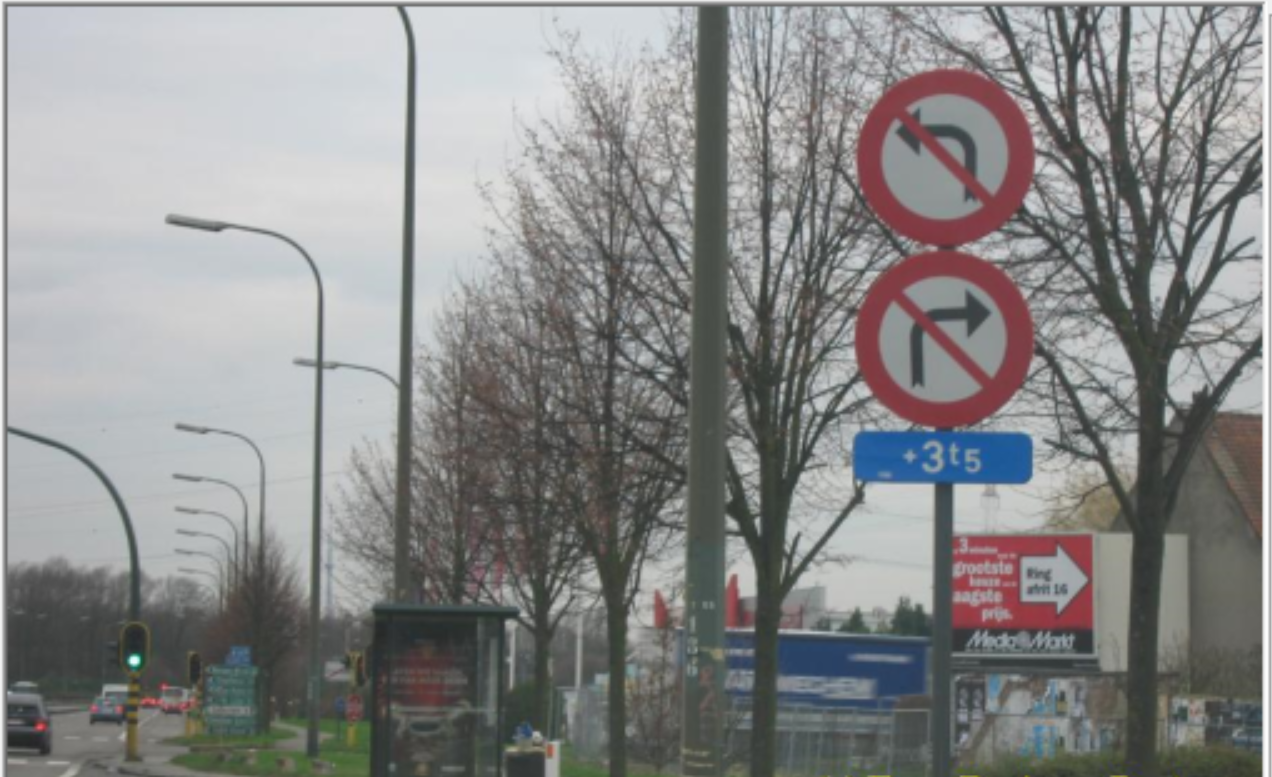
At the next crossroads
Explanation: The signs indicate that vehicles weighing more than 3.5 tonnes are prohibited from turning left. A conventional car can therefore turn right. Tip: Note the specific exceptions mentioned on the signs so as not to confuse general prohibitions with conditional ones.