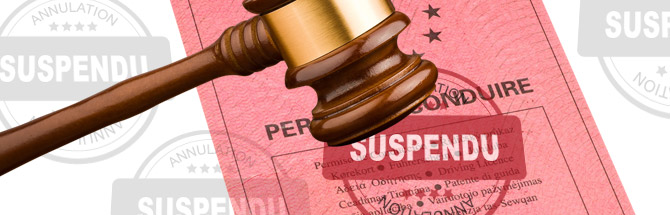
The public prosecutor has decided to immediately revoke my driving license following a third-degree offense. This immediate revocation takes effect:
Explanation: An immediate license revocation is effective as soon as the offense is detected. The prosecutor or qualified officer will revoke the license directly on the spot. Tip: Remember that “immediate” means immediately, without delay!
The vehicles on the right are parked. I can overtake these riders:
Explanation: You may overtake horse riders, provided you maintain a safe distance. It is not prohibited to overtake horses, unless otherwise indicated by a sign. Tip: Watch out for animals and reduce your speed to avoid frightening them.
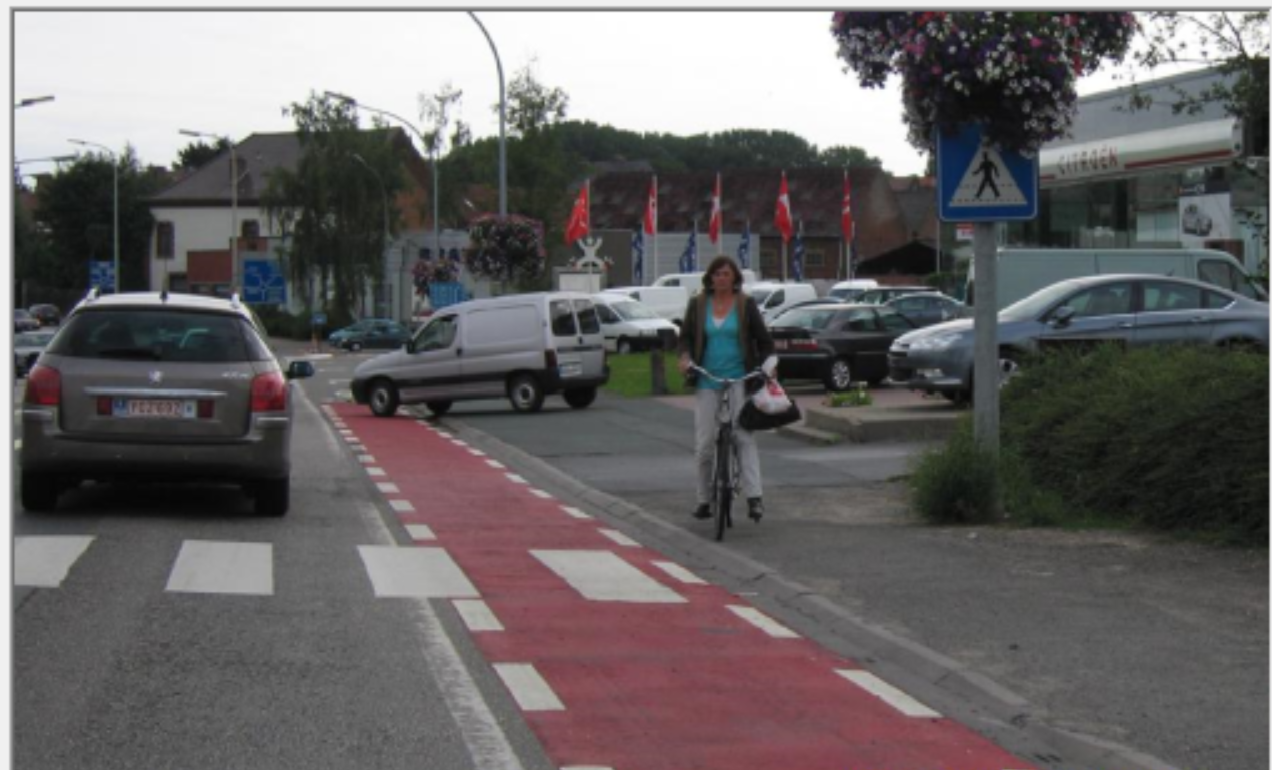
Overtaking the cyclist is permitted
Explanation: It is permitted to overtake a cyclist at an intersection or at a pedestrian crossing, provided that you do not crowd other road users and that it is safe to do so. Tip: Always keep at least 1.5 meters between you and a cyclist.
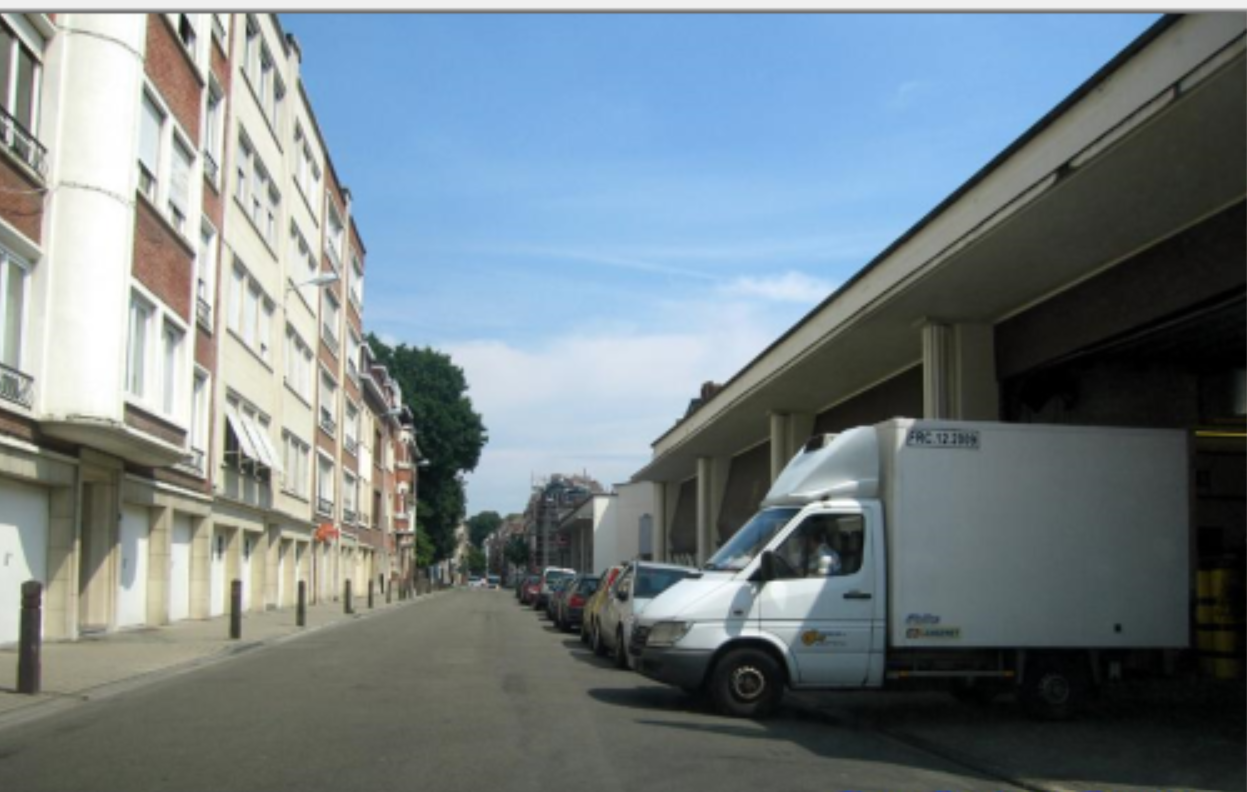
The white vehicle has priority
Explanation: The white vehicle is leaving a parking lot (or private property), so it does not have priority over vehicles traveling on the public highway. Tip: When leaving a parking lot or private property, it must yield the right of way.
I must give way to the red vehicle
Explanation: The red vehicle is turning left, so it must give way to you (right of way). Tip: Remember that right of way applies unless otherwise indicated.
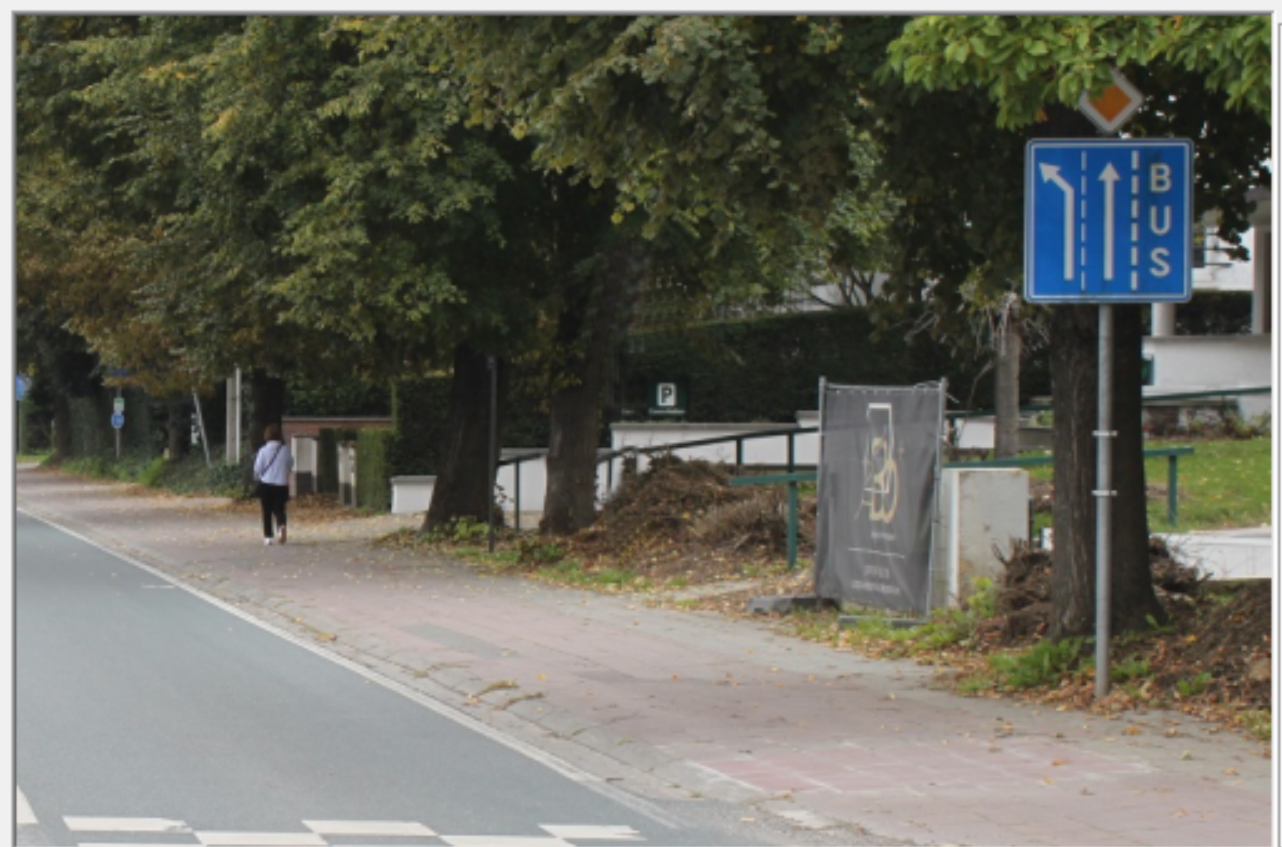
The bus has priority when changing lanes
Explanation: A bus only has priority when leaving its stop in a built-up area. Changing lanes is a maneuver, so it must yield. Tip: Priority for buses = only when leaving a stop in an urban area.
This signal prohibits access
Explanation: This sign prohibits access to large motor vehicles (cars, trucks, buses). Cyclists and pedestrians are not affected. Tip: Round signs with a red border prohibit something; always check the design inside.
I can overtake this vehicle on the right
Explanation: When a vehicle signals to turn left, it is permissible to overtake on the right. Tip: Always pay attention to a vehicle’s signal to anticipate your overtaking.
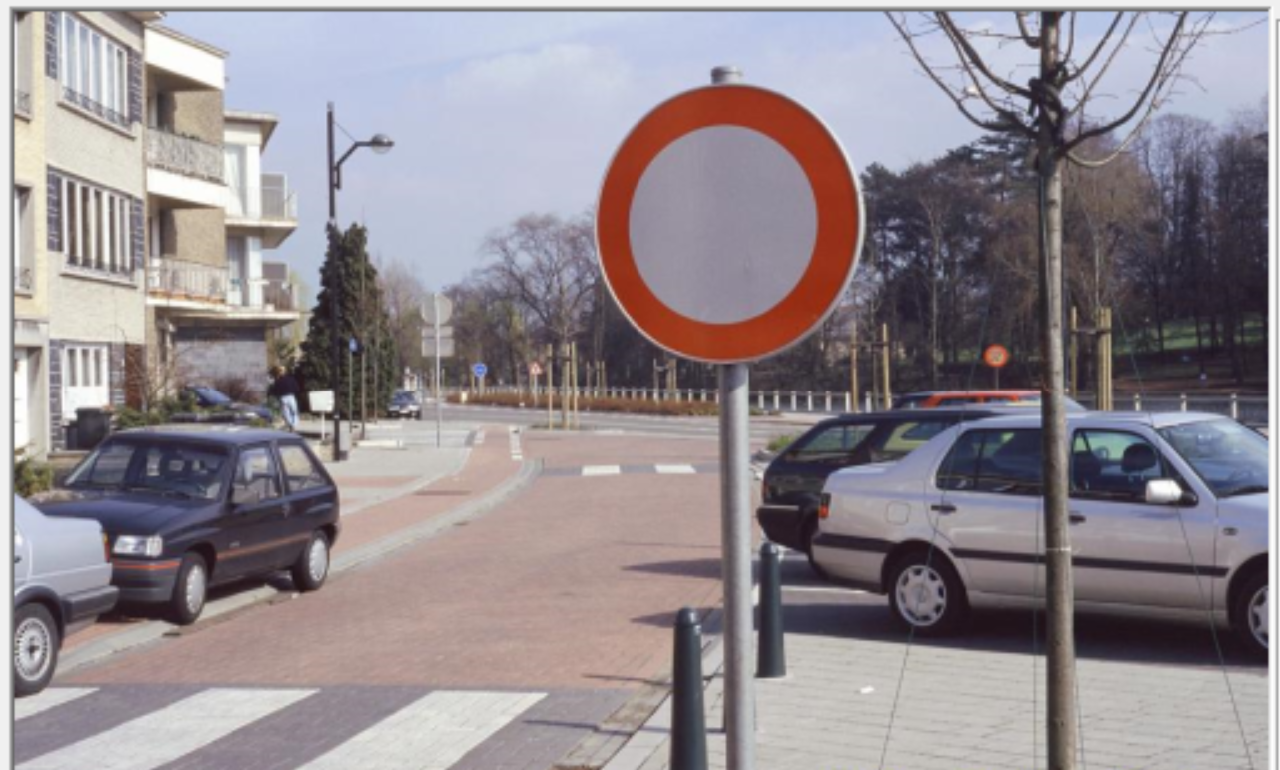
This road sign prohibits access
Explanation: This sign (round, white background, red border) means no entry for all vehicles, regardless of their category. Tip: No arrow or exception? It’s a total ban!
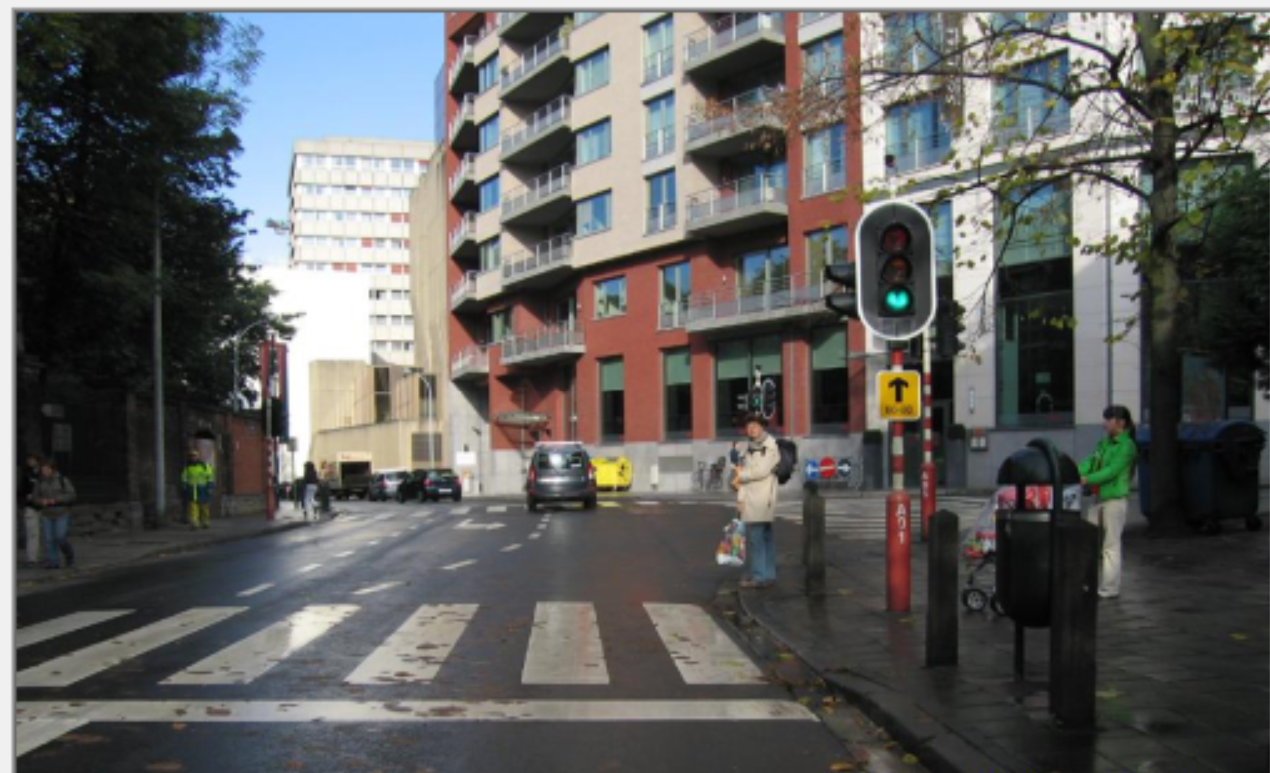
I must yield to the pedestrian
Explanation: The pedestrian light is red. Pedestrians must wait before crossing, so you don’t have to yield to them. Tip: Always look at the lights (pedestrian or vehicle) before deciding.
This signal limits the speed to
Explanation: In a cycle street (or Fietsstraat), the speed limit is 30 km/h. Cyclists have priority, and motorized vehicles cannot overtake them. Tip: In a cycle street, priority belongs to cyclists.
In this situation
Explanation: A solid white line may never be crossed if it separates the two directions of traffic. You must stay to the right. Tip: Always respect solid white lines, unless an emergency (obstacle) requires it.
This level crossing is
Explanation: The cross sign indicates a single-track level crossing. If the crossing were multiple, there would be two crosses on top of each other. Tip: One cross = single track, two crosses = multiple crossings.
I must let this driver take a seat in his vehicle
Explanation: Before opening their door, a driver must ensure that they are not causing generalizations to other road users. You are therefore not required to wait for them. Tip: Exercise caution, but you are not required to yield.
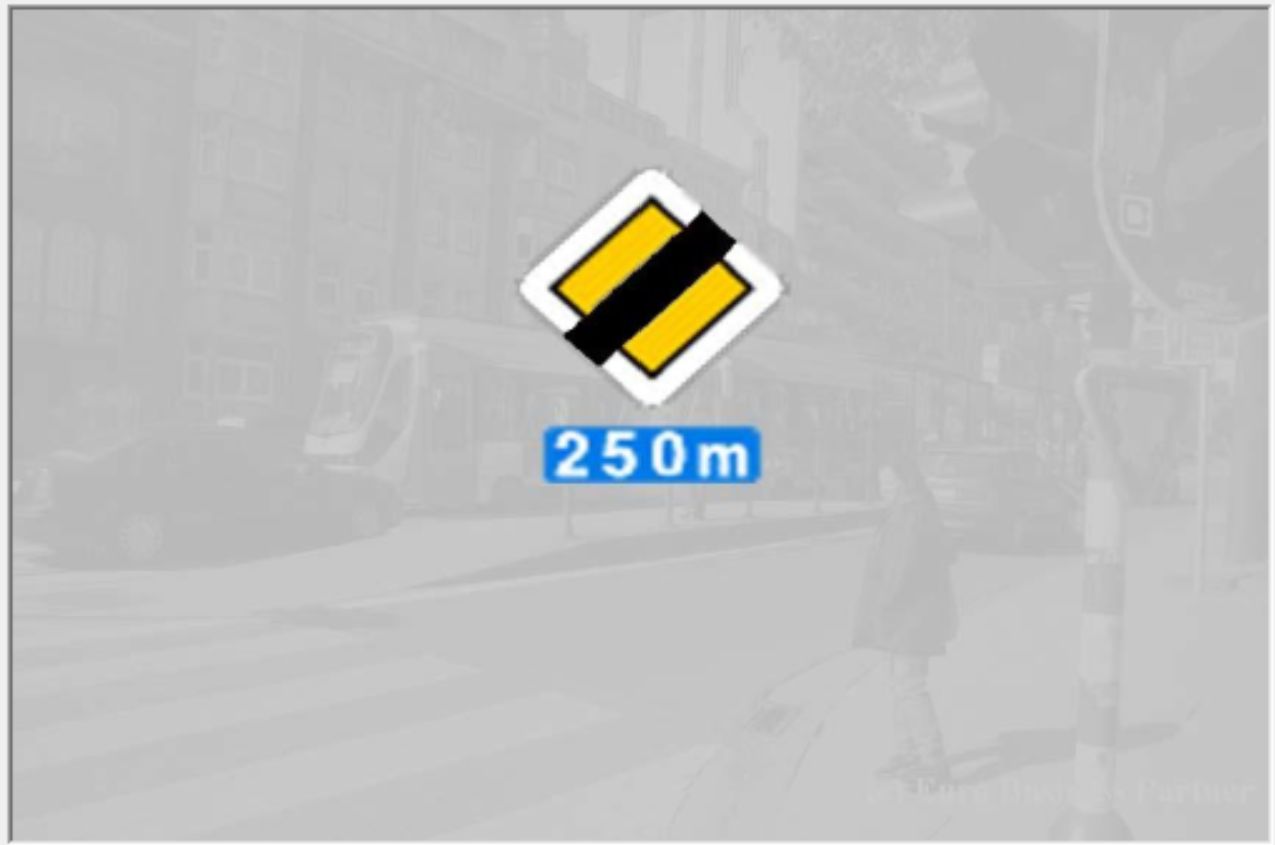
This signal requires me to give way for 250 meters
Explanation: This sign indicates that priority ends in 250 meters. This does not mean you have to give way immediately, but rather that you will no longer have priority beyond this distance. Tip: Look carefully at the blue sign and the associated number to understand the warning.
Failure to comply with this order of an officer constitutes an offense
Explanation: Failing to comply with an order from a qualified officer is a very serious offense, classified as a fourth-degree offense. Tip: There is no fifth-degree offense. The fourth degree includes the most serious offenses.
Having consumed too much alcohol, is it possible that I will still be drunk the next morning?
Explanation: The body eliminates about 0.10 g/l of alcohol per hour, or about 2 hours for each drink consumed. If you’ve had a lot to drink, alcohol may still be present in your bloodstream the next morning. Tip: To avoid any risk, wait several hours before driving again.
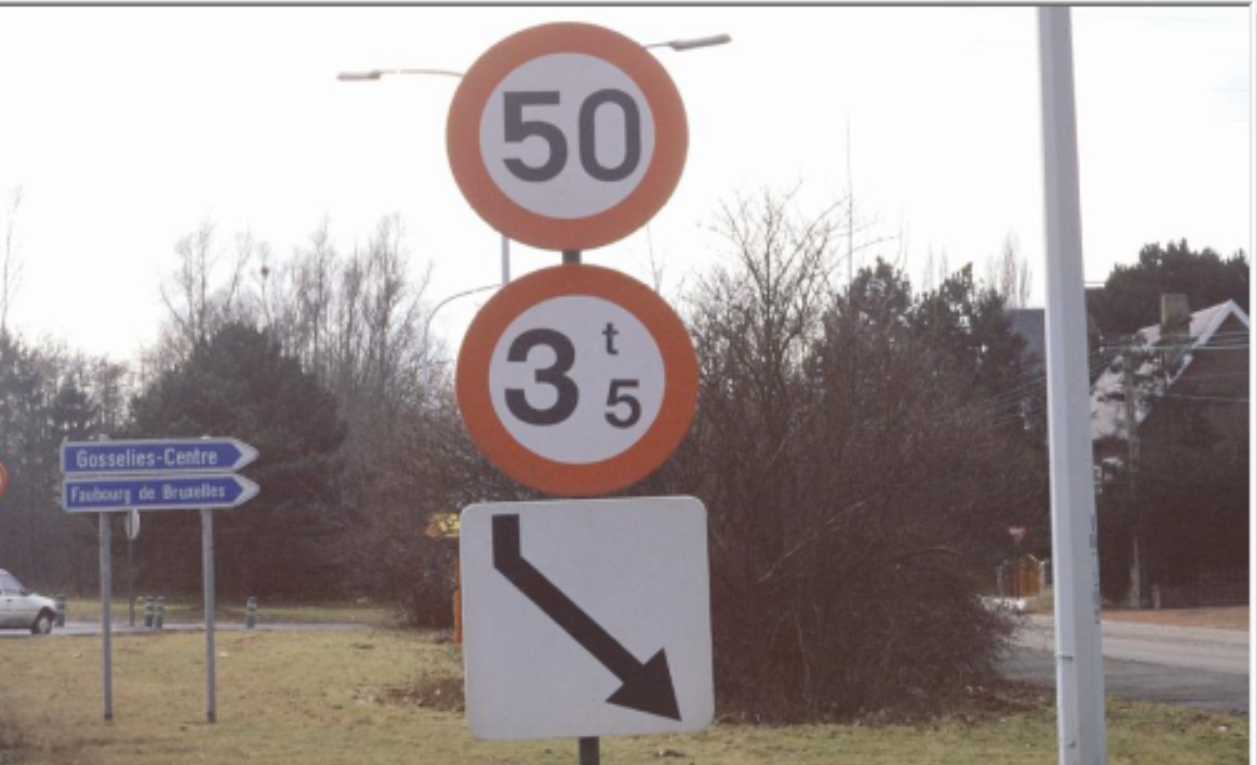
The bottom sign with the black arrow indicates a dangerous descent
Explanation: The black downward arrow indicates a mandatory exit, not a descent. It does not signal any particular danger. Tip: This type of sign is often used to organize traffic at an intersection.
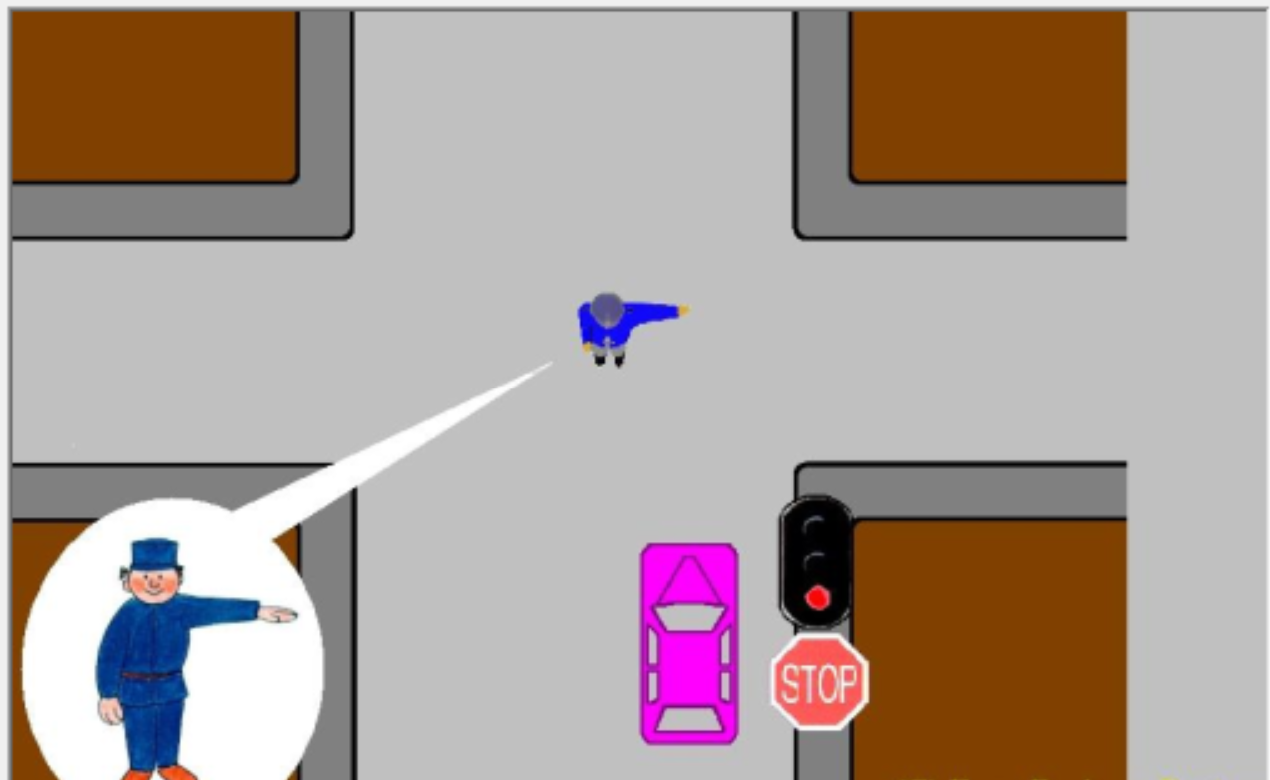
I can turn right
Explanation: A police officer facing you, with his back to you, or with his arm raised means STOP to all users coming from that direction. You cannot continue your journey or turn. Tip: Learn the signals of trained officers. Arm raised = Absolute Stop.
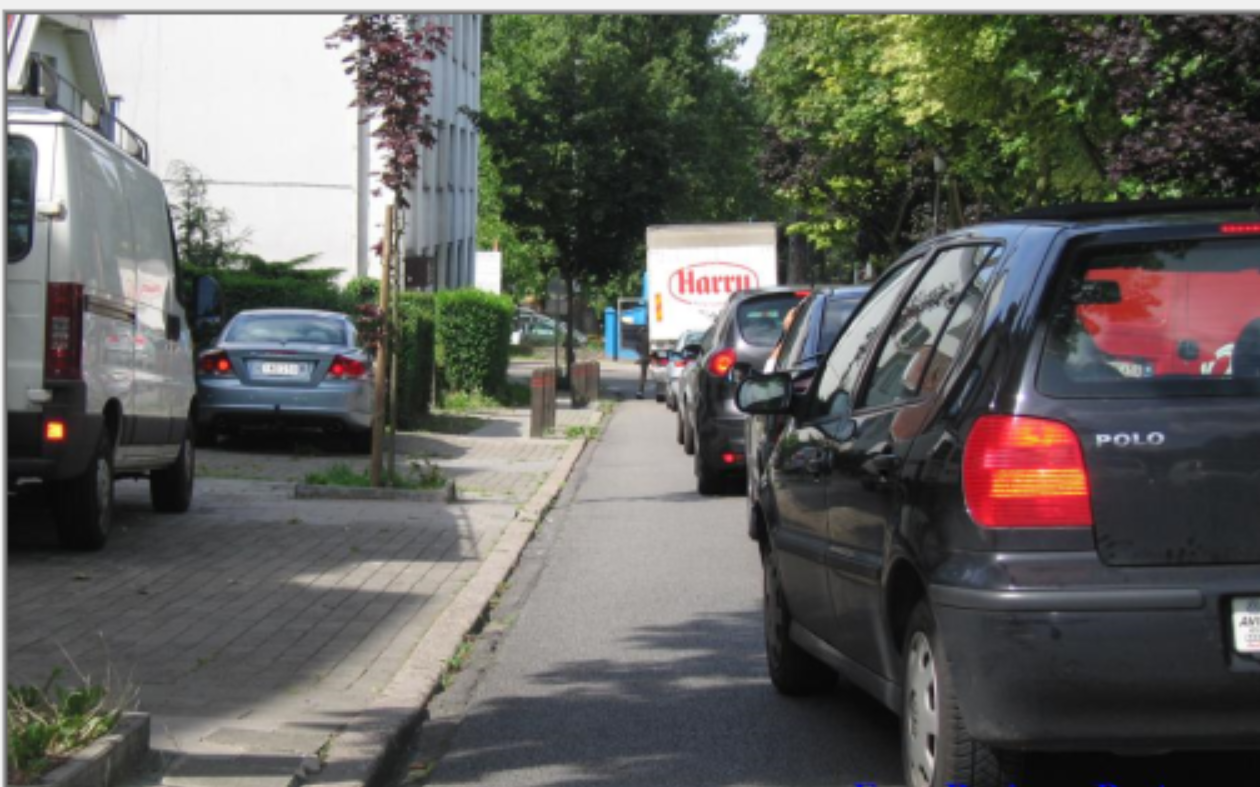
I can go up this stopped line
Explanation: If nothing prohibits it (sign, solid line, etc.), it is permitted to go up a line of stationary cars. However, you must do so with caution to avoid any accidents. Tip: Always check the rules specific to your vehicle (motorcycle, bicycle, car).
This road sign indicates a narrow passage
Explanation: The sign with the opposite arrows does not indicate a narrow passage, but two-way traffic. The blue sign with “100 m” indicates that this configuration will begin in 100 meters, but it is not a narrowing. Tip: Remember that the narrowing sign is triangular with two converging lines, not opposite arrows.
This cyclist wants to cross the road using the pedestrian crossing. I must give way to him.
Explanation: A cyclist who stays on their bike is not considered a pedestrian. To have priority, they must dismount and walk alongside. Otherwise, they do not have priority at a crosswalk. Tip: A pedestrian = a person on foot, in a wheelchair, or with a scooter. Cyclists must respect this rule to have priority.
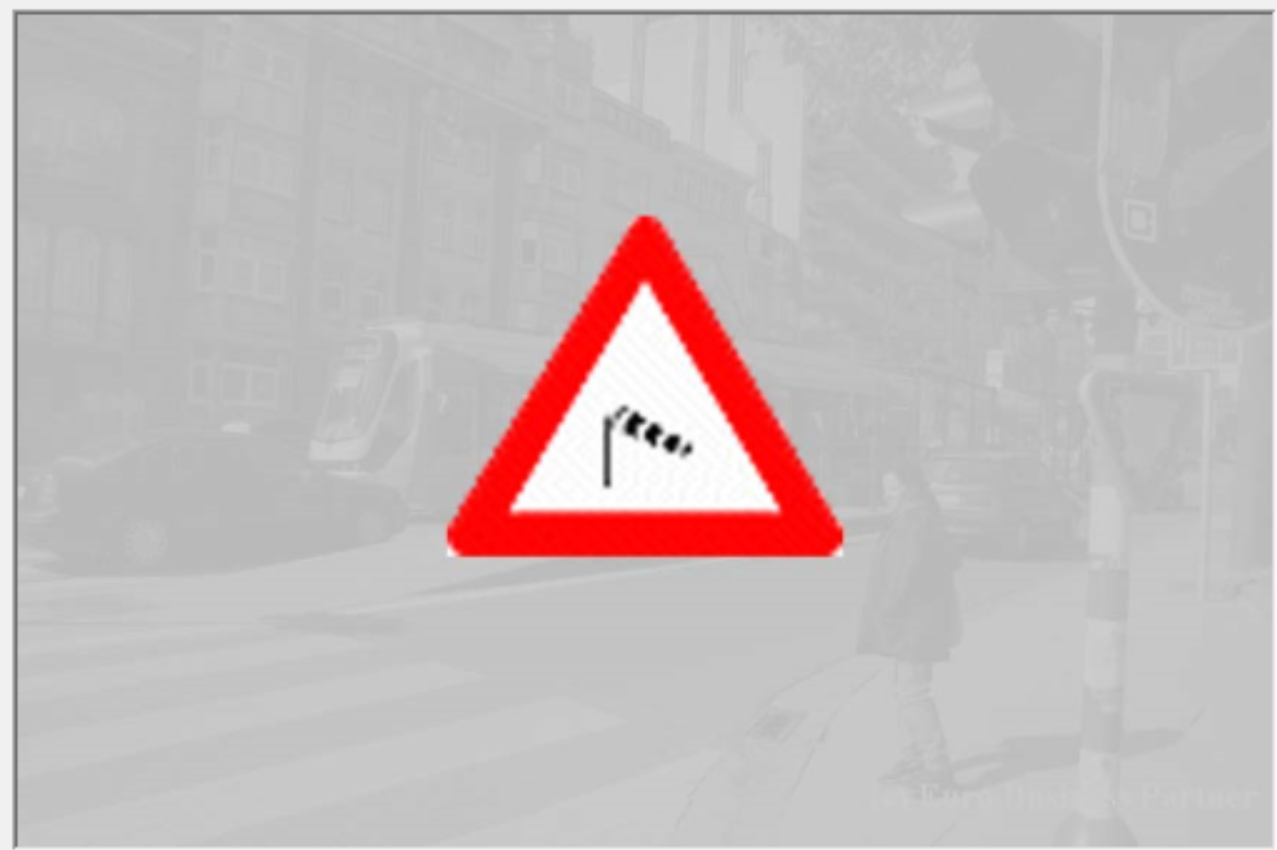
This road sign tells me
Explanation: This triangular sign with a windsock warns of dangerous crosswinds. It does not indicate the specific direction. Tip: Triangular signs always warn of danger. Remember that the windsock is a general signal and does not specify “right” or “left.”
At the Crossroads
Explanation: The round blue sign with a white arrow indicates a dedicated turning lane, but this does not mean it is mandatory. You can also go straight ahead. Tip: Look carefully at the directional signs and keep in mind that blue indicates a local requirement, but not necessarily for all users.
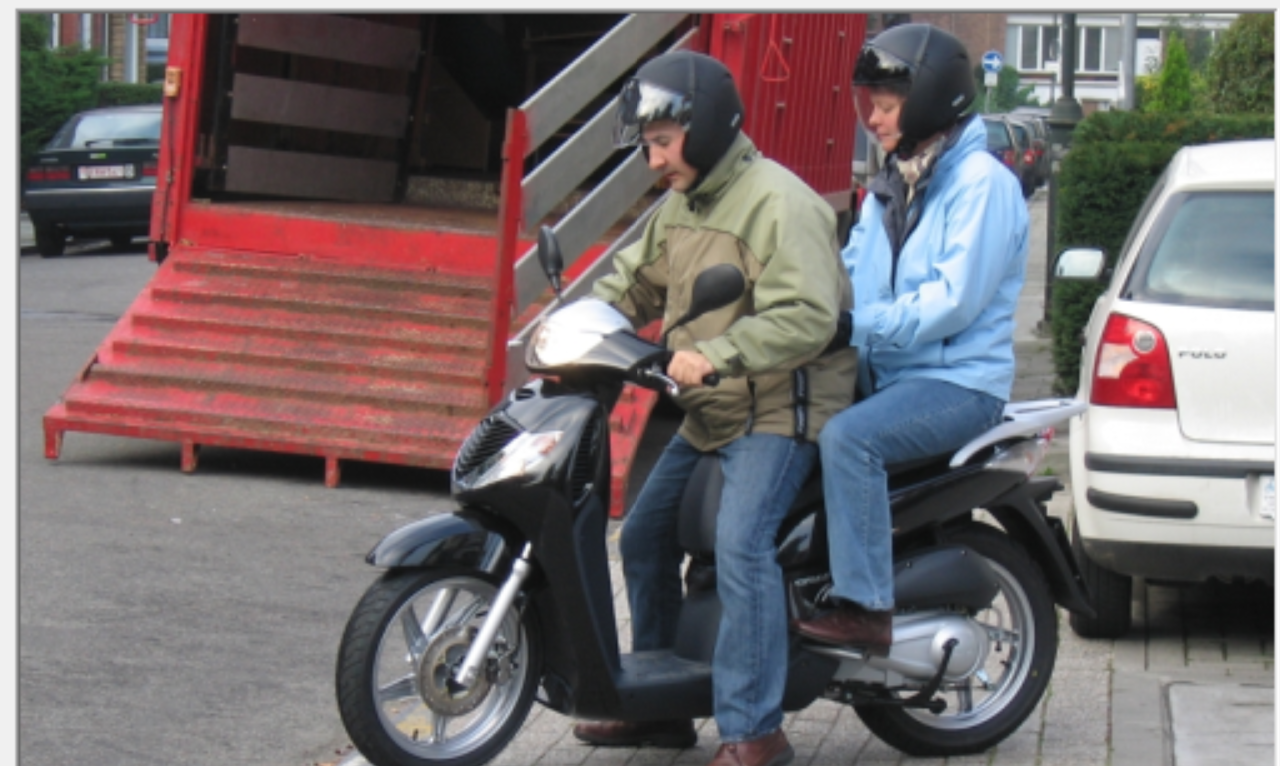
It is allowed to take a passenger
Explanation: Class A and B mopeds can carry a passenger if the driver is at least 18 years old and the vehicle is equipped with footrests and a seat for two people. Tip: Remember: Class A = max 25 km/h, Class B = max 45 km/h. In both cases, you can carry a passenger if the safety conditions are observed.
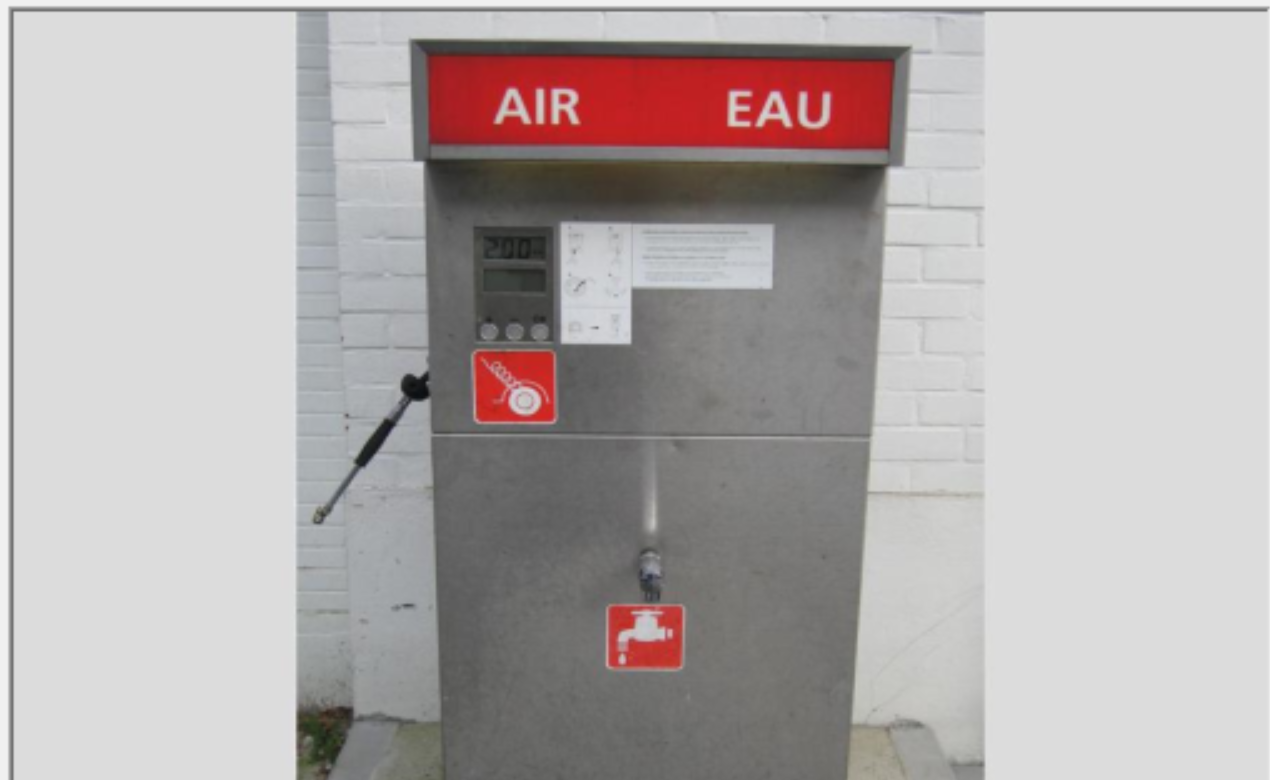
A tire must be inflated to
Explanation: An underinflated or overinflated tire affects handling and increases the risk of accidents. It should always be inflated to the manufacturer’s recommended pressure, which is 100% of its capacity. Tip: Check your tire pressure regularly, especially before a long trip. Gas stations often have pressure adjustment stations.
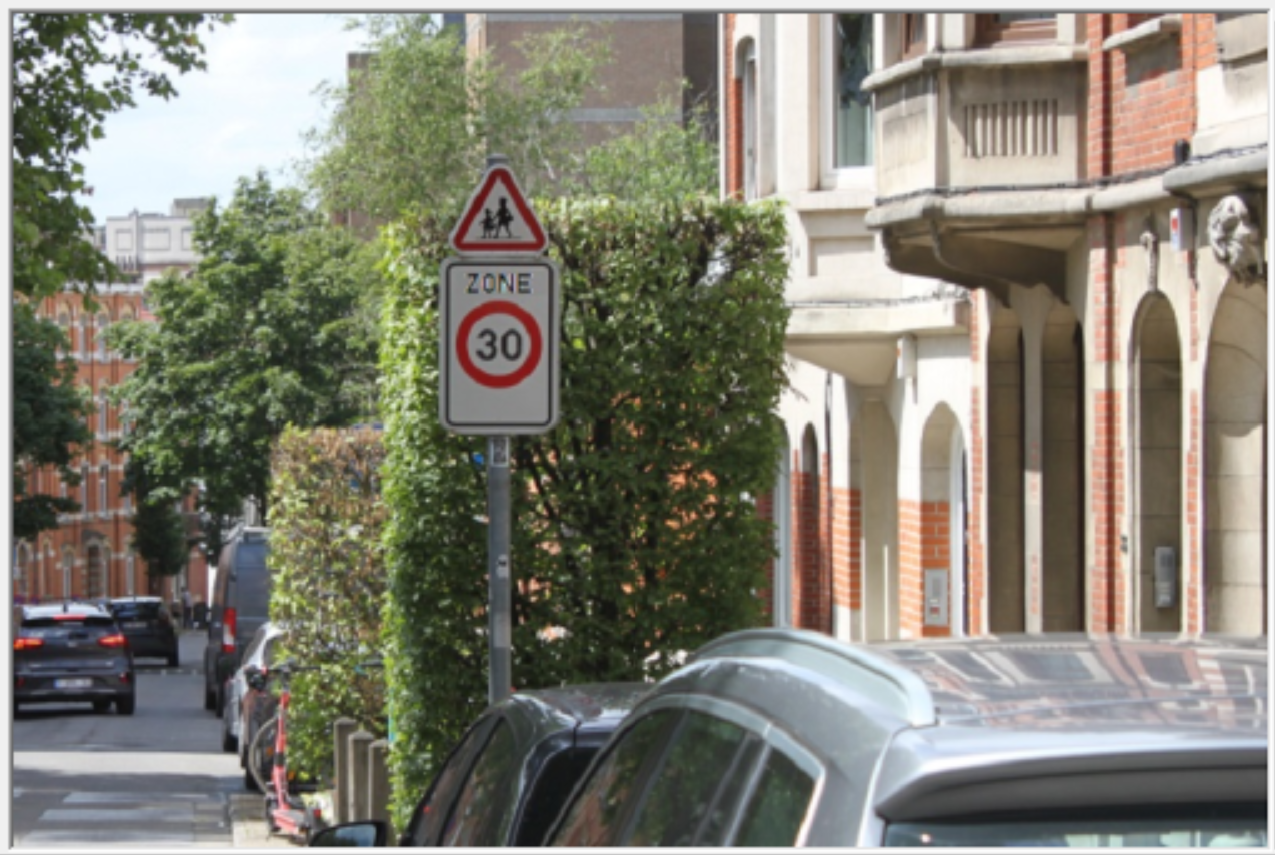
In this area, pedestrians are allowed to walk on the roadway
Explanation: This sign does not indicate a residential area, where pedestrians can use the roadway. Here, pedestrians must stay on the sidewalk unless there is one. Tip: Recognize a residential area by the specific sign showing a house, children, and a car.
I want to turn left. I must yield the right of way to the yellow vehicle.
Explanation: When turning left, you must yield to oncoming traffic, regardless of direction. Tip: Always remember this general rule: priority to the right and priority to the oncoming vehicle when turning left.
After the intersection, the use of the cycle path is
Explanation: You can use a cycle lane in built-up areas if it is present. It is not mandatory unless indicated by a round blue sign. Tip: Check the signs before using a cycle lane. A mandatory lane will be indicated by a round blue sign.
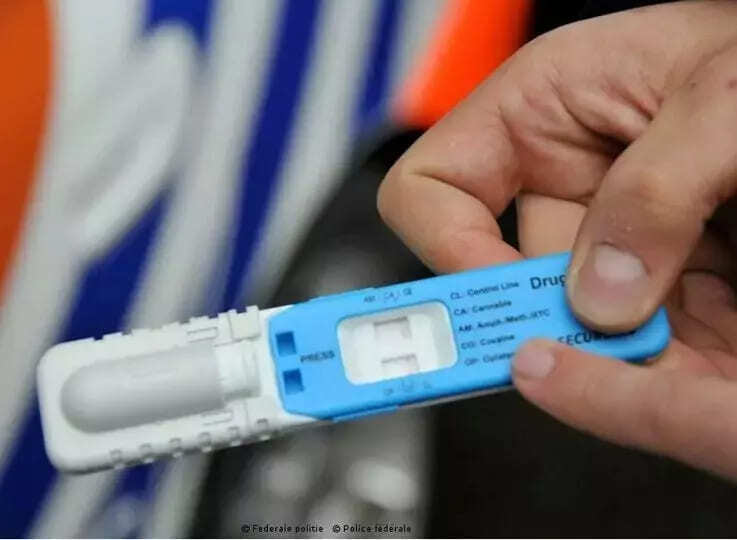
When the saliva test suggests the presence of a prohibited substance in the blood, the temporary driving ban is set at
Explanation: In the event of a positive saliva test (suspected drug use), the temporary ban is 12 hours. This period is longer than for a simple breathalyzer test. Tip: Saliva tests detect the presence of drugs for a longer period than alcohol. It is therefore best to avoid driving for several days after consumption.
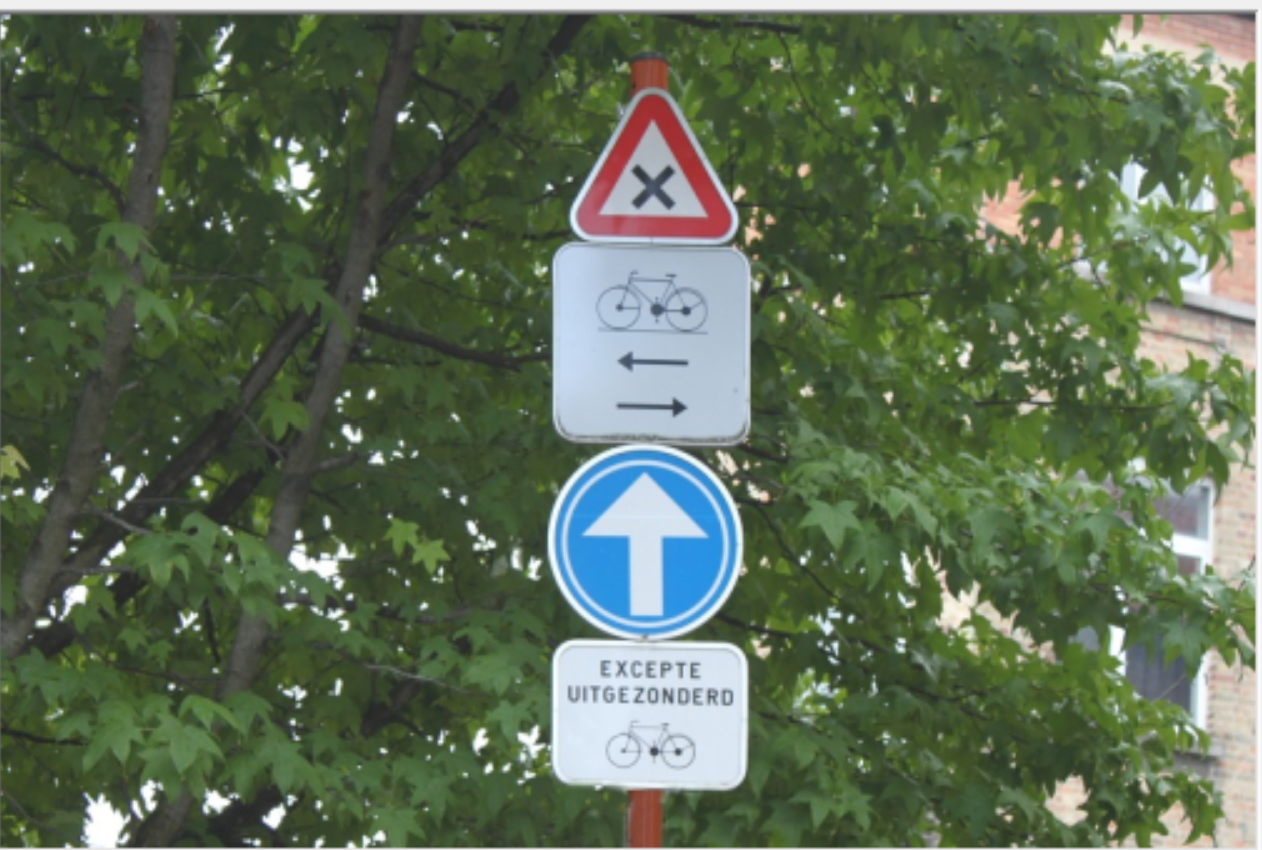
At this crossroads
Explanation: The triangular sign with a cross indicates the end of priority for all users. Cyclists, although mentioned on the secondary sign, are not constrained to a specific direction but must respect the right-of-way rule. Tip: The triangular sign with a cross indicates the end of priority. Observe the additional signs for more specific details.
This signal forces me to continue straight or to the left.
Explanation: This sign indicates the possibility of using the bus lane to turn right, respecting the priority rules. It is therefore not an obligation to continue straight or to the left. Tip: Pay close attention to the blue signs with arrows: they indicate the directions that are permitted but not necessarily mandatory.
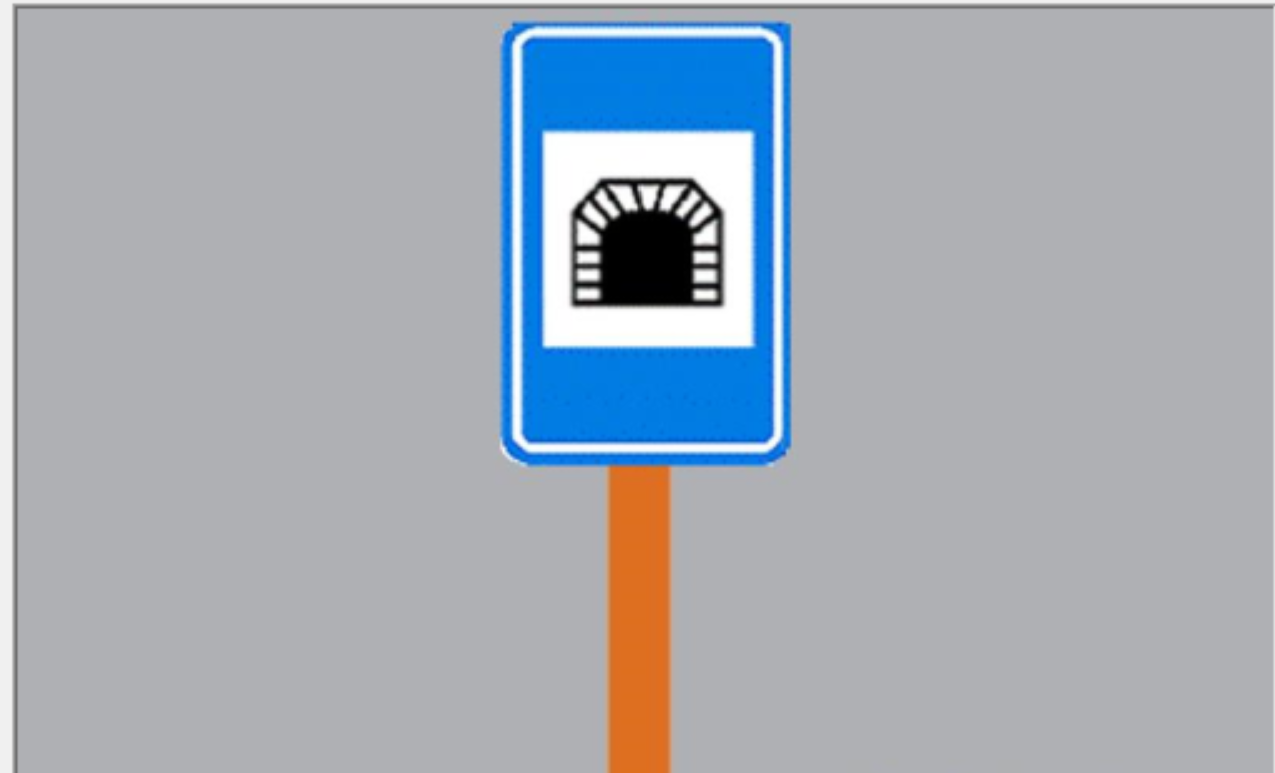
This signal tells me
Explanation: The blue sign with a black arch symbolizes the entrance to a tunnel, often followed by other signs regarding its length or the rules inside. Tip: A blue sign indicates positive information or obligation. Here, the tunnel is announced for specific instructions (such as turning on the lights).
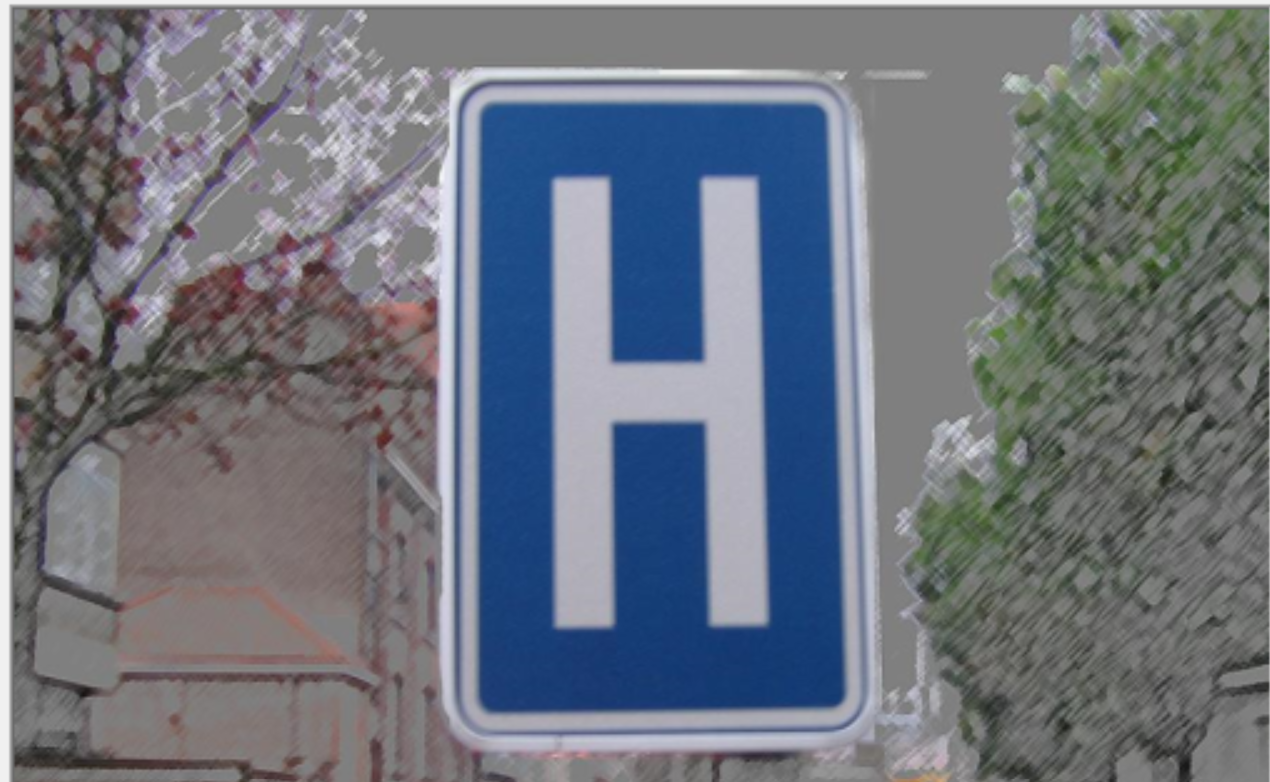
This road sign means
Explanation: The sign with the white letter “H” on a blue background indicates the presence of a nearby hospital or medical center. Tip: The white “H” on blue is universal for health services. In case of emergency, look for this sign to quickly locate a medical facility.
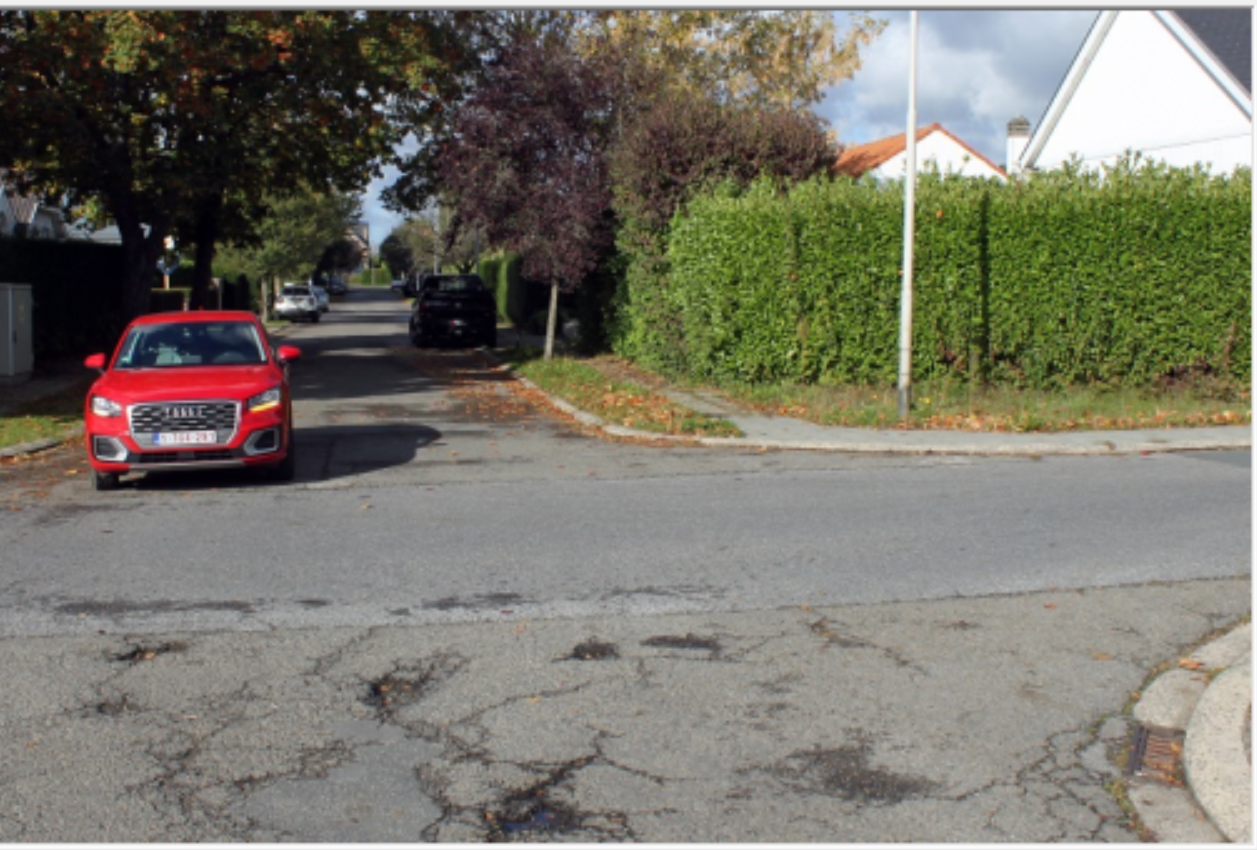
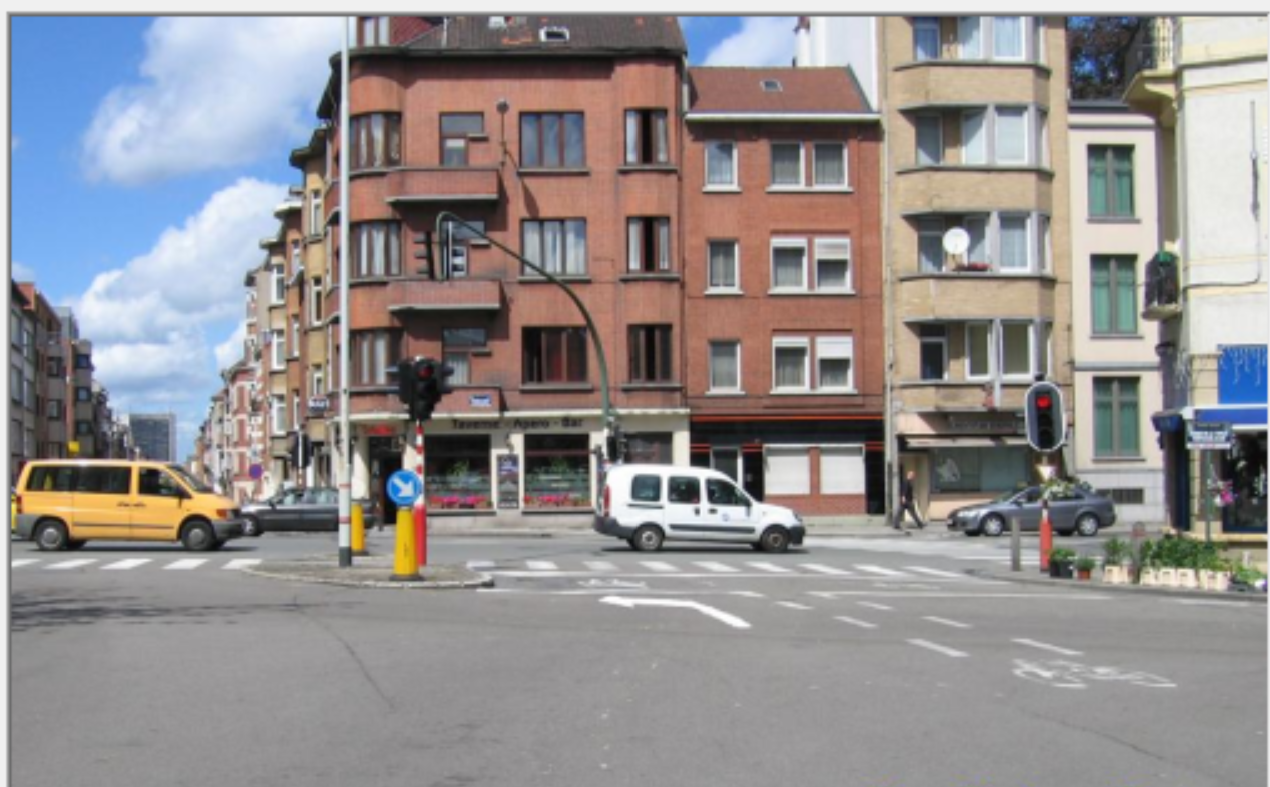
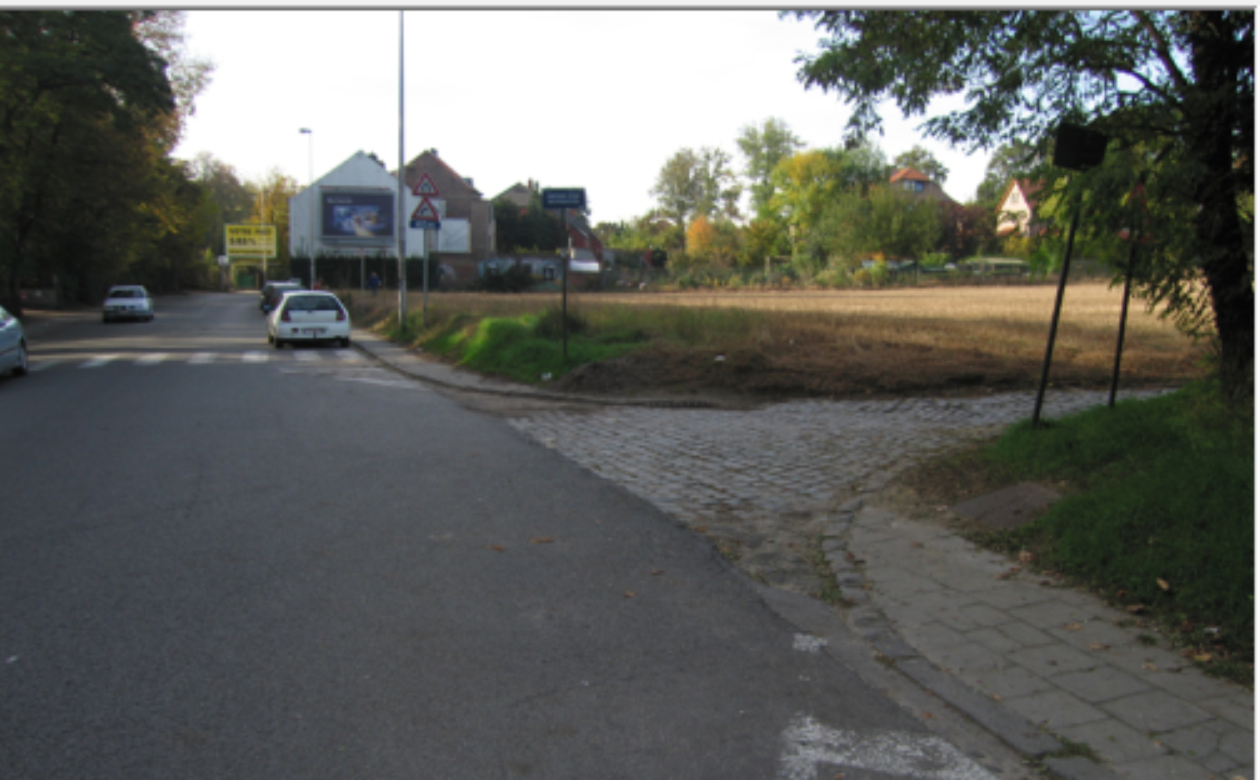
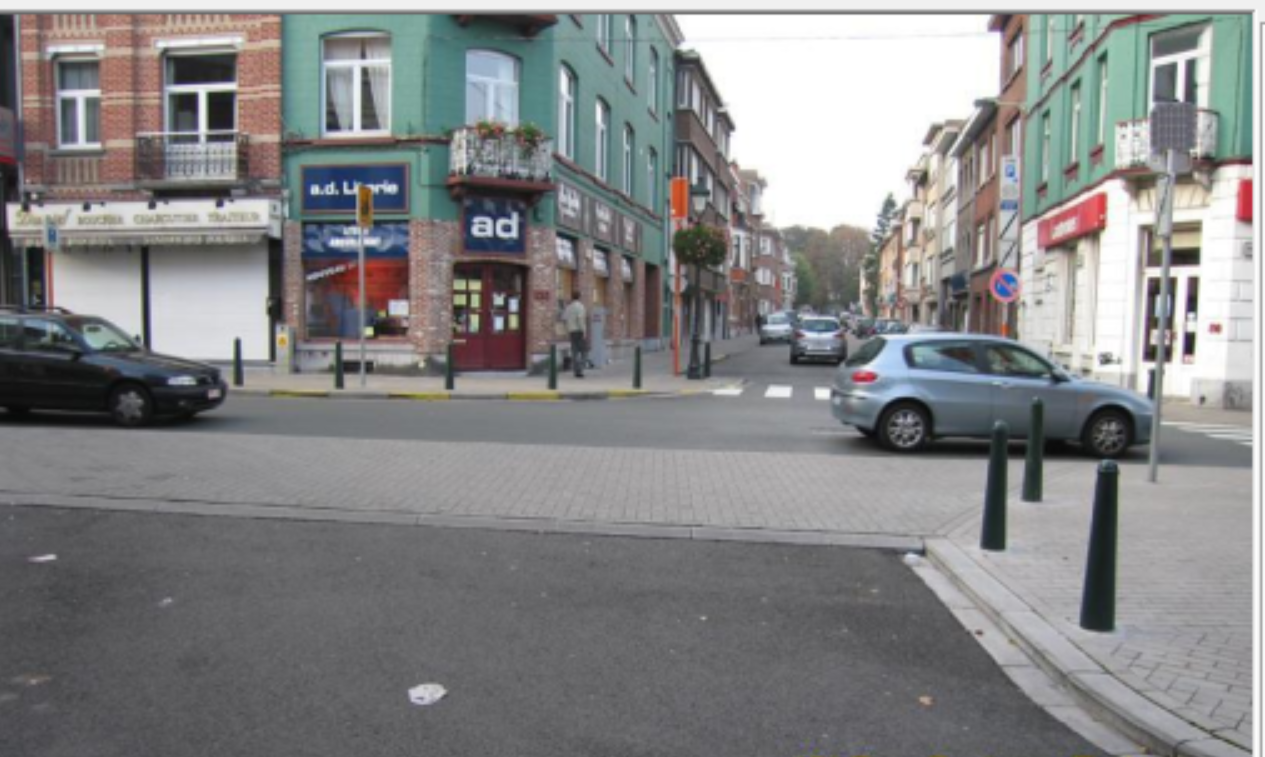
At this intersection, I have priority.
Explanation: This is not a dirt road but a normal intersection. In the absence of a sign, the right-of-way applies, so you must yield to the right. Tip: Always check the signs or route specifications at an intersection. A dirt road does not have priority, but a paved or tarred road may have specific rules.
When crossing this sidewalk, I must give way.
Explanation: A crossing sidewalk requires you to give way to pedestrians, but also to priority vehicles (those coming from the right in this case, because it is a right-of-way intersection). Tip: Always give way to pedestrians on a crossing sidewalk, whatever the situation, then apply the standard priority rules.
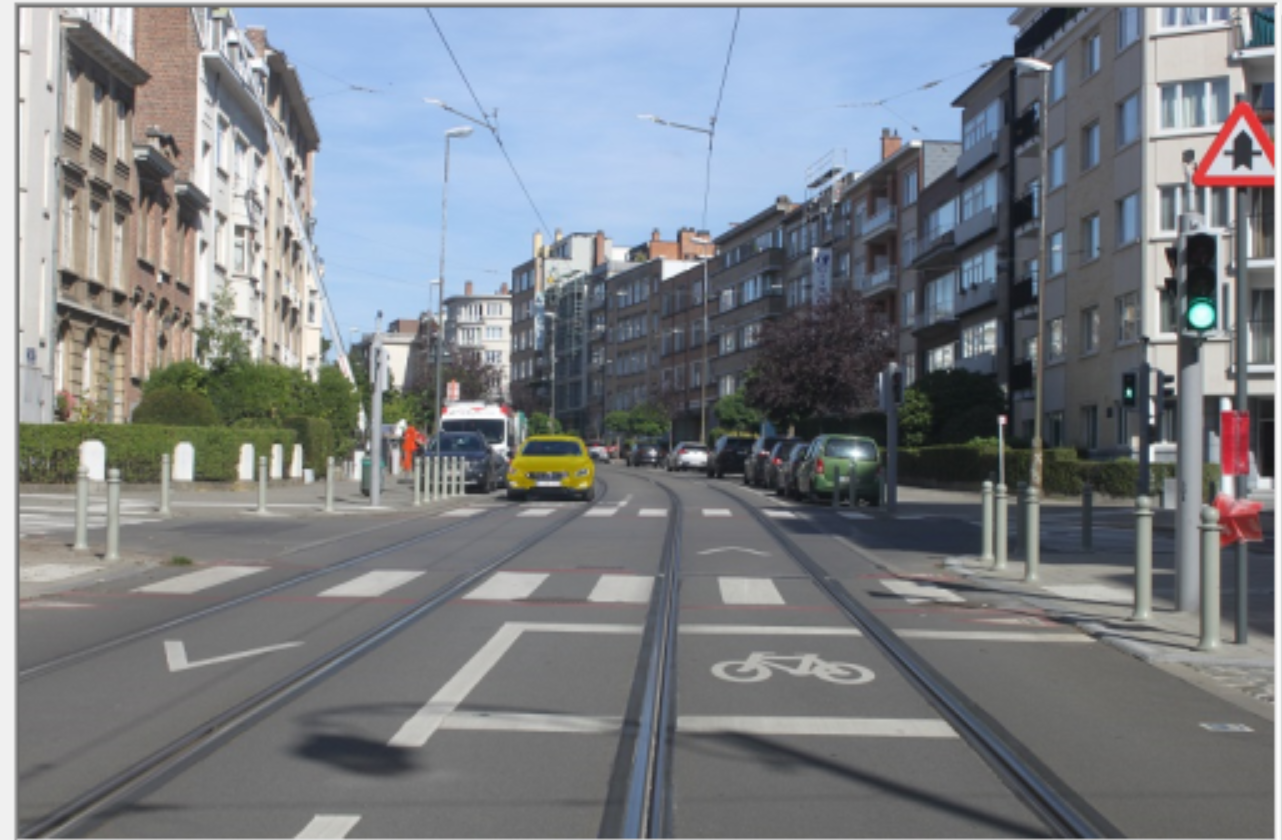
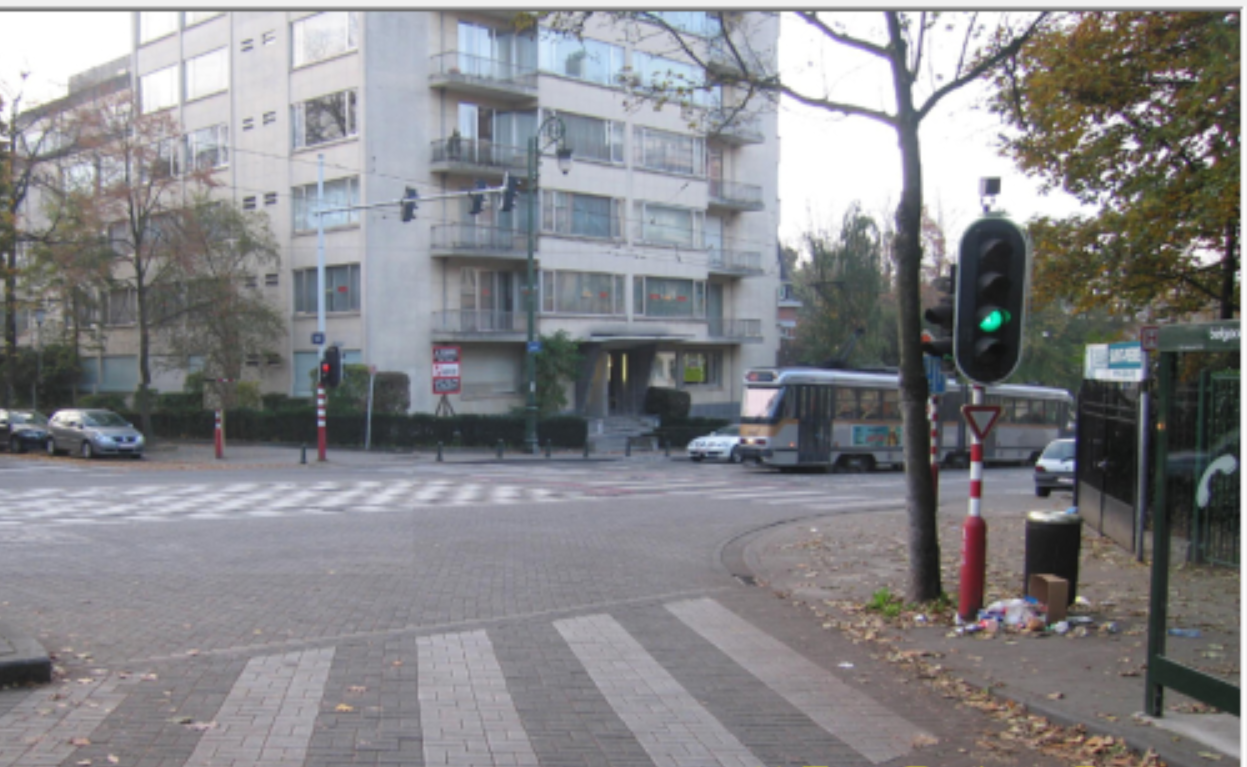
The light is green. I must yield to the tram.
Explanation: A green light gives you priority, even over a tram. However, check that the tram is not running under special conditions (specific signal or no traffic light for it). Tip: Trams generally have priority unless a traffic light gives you right of way. Pay attention to their trajectory to avoid any incidents.
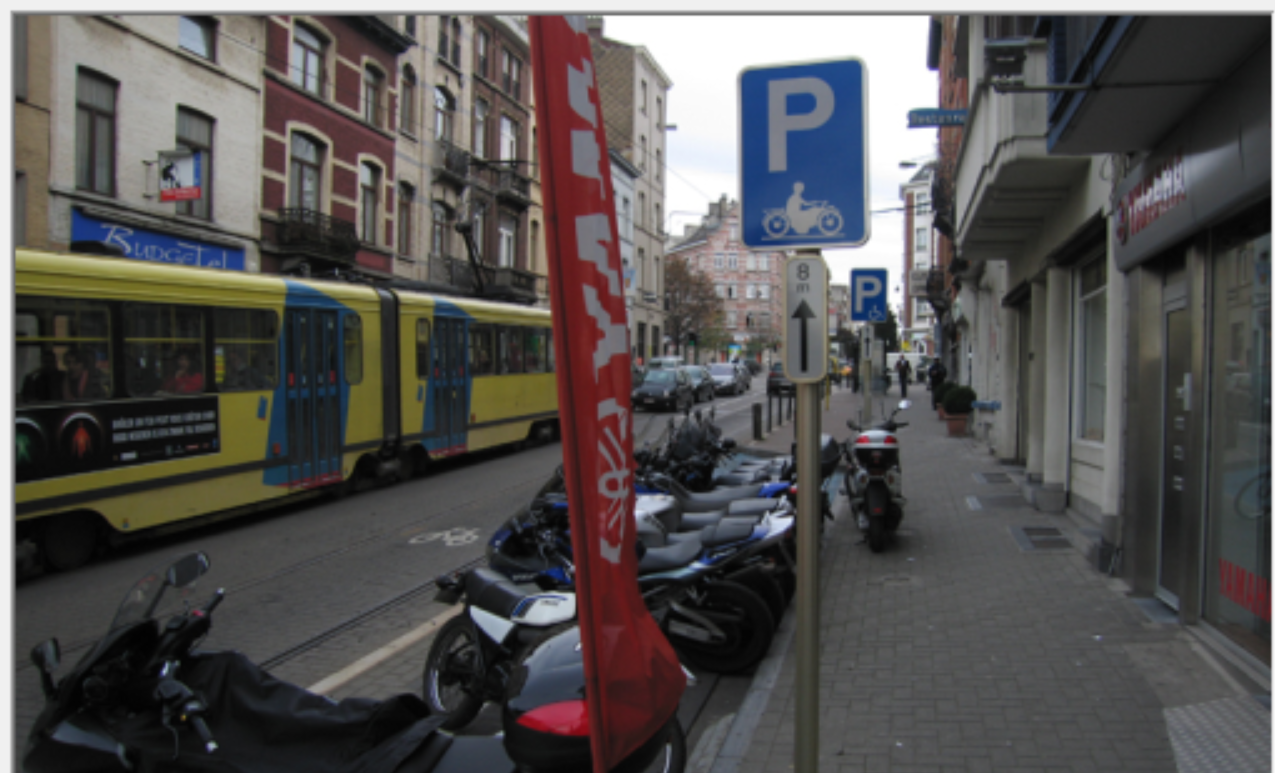
I can park my moped there.
Explanation: This sign indicates an area reserved for motorcycles (motorbikes), but not for mopeds or scooters. You cannot park your moped there. Tip: Signs with a motorcycle design are for motorcycles only. Look for a specific sign for mopeds or unregulated areas.
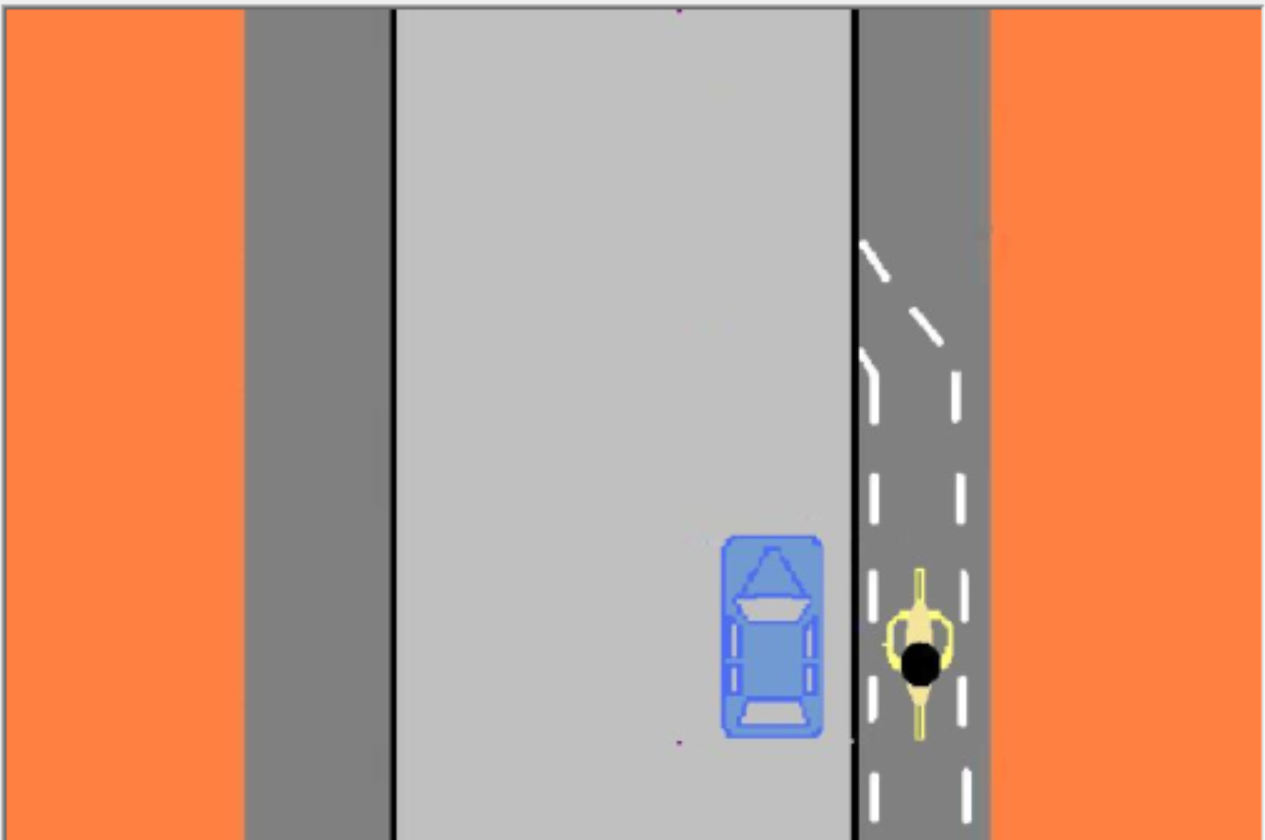
The moped has priority.
Explanation: The moped is on a cycle lane that continues straight ahead and ends on the road. In this case, it has priority over vehicles traveling on the road. Tip: If a cycle lane continues or clearly ends, other road users must give way. This applies to both mopeds and bicycles.
What does this road sign mean?
Explanation: This blue sign indicates a residential or meeting area, where pedestrians have priority and traffic is limited to 20 km/h. Children can play in the street. Tip: Recognize a residential area by the symbol of a child playing with a ball and a car. Obey the strict limits in these areas.